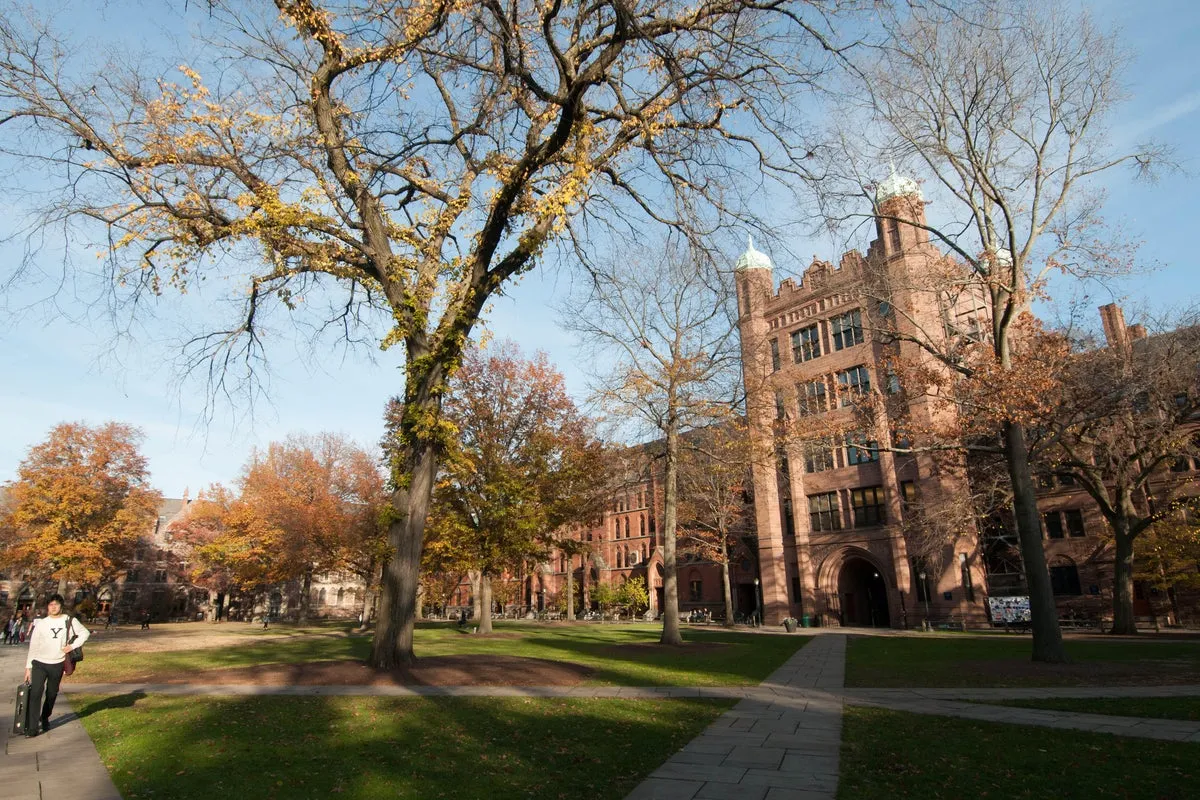
The U.S. Department of Justice has formally found that Yale University's medical school discriminated against applicants based on race in its admissions process, according to a report by The Independent. And yes, before you ask - this is absolutely the second time this month the DOJ has lobbed this particular grenade at a prestigious academic institution.
What the DOJ actually found
Federal investigators concluded that Yale's medical school used race as a factor in its admissions decisions in a way that ran afoul of federal anti-discrimination law. The finding comes in the wake of the Supreme Court's landmark 2023 ruling that effectively struck down race-conscious admissions programs at U.S. universities - a decision that many schools are apparently still struggling to fully digest, legally speaking.
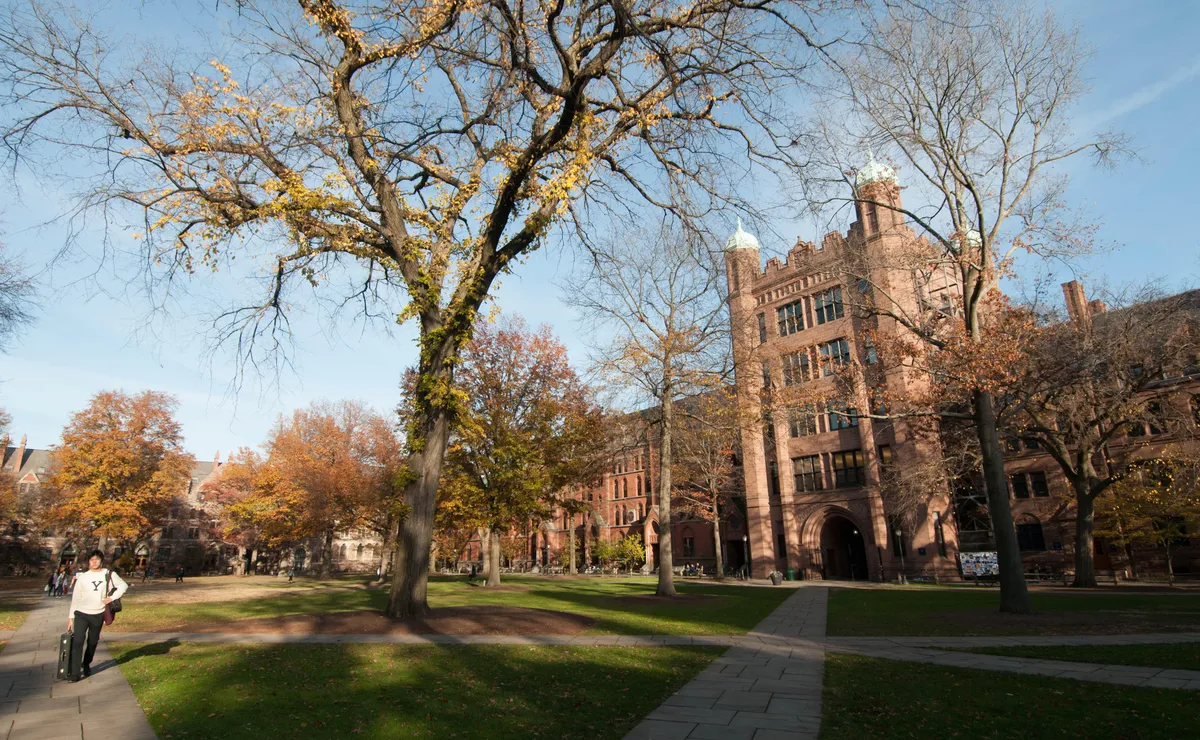
The DOJ has not been shy about flexing its enforcement muscles on this front lately. Yale becomes at least the second higher education institution to face such allegations from the agency within the same month, suggesting a broader pattern of federal scrutiny aimed squarely at elite universities.
Why this matters beyond the Ivy League bubble
Yale School of Medicine is one of the most competitive and prestigious medical programs in the country, and allegations of discriminatory admissions practices raise serious questions - not just legally, but ethically. If the admissions pipeline to top medical schools is being shaped by factors that courts have now deemed unconstitutional, the ripple effects touch everyone who eventually ends up in a hospital bed hoping their doctor got there on merit.
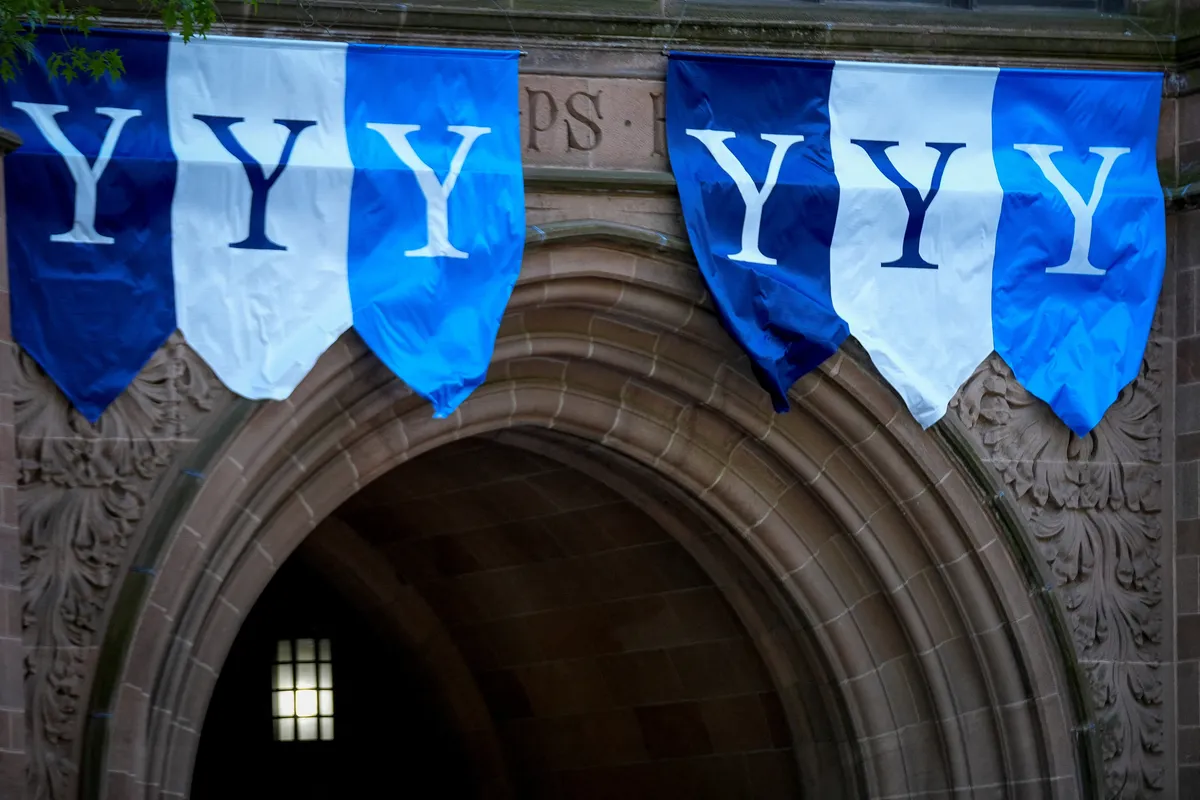
It is worth noting that these are findings and allegations at this stage, not convictions. Yale has not been found guilty in a court of law, and the university would almost certainly contest the DOJ's characterization of its admissions practices. The school has historically maintained that its diversity-related policies were designed to comply with applicable law.
The bigger picture
The DOJ's back-to-back actions this month signal that the post-Students for Fair Admissions v. Harvard landscape is being actively policed at the federal level - and that the grace period for universities to quietly adjust their practices may be officially over. Expect more of these findings as investigators work their way through the higher education sector with what appears to be considerable enthusiasm.
Whether Yale faces concrete penalties or is required to overhaul its admissions process remains to be seen, but one thing is clear: the era of assuming the feds would look the other way on race-conscious admissions is very much over.