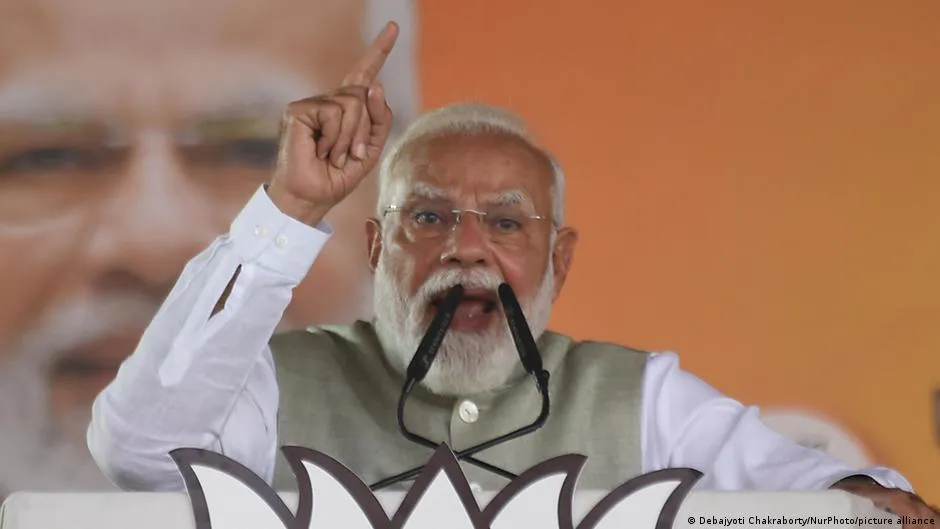
Indian Prime Minister Narendra Modi rolled into West Bengal this week with a megaphone full of jabs aimed squarely at the ruling Trinamool Congress party, better known as TMC, ahead of the second phase of the state's ongoing assembly polls. According to reporting by DW, the rally was classic Modi-brand electioneering - colourful, combative, and very much designed to chip away at Chief Minister Mamata Banerjee's political fortress in one of India's most fiercely contested states.
Bengal: where elections are basically a contact sport
West Bengal has a long and storied tradition of making Indian politics look like a telenovela, and this election cycle is no different. Modi's targeted attacks on TMC signal that the BJP is not treating Bengal as a lost cause - far from it. The party has been investing heavily in the state, viewing it as a key prize in its broader national strategy. TMC, for its part, has governed Bengal since 2011 and is not exactly rolling over quietly.
The second phase of polling represents a critical juncture, with both parties pulling out their biggest rhetorical weapons. DW's coverage notes that Modi's rally appearances were calculated to energise BJP supporters in constituencies that could swing either way.
Meanwhile, in Manipur - fresh clashes, again
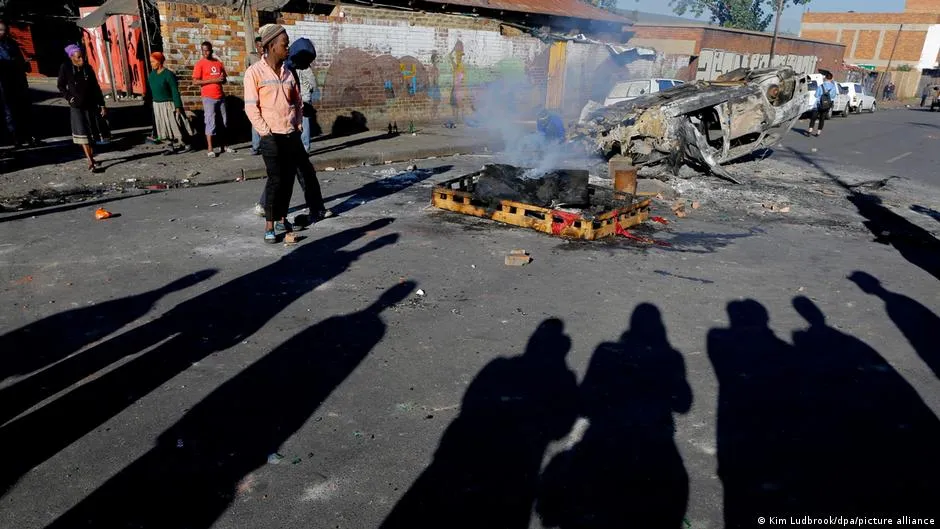
Tucked into the same news cycle, and deserving far more attention than it tends to get, is the situation in Manipur. DW reports that fresh clashes have erupted in the northeastern state, which has been gripped by ethnic violence and unrest for well over a year now. The conflict, primarily between the Meitei and Kuki-Zo communities, has already displaced tens of thousands of people and claimed hundreds of lives since violence first broke out in May 2023.
The renewed clashes are a grim reminder that while the political class debates electoral strategy in Bengal, a genuine humanitarian crisis continues to unfold in Manipur with frustratingly little resolution in sight.
Two stories, one uncomfortable contrast
There is something almost uncomfortably on-the-nose about these two stories running side by side. On one hand, the well-oiled machinery of Indian electoral politics grinding away in Bengal. On the other, a conflict zone in the same country that has been bleeding for over a year. It is the kind of juxtaposition that political analysts will note carefully and most news cycles will bury under the next big headline.
Both situations are developing, according to DW, and will bear close watching as the Bengal polls progress and as pressure mounts on the central government to show measurable progress on Manipur.