There is a particular political art form that South African authorities have quietly mastered: condemning xenophobic violence loudly, swiftly, and with great moral conviction - right after it has already happened. Prevention, apparently, is a different department.
According to a report by DW, South Africa's government faces growing criticism over its handling of xenophobic violence in the country. While official condemnations tend to arrive promptly whenever attacks on foreign nationals erupt, critics argue that the mechanisms to actually stop those attacks from happening in the first place remain dangerously underdeveloped.
The pattern everyone sees coming
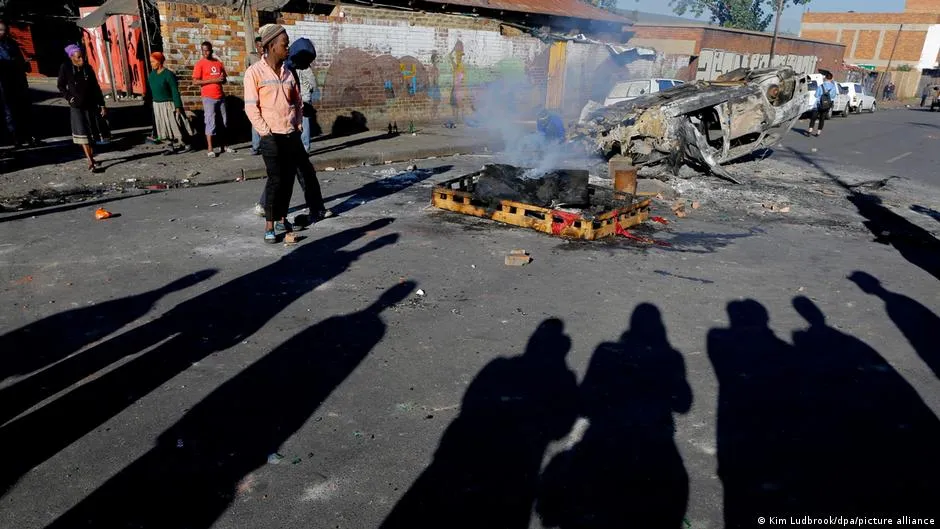
The criticism follows a depressingly familiar cycle. Violence breaks out, often targeting migrants and foreign-owned businesses. Officials issue statements expressing shock and outrage. A handful of arrests may follow. Then things quiet down - until the next time.
According to DW's reporting, arrests linked to xenophobic incidents remain limited, and accountability for perpetrators is inconsistent at best. For migrant communities living in townships and informal settlements, the message this sends is hard to misread.
When the rhetoric doesn't help
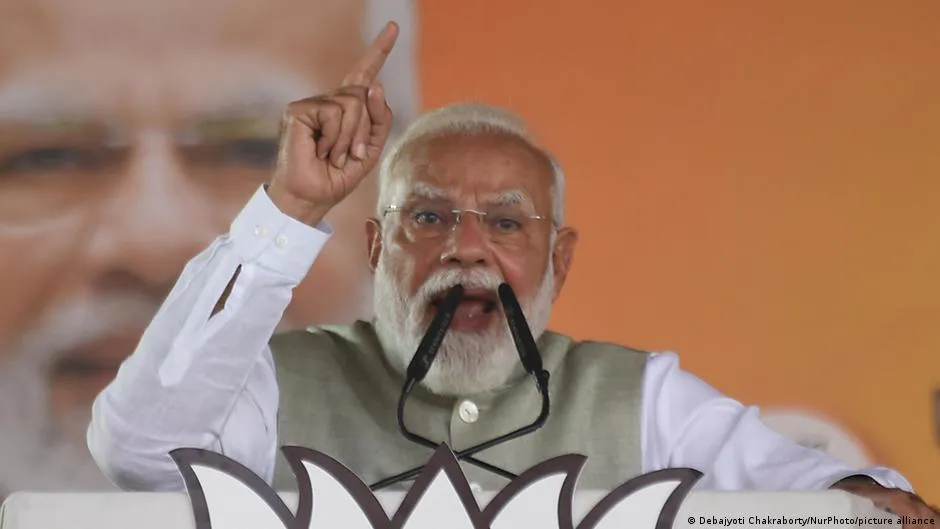
Perhaps the sharpest part of the critique is the accusation that political figures sometimes make things worse rather than better. Critics cited in the DW report argue that certain political rhetoric - whether intentionally or through negligence - can stoke tensions around immigration rather than defuse them.
South Africa has long struggled with high unemployment and economic inequality, and migrants are frequently scapegoated for both. When politicians lean into that narrative, even subtly, the social temperature tends to rise accordingly.
What's actually missing
Beyond arrests and statements, observers are pointing to a structural gap: early warning systems, community-level de-escalation programs, and consistent law enforcement presence in areas known to be flashpoints are all reportedly inadequate. Condemning violence after the fact is easy. Building the systems to interrupt it before people get hurt is much harder - and apparently much less of a priority.
South Africa hosts one of the largest migrant populations on the continent, drawing people from Zimbabwe, Mozambique, Ethiopia, Nigeria, and beyond. That demographic reality is not going away, which makes the gap between rhetoric and response all the more urgent, and all the more glaring.
The DW report stops short of calling the government's approach cynical, but the math is not flattering: more condemnations, fewer convictions, and a pattern that keeps repeating itself suggests that somewhere between the press release and the policy, something important is getting lost.