If you thought the last few summers were uncomfortably warm, buckle up - because according to a new report backed by the United Nations, Earth is apparently just getting started.
Meteorologists are now predicting a high probability that global average temperatures will hit record-breaking levels somewhere between 2026 and 2030, according to reporting by Deutsche Welle citing the UN-affiliated climate assessment. In other words, the planet is not in a cool-down arc right now. It is very much in the opposite arc.
What the report actually says
The forecast doesn't just wave vaguely at the future - it points to a high likelihood that the next five-year window will produce the hottest period ever recorded in human history. This tracks with a broader trend: the last decade has already been the warmest on record, and scientists have been watching global average temperatures creep closer and closer to the critical 1.5 degrees Celsius threshold above pre-industrial levels that the Paris Agreement tried very hard to avoid.
To be clear, this is a probabilistic forecast - meteorologists are talking about likelihoods, not certainties. But given that climate scientists have a pretty solid track record of being right about the bad stuff (and then watching us ignore them), the numbers are not exactly comforting.
Why 2026-2030 specifically?
The combination of long-term human-caused warming and natural climate variability - including El Nino cycles - creates conditions where record-shattering temperatures become increasingly likely in the near term. Think of it as a perfect storm, except the storm is the entire planet's weather system and it's running hot.
So what does this mean for regular humans?
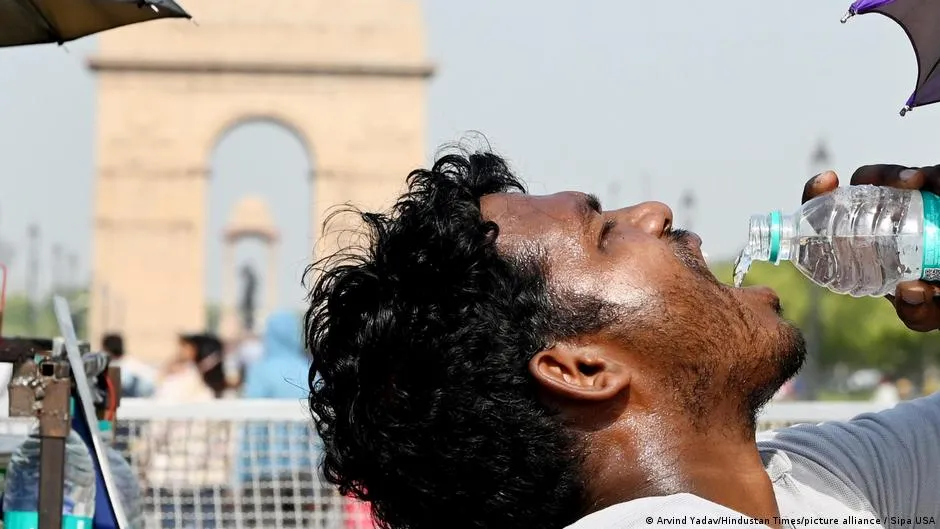
More extreme heat events, more pressure on agriculture and water supplies, more insurance companies quietly having existential crises. The downstream effects of record global temperatures are not abstract - they show up as deadly heatwaves, intensified hurricanes, and ecosystems struggling to keep pace with change that is happening faster than at almost any point in geological history.
The UN report, as covered by DW, is part of ongoing efforts to give governments and policymakers clearer near-term projections - because apparently telling people the planet is warming over the next century wasn't quite alarming enough to spur action. Maybe a five-year countdown will do the trick.
Spoiler: history suggests it probably won't. But hey, at least we're informed.