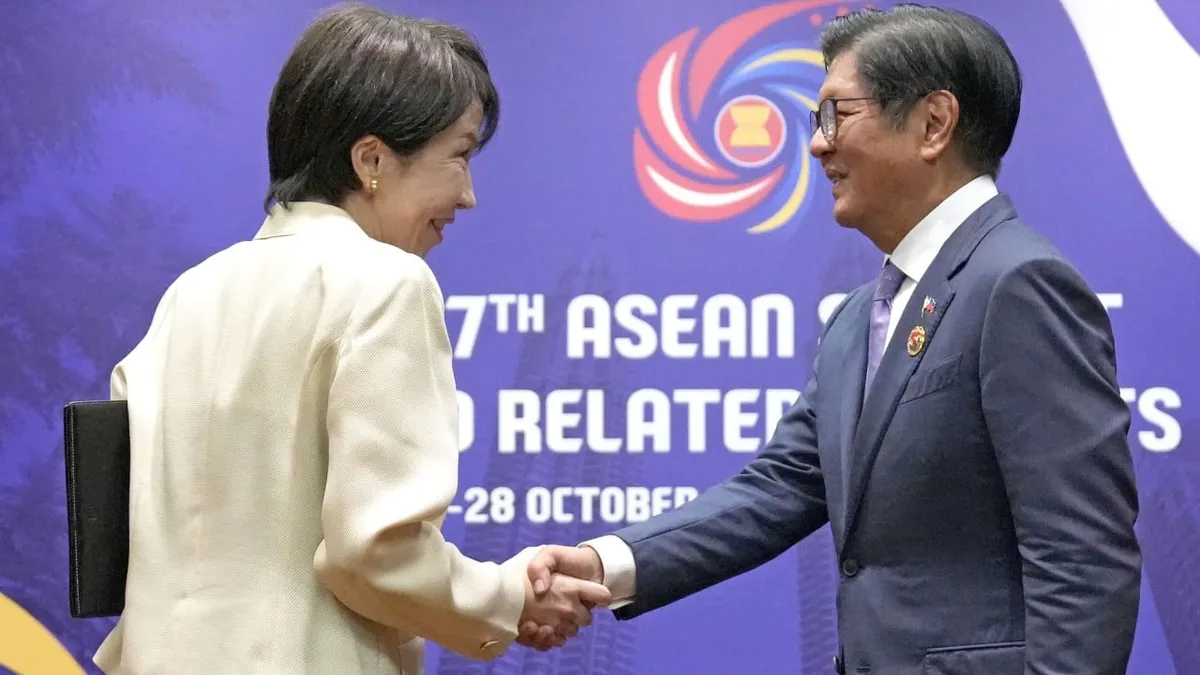
Philippine President Ferdinand Marcos Jr. has touched down in Japan for a four-day state visit - the first by a Filipino leader in more than ten years - and spoiler alert: the agenda is less "cherry blossoms and ramen" and more "so about that giant neighbor that keeps bumping into our boats."
What's actually on the table
According to analysts cited by the South China Morning Post, Marcos is expected to push hard for deeper defence ties and broader bilateral cooperation with Tokyo. The visit comes as China's maritime assertiveness in the South China Sea continues to escalate, and Manila appears increasingly eager to line up heavyweight friends in the region.
On the diplomatic schedule is a sit-down with Japanese Prime Minister Sanae Takaichi, where security cooperation, economic partnerships, and the general vibe of "we should really stick together on this" are all expected to feature prominently.
The bigger geopolitical picture
This isn't just a friendly neighbourly trip. Analysts frame it as part of Manila's broader strategy to build a counterweight to Beijing's growing influence and territorial claims in the South China Sea - a body of water the Philippines has a legitimate and internationally recognised claim to, per a 2016 arbitration ruling that China famously decided to use as a coaster.
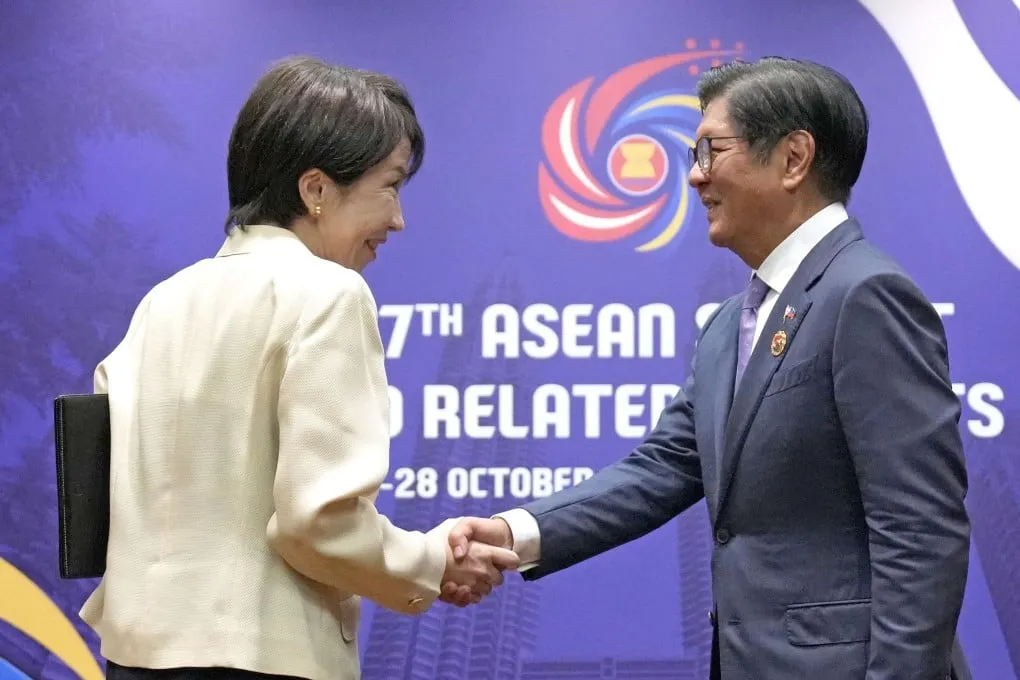
Japan, for its own reasons, is very much on the same page. Tokyo has been ramping up its own defence posture and regional security partnerships in recent years, making this a case of two countries with a shared headache finding mutual relief.
Why this visit matters
A state visit gap of over a decade is not nothing. It signals either diplomatic neglect or a deliberate reset - and given the timing, this looks a lot like the latter. The Philippines under Marcos Jr. has been notably more assertive in pushing back against Chinese activities near its territorial waters, including well-documented confrontations near the Spratly Islands.
Strengthening the Manila-Tokyo axis fits neatly into a pattern of smaller regional powers coordinating quietly - and sometimes not so quietly - to manage the elephant, or rather the dragon, in the room.
Whether this visit produces concrete defence agreements or remains at the level of warm handshakes and carefully worded joint statements remains to be seen. But one thing is clear: Marcos didn't fly all the way to Tokyo just for the sushi.