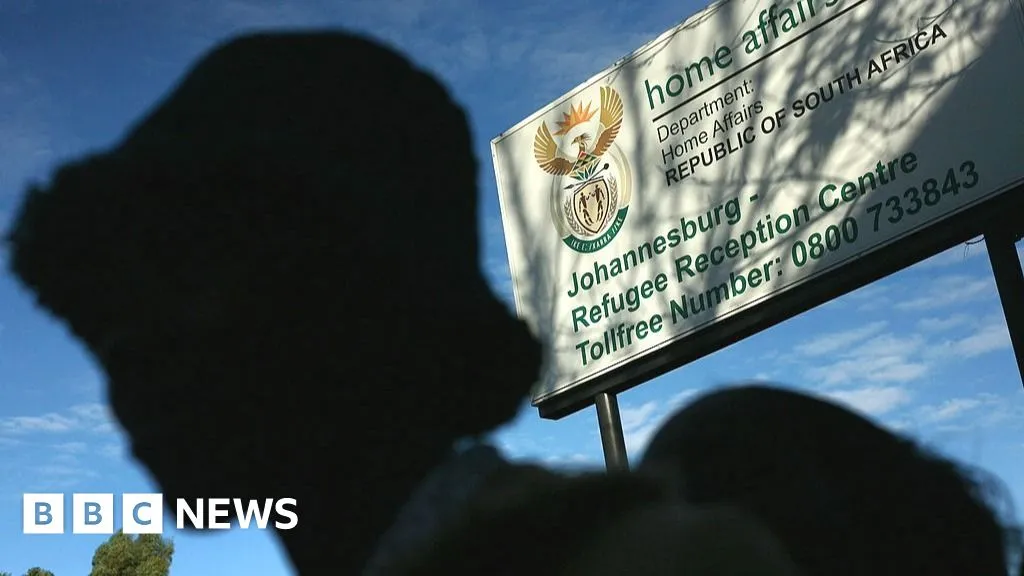
South Africa's Constitutional Court has dropped a legal bombshell on what officials describe as a well-worn loophole in the country's refugee system - ruling that repeat asylum applications are unconstitutional. And if you thought Home Affairs Minister Leon Schreiber was going to be subtle about his feelings on the matter, think again.
According to BBC reporting, Schreiber publicly celebrated the ruling as a resounding "victory" against the "abuse" of the refugee system - which, in government-speak, translates roughly to: we've been watching you submit the same application five times and we are done with it.

What exactly did the court decide?
The Constitutional Court - South Africa's highest authority on matters of law - ruled that provisions allowing applicants to repeatedly re-file for asylum status are inconsistent with the Constitution. In plain terms, if your claim has been properly heard and rejected, you cannot simply dust it off, re-submit it, and restart the clock. The ruling effectively shuts down what critics have long called a deliberate delay tactic used to extend legal stay in the country while applications wind endlessly through the system.
Why does this matter beyond South Africa?
South Africa is one of the most significant destination countries for migrants and asylum seekers on the African continent, attracting people fleeing instability from Zimbabwe, the Democratic Republic of Congo, Ethiopia, and beyond. The asylum system has faced enormous pressure for years, with the Department of Home Affairs consistently citing backlogs and what it calls bad-faith applications as core problems undermining legitimate refugee protection.

Human rights organizations have, in the past, argued that procedural barriers can inadvertently trap genuine refugees in bureaucratic limbo - so the full implications of this ruling for vulnerable applicants will likely be scrutinized closely by civil society groups in the weeks ahead.
The minister's victory lap
Minister Schreiber did not hold back. Framing the decision as a win against systemic abuse, he signaled that the government views this as part of a broader effort to reform and tighten South Africa's immigration and asylum frameworks. Whether that reform energy extends to also addressing the notoriously slow processing times for legitimate claims remains, diplomatically speaking, a question worth asking.

For now, the Constitutional Court has spoken - and somewhere in Pretoria, a home affairs minister is doing a very restrained but deeply satisfied happy dance.
Source: BBC News