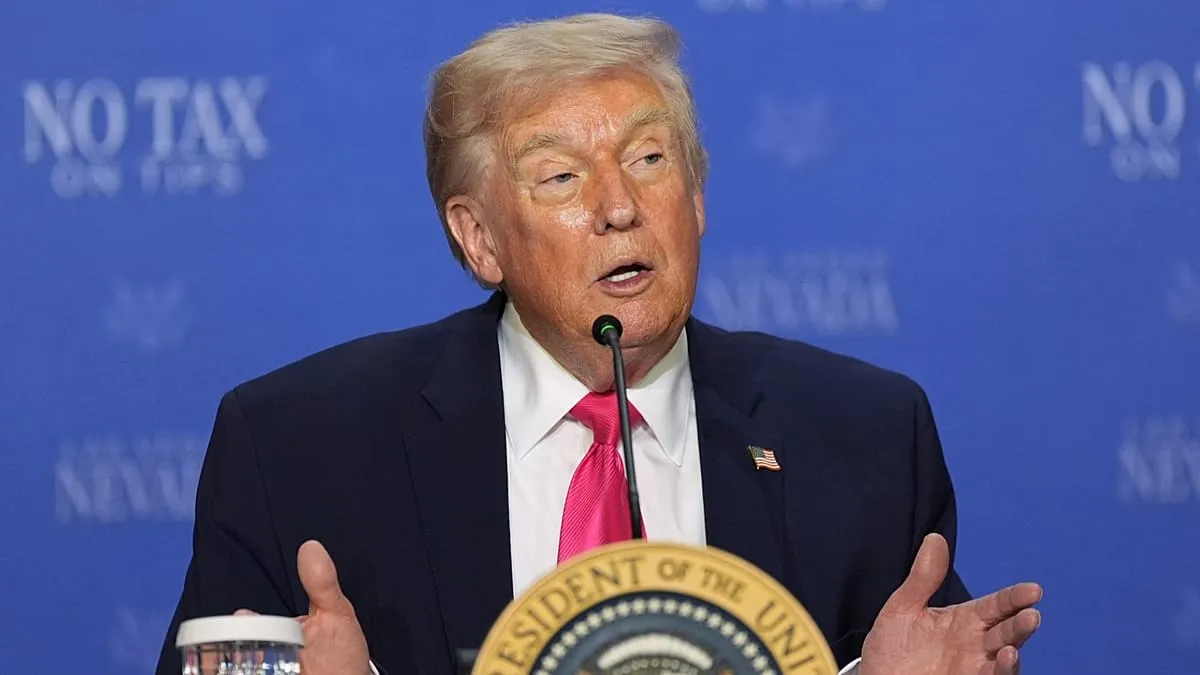
Donald Trump has renewed his criticism of renewable energy policy, this time targeting the United Kingdom and calling the country "crazy" for not expanding oil drilling in the North Sea. The remarks have reignited domestic debate in Britain over energy strategy, according to Euronews.
Trump's comments come as part of a broader pattern of advocacy for fossil fuel production and skepticism toward clean energy investment. His targeting of the UK's approach to North Sea development has given fresh ammunition to those in Britain who argue the country should extract more domestic oil and gas.
What the research says
However, energy analysts and researchers have pushed back on the premise that increased North Sea drilling would meaningfully reduce household energy bills. Studies indicate that oil and gas extracted from the North Sea is sold on international commodity markets, meaning the price paid by British consumers is determined by global supply and demand dynamics rather than domestic production volumes.
This market structure means that even a significant increase in North Sea output would be unlikely to insulate UK consumers from price volatility driven by geopolitical events, OPEC decisions, or global demand shifts.

The UK's current energy direction
The UK government has faced pressure from multiple directions on energy policy. On one side, critics argue that restricting new North Sea licenses undermines energy security and costs jobs in the sector. On the other, climate advocates warn that expanding fossil fuel extraction conflicts with the country's legally binding net-zero emissions targets.
The debate is not purely theoretical. British households have faced significant energy price increases in recent years, largely as a result of the gas price shock that followed Russia's full-scale invasion of Ukraine in 2022. That episode intensified arguments about whether greater domestic production could provide a buffer against such disruptions.

Proponents of expanded drilling argue that even if prices are set globally, domestic production reduces dependence on imports and supports energy security. Critics counter that investment in renewable energy and storage infrastructure offers a more durable long-term solution to price instability.
Political dimensions
Trump's intervention adds an international political dimension to what has largely been a domestic UK policy argument. His comments align with those of some Conservative politicians and industry groups in Britain who have called for a more permissive approach to North Sea licensing.
The UK's current Labour government has taken a more restrictive stance on new oil and gas licenses while prioritizing clean energy development, a position Trump has previously criticized.
The core economic question - whether drilling more oil domestically translates to lower consumer energy prices - remains disputed, with the weight of available research suggesting the relationship is not straightforward, according to Euronews reporting on the subject.