European leaders gathered in Cyprus this week for what can generously be described as a high-stakes diplomatic summit, and what cynics might call a very sunny meeting where everyone agrees that instability is, in fact, bad. According to France 24, the gathering produced pledges to intensify efforts toward resolving conflicts in the Middle East, as tensions over Iran continue to simmer.
America is not impressed
The United States has been increasingly vocal in its frustration with Europe, criticizing EU member states for what Washington sees as insufficient support in countering Iran. The EU, for its part, has largely remained on the sidelines of the most muscular diplomatic and economic pressure campaigns - a posture that has not gone unnoticed across the Atlantic. Think of it as a geopolitical group project where one partner keeps saying they'll do their part... eventually.
Macron drops some economic wisdom
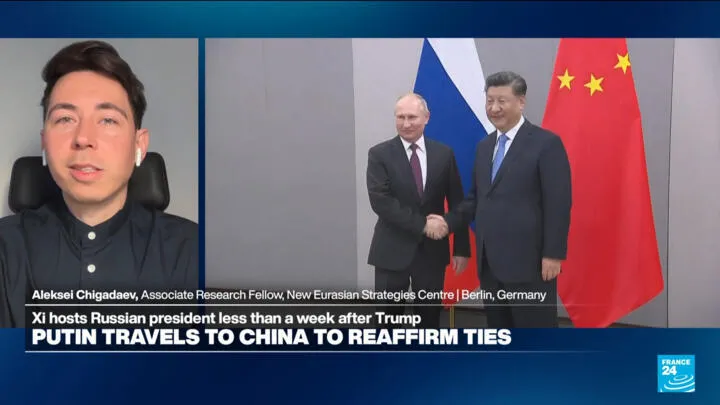
French President Emmanuel Macron took the opportunity to stress that restoring regional stability quickly is in everyone's interest - and crucially, key to reassuring global economies. This is classic Macron: finding the intersection between grand diplomacy and the kind of argument that makes finance ministers nod along nervously. Instability is bad for markets. Markets are bad when they are nervous. Therefore, peace. The logic is airtight.
A crowded guest list
The Cyprus summit was not a purely European affair. Talks with regional partners from Egypt, Lebanon, and Syria were also on the agenda, signaling that European leaders are at least trying to position themselves as credible intermediaries rather than passive observers with nice suits. Whether those partners see it the same way remains to be seen.
What does 'step up efforts' actually mean?
That, dear reader, is the question no one in Cyprus has fully answered yet. The phrase 'pledge to step up efforts' has a long and storied career in diplomatic communiques, often appearing just before nothing particularly dramatic happens. To be fair, the summit is ongoing and concrete proposals may still emerge. But for now, Europe's position appears to be: we are here, we care, and we would very much like everyone to calm down.
The Cyprus talks come at a genuinely tense moment in the region, with Iran-related dynamics rippling through multiple conflict zones simultaneously. Whether European diplomacy can find traction where it has historically struggled to punch above its weight remains the defining question - one that Washington, Cairo, Beirut, and Damascus are all watching with varying degrees of patience.