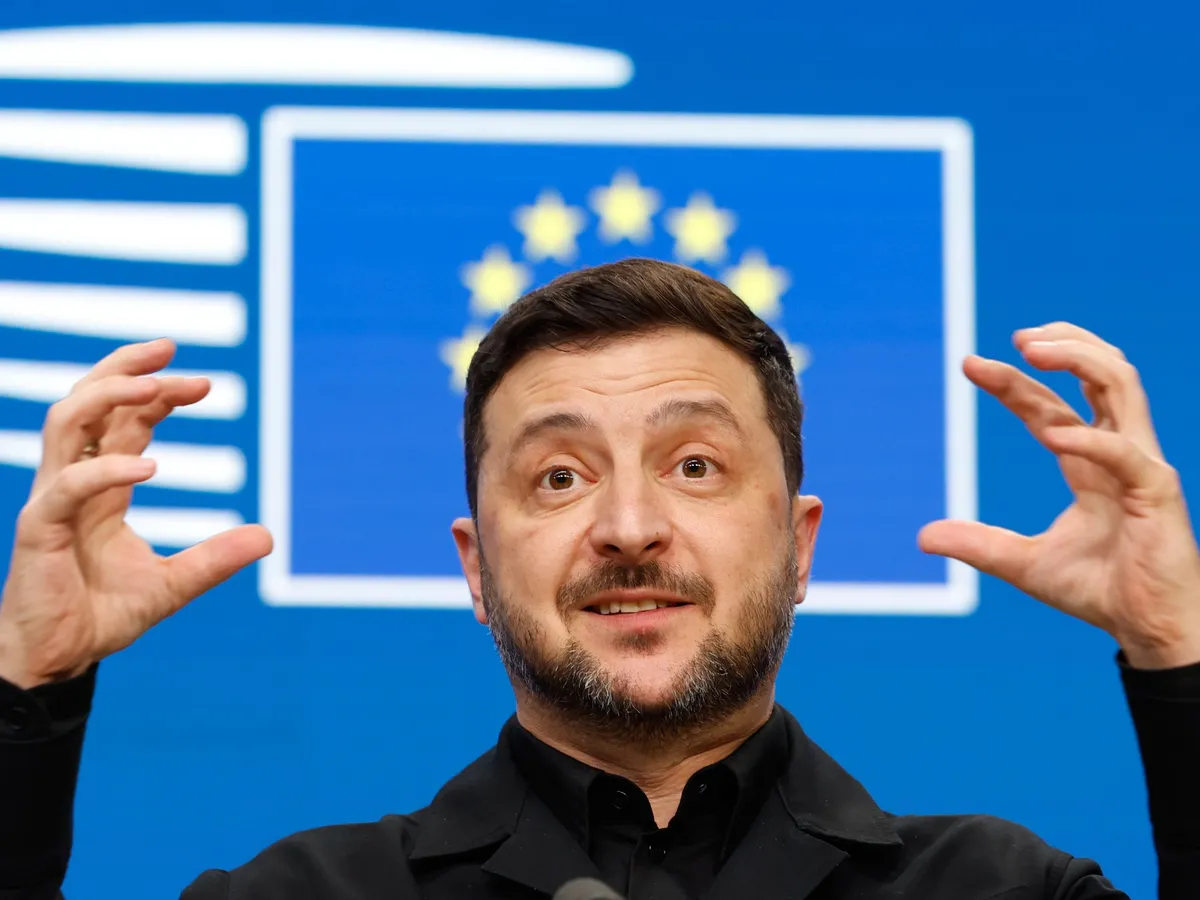
The European Union has formally signed off on a 90 billion euro loan for Ukraine, in what amounts to one of the largest financial commitments the bloc has ever made to a country that is not, technically, a member yet. The move was confirmed by Al Jazeera and comes bundled with a fresh round of sanctions targeting Russia.
Think of it as the EU's version of a care package - except instead of cookies, it's tens of billions of euros and a strongly worded letter to the Kremlin.
Show me the money (by June, please)
Ukrainian President Volodymyr Zelenskyy wasted no time welcoming the decision, urging European officials to get the first tranche of the loan disbursed by May or June. Because when your country is in the middle of a war, patience is not exactly a luxury you can afford.
The loan is structured to give Ukraine a significant financial lifeline as it continues to fund its defense and keep basic state functions running. Wars, it turns out, are extraordinarily expensive - who knew.
More sanctions, more problems (for Russia)
Alongside the loan approval, the EU also greenlit a new package of sanctions against Russia. The details of the specific measures have been reported by Al Jazeera but the broader pattern by now is familiar: asset freezes, trade restrictions, and the general diplomatic equivalent of unfriending someone on every platform simultaneously.
Russia has consistently dismissed EU sanctions as counterproductive, while simultaneously watching chunks of its economy reorganize around workarounds and alternative markets. Whether this latest round bites harder than previous ones remains to be seen.
What this means in the big picture
The 90 billion euro figure is not a grant - it is a loan, meaning Ukraine will eventually need to pay it back. Much of the funding is expected to be backed by proceeds from frozen Russian sovereign assets held in Europe, a creative bit of financial judo that has been in the works for some time.
The formal approval marks a significant step for the EU, which has had to navigate its own internal politics, member state hesitations, and the general complexity of writing very large checks while keeping 27 countries more or less on the same page.
For Zelenskyy and Kyiv, the message from Brussels is clear: Europe is still in it. Whether the money arrives on the requested timeline will be the next thing everyone is watching.