European ministers are set to meet in Moldova this Friday to discuss one of the continent's hottest political potatoes: what to do with asylum seekers whose applications have been rejected. And the answer being floated, according to a Guardian exclusive, is to send them to so-called "third-country hubs" - essentially, countries outside the EU that would receive and hold people who can't be returned to their home nations.
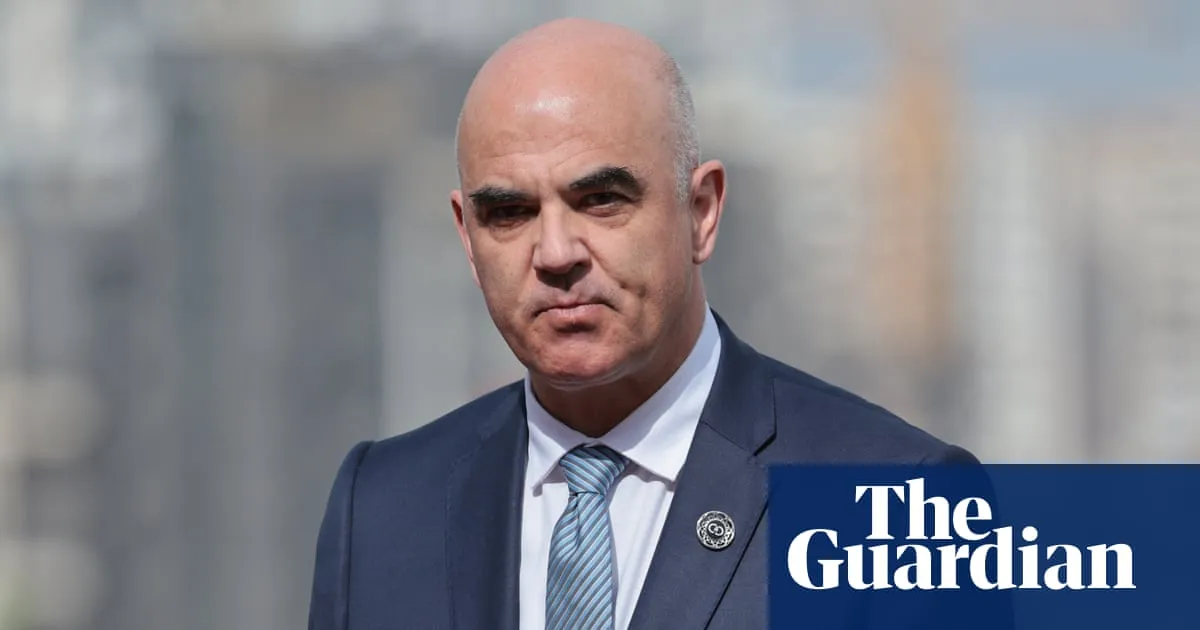
Alain Berset, the secretary general of the Council of Europe - that's the continent's main human rights body, not to be confused with the EU's Council of the European Union, a distinction that somehow still trips people up in 2025 - confirmed the talks to the Guardian. He said discussions are underway about removing people who have arrived in Europe but have had their asylum claims rejected.
So what exactly is a 'third-country hub'?
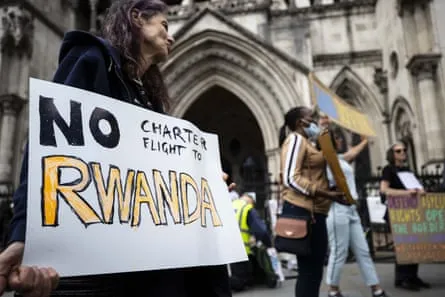
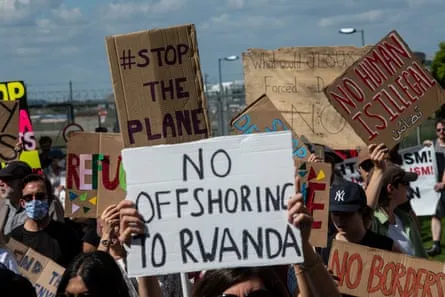
The concept is roughly this: if a rejected asylum seeker cannot be deported to their country of origin (for legal, logistical, or safety reasons), they could instead be transferred to a willing third country that agrees to host them, presumably in exchange for some form of financial or political arrangement with Europe. The UK's now-scrapped Rwanda scheme was a high-profile - and deeply controversial - attempt at something similar.
The Council of Europe is also expected to formally recognize member states' right to control their own borders as part of the meeting's outcomes, according to the Guardian's reporting. That framing is significant: it signals an attempt to balance human rights considerations with the political reality that migration policy is one of the defining issues reshaping European politics from Rome to Helsinki.
Why Moldova?
Moldova, a small Eastern European nation that is a candidate for EU membership, is hosting the ministerial meeting. Its location and status make it a symbolically interesting venue - a country eager to move closer to Europe while Europe debates what to do at its edges.
Human rights organizations have long raised alarms about offshore processing models, arguing they risk creating legal black holes where people fall outside the protections they would otherwise be entitled to on European soil. Expect those voices to get considerably louder in the coming days.
The discussions come amid rising political pressure across the continent, with far-right and nationalist parties scoring gains in multiple countries on platforms centered heavily on stricter immigration controls.
Whether any concrete framework emerges from Moldova or whether this is another round of Very Serious Meetings That Produce A Strongly Worded Statement remains to be seen. Either way, the optics of Europe's human rights body signing off on border control as a recognized right will be closely watched.
Source: The Guardian