
Hui Ka-yan, the founder and former chairman of China Evergrande Group, has pleaded guilty to a range of serious financial crimes, including embezzlement of corporate assets and corporate bribery, according to a statement from the Shenzhen Intermediate People's Court.
The trial took place over two days and concluded Tuesday. The court said it would deliver its judgment at a later date, according to reporting by the South China Morning Post.
The charges against Hui are extensive. In addition to embezzlement and bribery, he faces allegations of illegally absorbing public deposits, fundraising fraud, illegal loan issuance, fraudulent issuance of securities, and other financial violations.
Collapse of a property giant
Evergrande was once the largest property developer in China by sales volume. The company's financial troubles became a major story in 2021, when it defaulted on billions of dollars in debt obligations, sending shockwaves through China's real estate sector and rattling global financial markets.
At its peak, Evergrande had accumulated liabilities of more than $300 billion, making its collapse one of the largest corporate debt crises in history. The fallout contributed to a prolonged downturn in China's property market, which has weighed heavily on the country's broader economy.
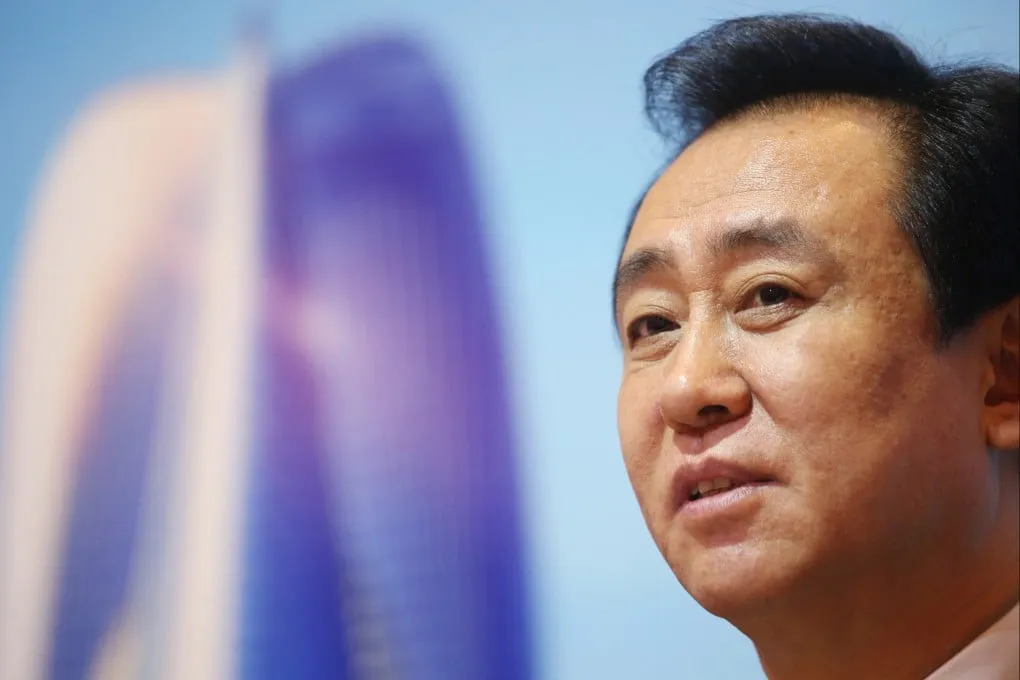
Hui, once ranked among the wealthiest individuals in Asia, was detained by Chinese authorities in 2023. His arrest came amid a broader government crackdown on financial misconduct within the property sector.
Legal proceedings and implications
The guilty plea marks a significant development in what has been a closely watched legal case. Courts in China frequently take extended periods before issuing judgments in complex financial fraud cases of this scale.
The charges Hui faces carry potentially severe penalties under Chinese law. Convictions for crimes such as fundraising fraud and fraudulent securities issuance can result in lengthy prison sentences.
The case highlights the Chinese government's continued efforts to hold corporate executives accountable for misconduct linked to the country's property sector crisis. Authorities have pursued a number of developers and executives in recent years as part of efforts to stabilize the market and address grievances from homebuyers and investors left exposed by unfinished projects and broken financial commitments.
The Shenzhen Intermediate People's Court did not specify when it would deliver its verdict.