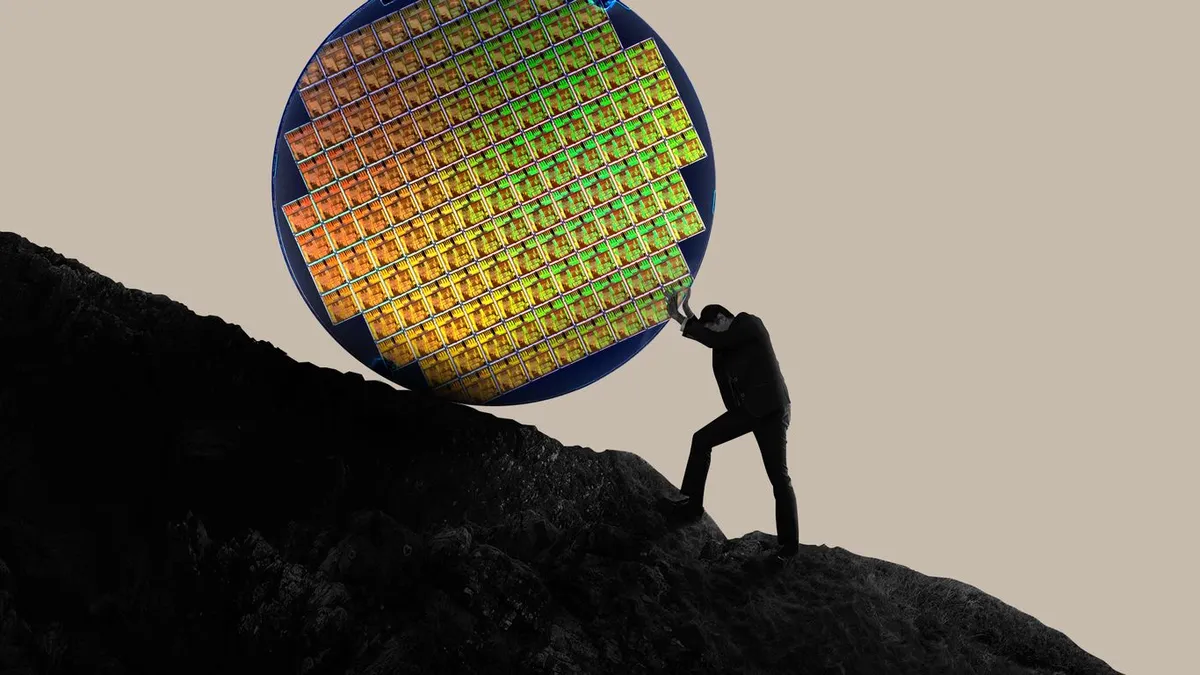
The rapid expansion of artificial intelligence infrastructure is running into an unexpected obstacle: the fragility of the global supply chains that underpin semiconductor manufacturing, according to reporting by Axios.
The ongoing conflict involving Iran is raising concerns about access to industrial inputs that chipmakers rely on, adding a new layer of risk to an already strained global production network. The development represents the latest example of geopolitical instability disrupting industries that had long assumed reliable access to critical materials and chokepoints.
A pattern of supply chain vulnerability
Analysts and observers have identified a broader trend shaping the economic landscape of the 2020s: successive shocks revealing how dependent modern industries are on supply chains that were never designed to withstand sustained disruption.
From semiconductor shortages during the COVID-19 pandemic to energy crises triggered by the war in Ukraine, the past several years have repeatedly exposed the limits of globally integrated production systems. The AI sector, which depends heavily on advanced chips and the materials needed to manufacture them, is now confronting the same structural vulnerabilities.
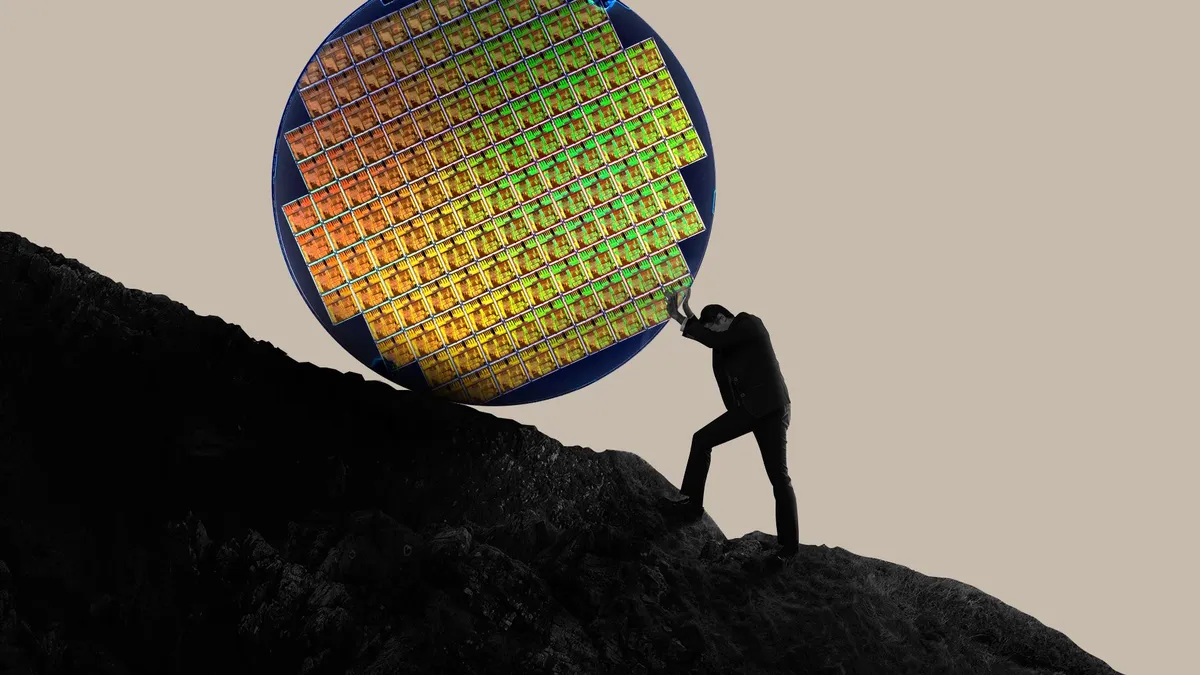
According to Axios, the AI buildout is being throttled by this pattern, with the Iran situation serving as the latest confirmation that once-reliable global chokepoints are more fragile than previously assumed.
Stakes for the AI industry
The artificial intelligence sector has seen enormous investment in recent years, with technology companies and governments racing to build out data centers and acquire the processing power needed to train and run large-scale AI systems. That buildout depends on a steady supply of high-performance chips, which in turn depend on a complex web of raw materials, specialized equipment, and manufacturing capacity concentrated in a small number of locations worldwide.
Any sustained disruption to that supply network could slow the pace of AI development and raise costs for companies across the sector.
The situation underscores a tension that has grown more visible throughout the decade: the digital economy, often described in terms of software and data, remains deeply anchored in physical infrastructure and the geopolitical conditions that govern access to it.
As of publication, the full scope of potential supply chain impacts linked to the Iran conflict had not been fully assessed, and the situation remained fluid.