Leading nuclear experts are warning that Russian military activity near Ukrainian nuclear facilities could trigger a catastrophic accident, echoing the 1986 Chernobyl disaster that remains the worst nuclear incident in recorded history, according to a report by The Independent.
Four decades after the explosion at the Chernobyl Nuclear Power Plant sent radioactive contamination across much of Europe, specialists told The Independent that Russia's conduct at both the Chernobyl site and the Zaporizhzhia Nuclear Power Plant - Europe's largest active nuclear facility - demonstrates that the hard lessons of that disaster have not been absorbed.

Ongoing risks at Zaporizhzhia
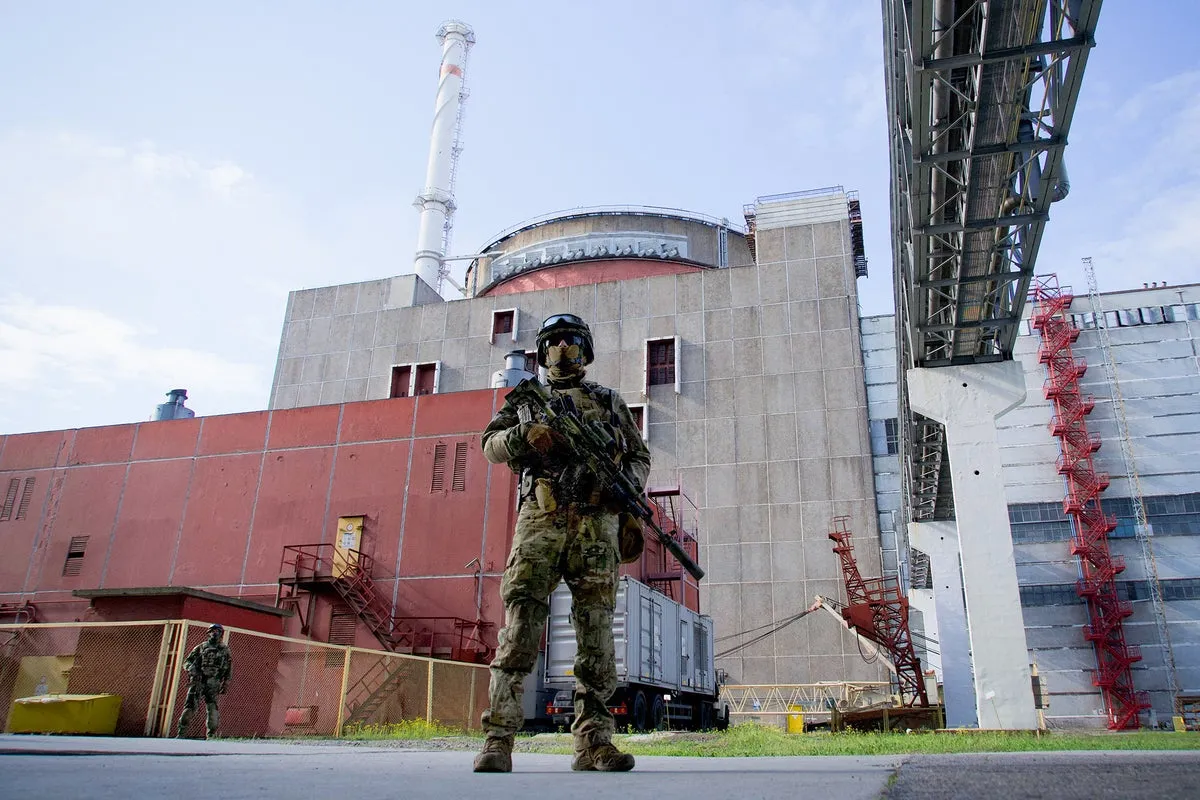
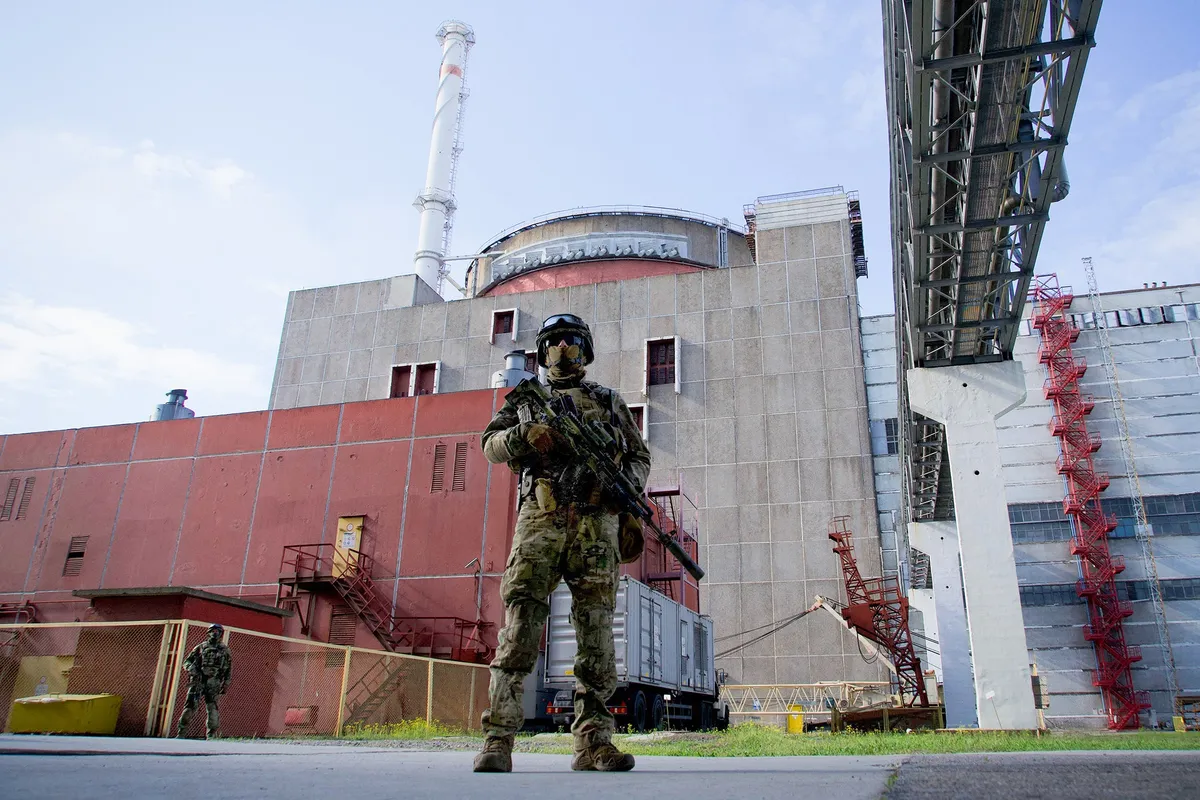
The Zaporizhzhia plant, located in southeastern Ukraine, has been under Russian military control since early in the full-scale invasion that began in February 2022. The facility has repeatedly lost external power connections, which are critical for cooling reactor cores and spent fuel. A sustained loss of power could lead to overheating and, in a worst-case scenario, a meltdown or release of radioactive material.
Experts interviewed by The Independent described the situation at Zaporizhzhia as uniquely dangerous, citing the combination of active military operations in the surrounding region and the structural vulnerabilities that come with operating a nuclear plant in a conflict zone.
Chernobyl as a reference point
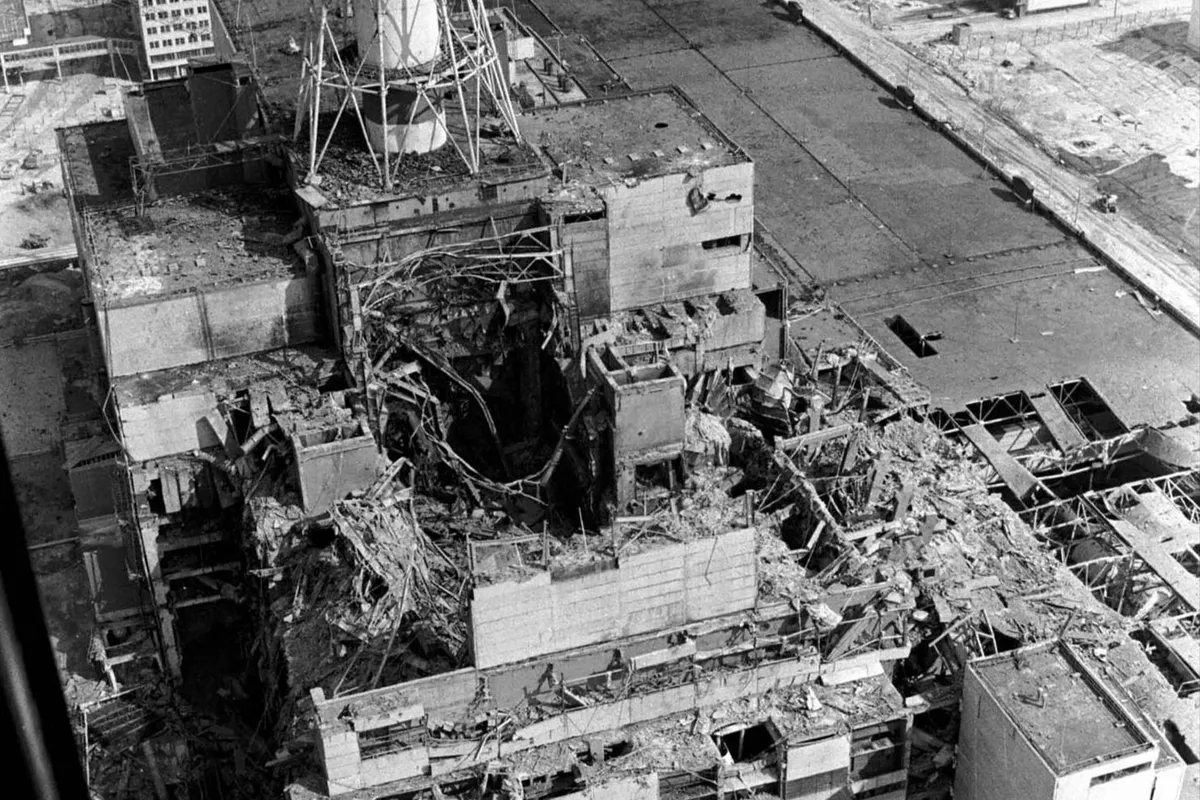
The 1986 Chernobyl explosion, caused by a flawed reactor design and operator errors during a safety test, released large quantities of radioactive particles into the atmosphere. The disaster directly killed dozens of plant workers and firefighters and led to the evacuation of hundreds of thousands of people. Long-term health consequences, including elevated cancer rates in affected populations, have been documented in subsequent decades.
Nuclear specialists noted that while modern reactor designs differ significantly from the Soviet-era RBMK reactor that failed at Chernobyl, the risks posed by military strikes, infrastructure damage, and the loss of trained personnel at active plants represent a distinct but serious category of danger.
International concern
The International Atomic Energy Agency has maintained a presence at Zaporizhzhia since the early stages of the conflict and has repeatedly called for a protection zone around the facility. The agency has documented multiple incidents in which the plant's safety systems were stressed by fighting or power disruptions.
Russia has denied responsibility for attacks near the plant, and the two sides have traded accusations over who bears responsibility for incidents in the area.
Experts cited in The Independent's report stressed that any major radiological release would not respect national borders, potentially affecting populations across Europe in a manner similar to, or exceeding, the fallout from Chernobyl in 1986.