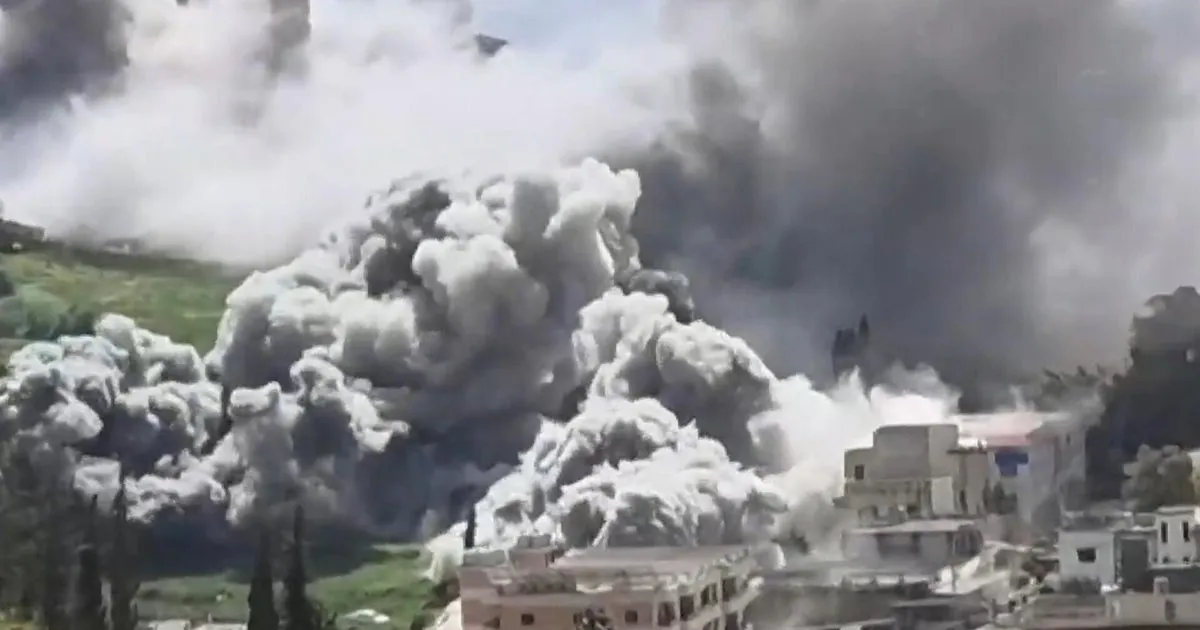
A ceasefire between Israel and Lebanon is generating new questions about whether a pause in the cross-border conflict could influence ongoing U.S. efforts to reach a wider diplomatic agreement with Iran, according to a report by CBS News correspondent Charlie D'Agata.
Israel and Iranian-backed Hezbollah forces have been engaged in sustained fighting along the Israeli-Lebanese border, part of a broader pattern of regional tensions directly tied to Iran's network of proxy forces across the Middle East. The ceasefire, if it holds, represents a significant shift in the immediate military situation.
Regional implications
The cessation of hostilities between Israel and Lebanon carries potential consequences that extend well beyond the two countries directly involved. U.S. officials have been working toward a broader regional arrangement with Iran, and the ceasefire could either create diplomatic space for those talks or complicate the calculations on all sides.
Iran has long used Hezbollah as a key instrument of its regional influence, and any agreement affecting Hezbollah's operational posture in Lebanon is likely to factor into how Tehran approaches negotiations with Washington.
The U.S. position
American diplomatic efforts toward Iran have focused on containing what U.S. officials describe as destabilizing behavior across the region, including support for armed groups in Lebanon, Yemen, Iraq, and Gaza. A ceasefire that reduces pressure on one of those fronts could shift the leverage dynamics that both sides bring to any potential talks.
Whether the pause in fighting strengthens or weakens the U.S. hand in potential Iran negotiations remains a matter of debate among regional analysts. Some argue that a stable Lebanon reduces the immediate threat environment and gives diplomacy more room to operate. Others contend that easing military pressure on Iran's proxies could reduce Tehran's incentive to make concessions.
Fragile ground
Ceasefires in the region have historically been difficult to sustain. Previous halts in fighting between Israel and Hezbollah have broken down, and the underlying tensions rooted in competing security interests and Iran's strategic objectives in Lebanon have not been resolved by prior agreements.
The situation remains fluid, and U.S. officials have not publicly confirmed the details or current status of any diplomatic overtures toward Tehran in connection with the Lebanon ceasefire.
CBS News first reported on the potential diplomatic ripple effects of the ceasefire.