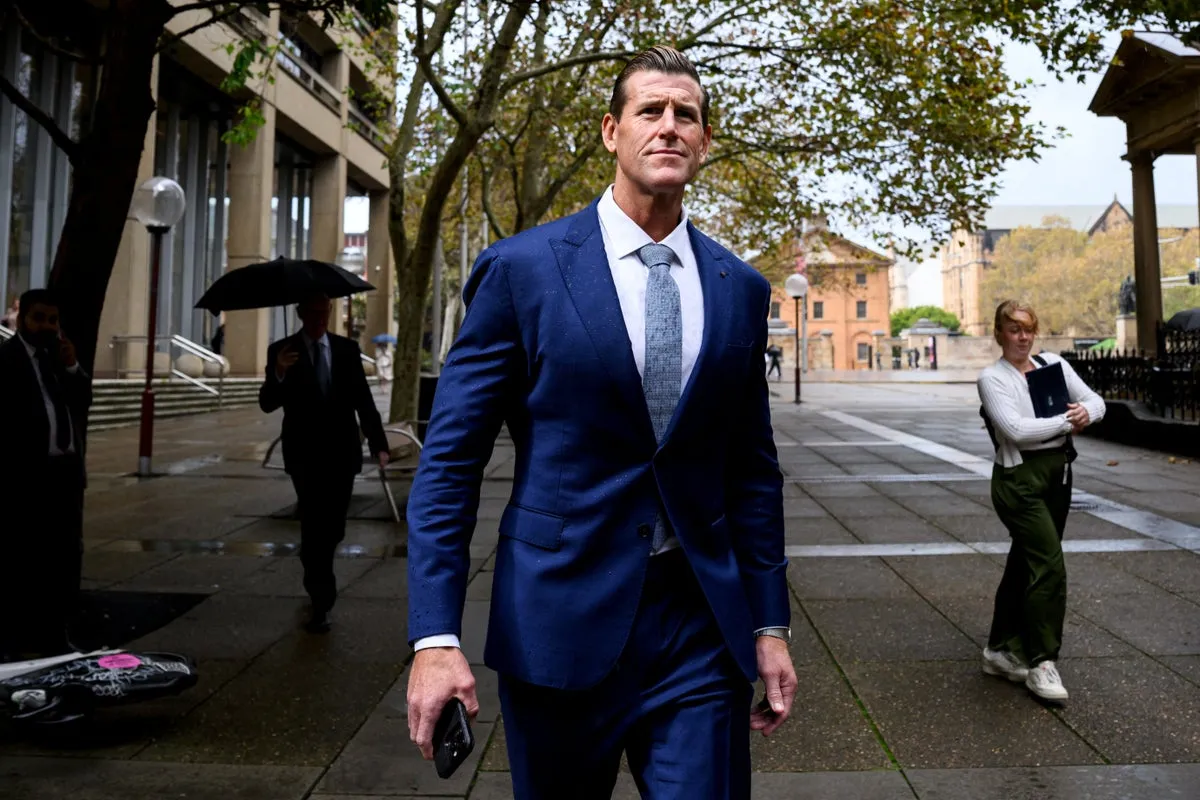
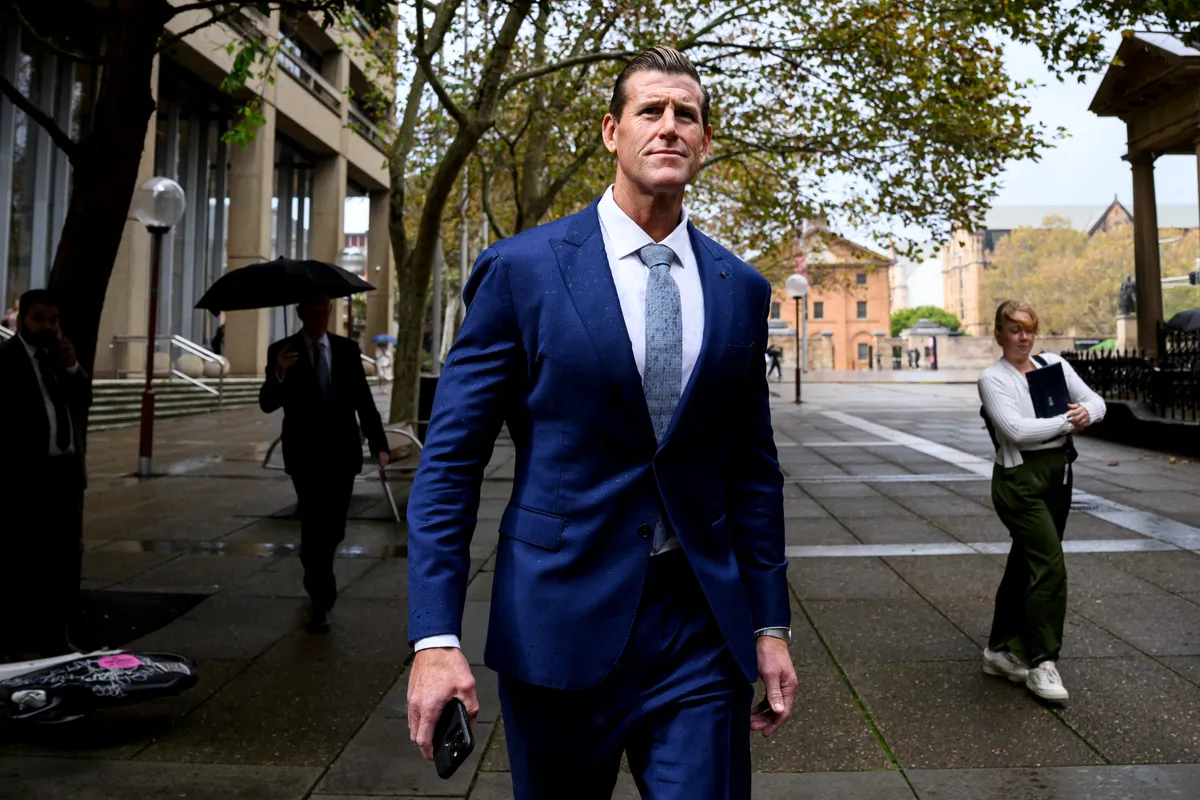
Ben Roberts-Smith, a former Australian soldier and Victoria Cross recipient, has publicly denied charges of war crimes following his release on bail this week, telling reporters he remains proud of his military service.
Roberts-Smith faces five counts of war crimes related to the alleged murder of five unarmed Afghan civilians during deployments between 2009 and 2012, according to reporting by The Independent. The charges represent one of the most high-profile criminal cases involving alleged battlefield misconduct in Australian history.
A decorated soldier under scrutiny
Roberts-Smith is Australia's most decorated living soldier. He was awarded the Victoria Cross for Australia in 2011 for acts of valor in Afghanistan, making his criminal prosecution particularly prominent in national public life.

The charges against him stem from allegations that emerged in the aftermath of a broader Australian inquiry into the conduct of special forces troops in Afghanistan. That inquiry, known as the Brereton Report, found credible evidence of unlawful killings by Australian soldiers and led to a series of ongoing legal proceedings.
Civil defamation case already decided against him
Roberts-Smith previously pursued a defamation case in Australian civil courts against several media organizations that had published reporting on the alleged misconduct. In 2023, a federal court ruled against him, finding on the balance of probabilities that the allegations of murder were substantially true. However, the civil standard of proof differs from the criminal standard of proof beyond reasonable doubt, which will apply in the current criminal proceedings.
His legal team is expected to contest the criminal charges vigorously. Roberts-Smith himself has consistently maintained his innocence and framed his service as honorable.
Broader context of Australian war crimes investigations
The case is unfolding alongside wider accountability efforts stemming from the Brereton Report. Australian authorities have faced both domestic and international scrutiny over how they handle allegations against their own forces, with Afghan victims' advocates and human rights organizations calling for full accountability.
The Afghan civilians allegedly killed were not combatants, according to prosecutors. Defenders of Roberts-Smith argue the battlefield context was complex and that he acted within the rules of engagement at the time.
His criminal trial is expected to be a lengthy and closely watched proceeding, drawing attention to questions about oversight of special operations forces and the treatment of civilian populations in conflict zones. No trial date has been confirmed in the available reporting.