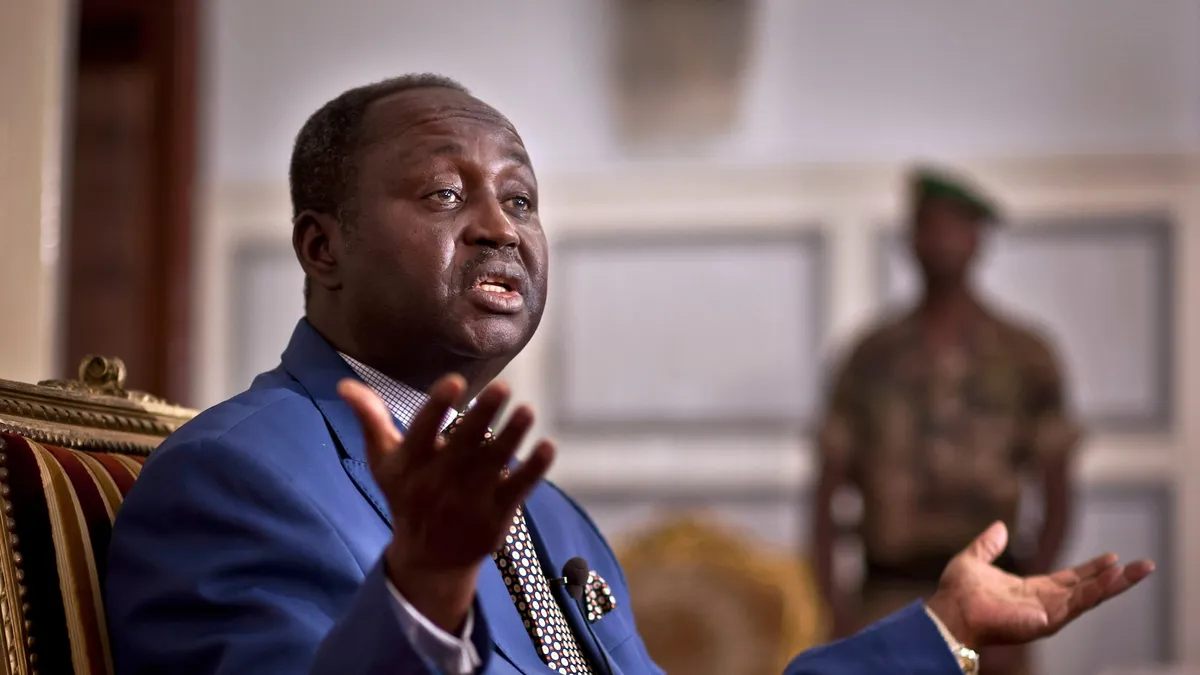
Justice moves slowly, but apparently it does move. A United Nations-backed court in the Central African Republic has officially opened the trial of former president François Bozizé, according to reporting by ABC News - marking a significant moment for a country that has seen more than its fair share of political chaos.
Who is Bozizé and why should you care?
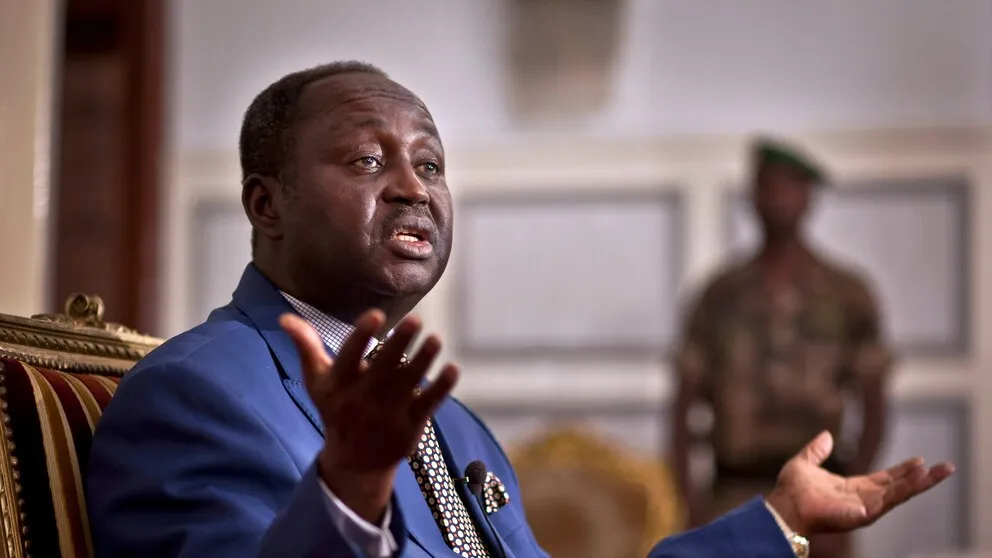
Bozizé is not exactly a household name in most parts of the world, but in the Central African Republic, he's a very big deal. He served as the country's president and now finds himself on the other side of the power equation - sitting as a defendant rather than sitting in a presidential palace. The trial opening represents one of those rare moments where the phrase "no one is above the law" actually gets tested in a meaningful way.
What's a UN-backed court doing here?
The Special Criminal Court operating in the CAR is a hybrid institution, meaning it combines both national and international judges and prosecutors. It was specifically set up to tackle serious human rights violations in a country that has been wracked by armed conflict and instability for years. Think of it as a justice upgrade for a system that desperately needed one.
The court's decision to put a former head of state in the dock sends a message that even the biggest fish can get caught in the net - though critics and observers will be watching closely to see whether the proceedings can be carried out fairly and independently.
The bigger picture
The Central African Republic has been locked in cycles of conflict involving numerous armed groups since at least 2013. Bozizé himself came to power via a coup back in 2003 and was later ousted in 2013 - because apparently what goes around really does come around. He has faced allegations of serious crimes, though the specific charges being prosecuted in this trial were not detailed in the source material.
The opening of proceedings is being watched internationally as a test case for accountability in conflict-affected nations, where former leaders have historically enjoyed impunity long after leaving power - voluntarily or otherwise.
Whether this trial leads to a conviction, an acquittal, or some other outcome remains to be seen. But one thing is certain: the wheels of justice in the Central African Republic are, however slowly, turning.
Source: ABC News