Ethiopians headed to the polls on Monday for parliamentary and regional elections that, according to pretty much everyone watching, were always going to end one way: with Prime Minister Abiy Ahmed's Prosperity Party collecting a landslide victory and probably celebrating before the ballots were even counted. France24 reported on the vote, and the details are... let's call them 'spicy.'
The election that wasn't everywhere
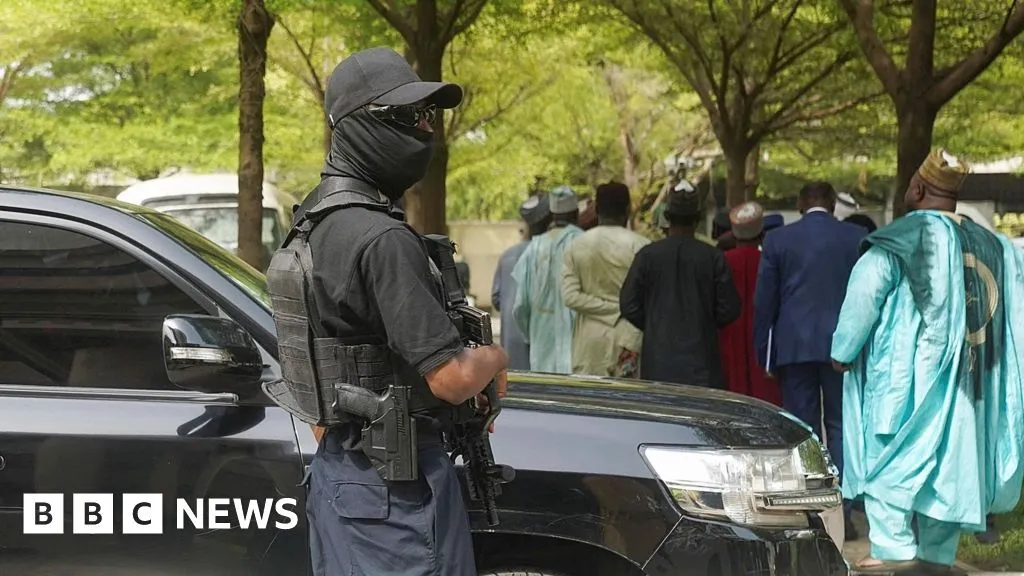
Here's the thing about holding a national election: it typically helps if the voting actually happens nationally. That was not quite the vibe this time around. Election officials confirmed that the Tigray region was left out of the vote entirely, citing 'unfavourable conditions' - a phrase that is doing some extremely heavy lifting given the region's brutal recent history of civil war and humanitarian crisis.
Meanwhile, in the Oromo and Amhara regions, two of Ethiopia's most populous and politically significant areas, voting was interrupted due to security problems. So to recap: three of the country's most consequential regions either didn't vote or had serious disruptions. Totally routine stuff for a totally routine election.

Abiy Ahmed and the art of the foregone conclusion
Prime Minister Abiy Ahmed, who won the Nobel Peace Prize in 2019 before leading the country into a catastrophic civil war against Tigray forces, was widely expected to see his Prosperity Party dominate the results. Opposition parties and international observers have long raised concerns about the political environment in Ethiopia, where the space for genuine dissent has been, to put it gently, somewhat compressed.
The Prosperity Party, which Abiy founded in 2019 by merging several ruling regional parties, has faced criticism for consolidating power in ways that critics say leave little room for competitive politics. When your main rivals are either locked up, in exile, or operating in regions where voting was interrupted, 'landslide' starts to feel less like a result and more like a weather forecast.
Why this matters beyond the headlines
Ethiopia is Africa's second most populous country and a major regional power. What happens there - politically, militarily, economically - sends ripples across the Horn of Africa. The exclusion of Tigray from the vote is particularly loaded, given that a fragile peace deal only ended the devastating 2020-2022 conflict between federal forces and the Tigray People's Liberation Front. An election that sidelines the region entirely does not exactly scream 'national reconciliation.'
International observers and rights groups will be watching the final results carefully, though at this point, calling the outcome a surprise would require a very creative definition of the word.