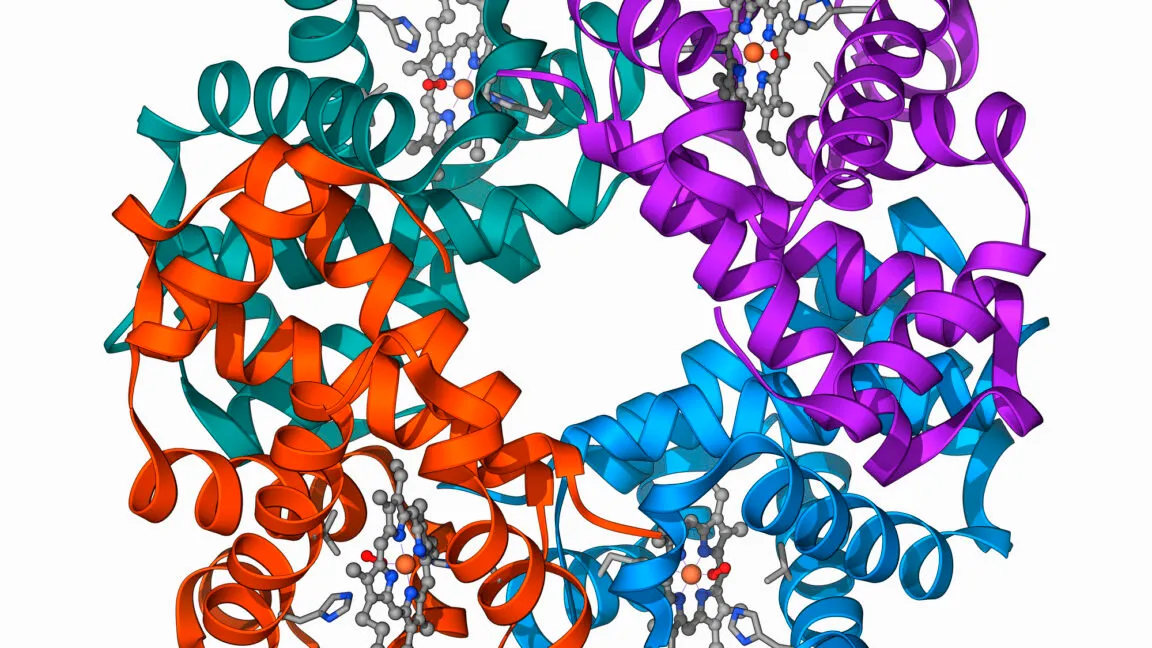
A clinical trial has demonstrated that gene editing can effectively treat β-thalassaemia, a hereditary blood disorder that affects the body's ability to produce functional hemoglobin, according to findings reported by Ars Technica.
The approach centers on reactivating a fetal version of the hemoglobin gene - one that is naturally switched off shortly after birth. By restoring this earlier form of hemoglobin production, researchers were able to compensate for the defective adult hemoglobin that causes the disease.
How the treatment works
β-thalassaemia is caused by mutations in the gene responsible for producing the beta chain of adult hemoglobin. Patients with the condition often require regular blood transfusions throughout their lives, and the disease can lead to severe organ damage if left untreated.
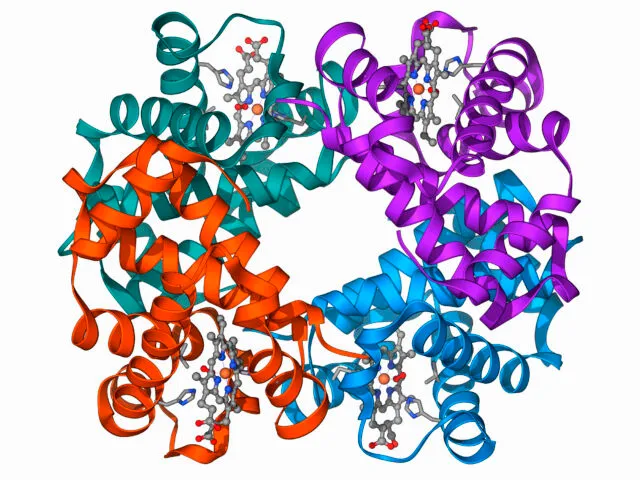
The gene editing process used in the trial targets genetic switches that normally suppress fetal hemoglobin after birth. By disabling those switches, the treatment allows patients to produce fetal hemoglobin at levels sufficient to offset the deficiency in their adult hemoglobin, according to the report.
Researchers described the gene editing process as an improvement on earlier methods, suggesting refinements have been made to increase both the precision and effectiveness of the technique.
Broader implications
The results add to a growing body of evidence supporting gene editing as a viable treatment strategy for inherited blood disorders. A similar approach has previously been explored for sickle cell disease, which is caused by a different mutation affecting the same hemoglobin gene family.

The development is significant for the estimated hundreds of millions of people worldwide who carry thalassaemia-related gene variants, with the condition being particularly prevalent across the Mediterranean, Middle East, South Asia, and Southeast Asia.
Clinical trials for gene-based therapies in blood disorders have accelerated in recent years following the regulatory approval of treatments such as Casgevy, a CRISPR-based therapy for sickle cell disease and transfusion-dependent β-thalassaemia approved in several countries in late 2023.
Details on the size of the trial, the specific gene editing platform used, and the longer-term follow-up data for participants were not fully specified in the available report. Further peer-reviewed publication of the complete trial data is expected to provide a more comprehensive picture of the treatment's safety and durability.