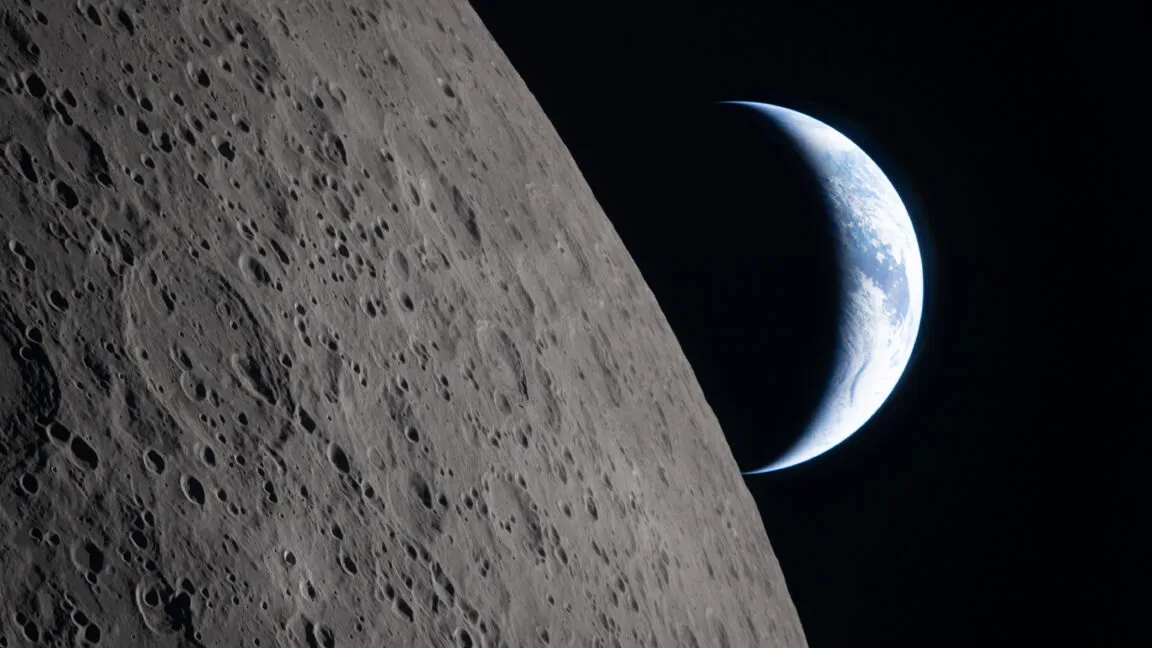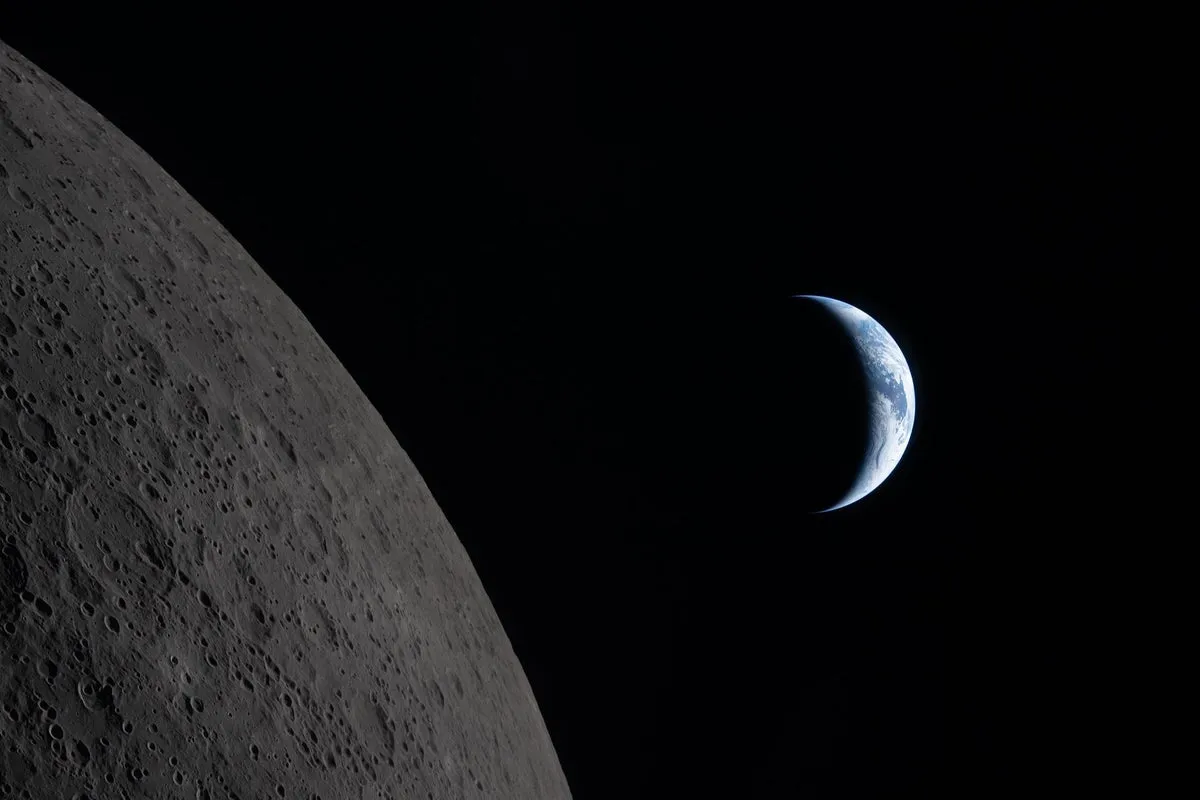
The United States government is pursuing plans to launch nuclear fission reactors to the lunar surface within the next four years, marking a significant shift in priorities for American space policy following the Artemis program, according to reporting by The Independent.
The initiative reflects growing interest in establishing sustained human presence on the moon, where reliable power generation is considered essential. Nuclear fission reactors are seen by proponents as a more dependable energy source than solar panels, which face limitations during the prolonged lunar nights that can last approximately two weeks.

Why nuclear power in space?
Conventional solar energy systems struggle to provide consistent output in the lunar environment, where extended periods of darkness make continuous operations difficult. Nuclear reactors, by contrast, can generate steady power regardless of sunlight availability, making them attractive for powering habitats, life support systems, and scientific equipment on the moon's surface.
Space-based nuclear technology is not entirely new. Both the United States and the Soviet Union deployed nuclear power systems on satellites and spacecraft during the Cold War era. However, landing a functioning fission reactor on another celestial body would represent a considerable step beyond previous efforts.
Timeline concerns
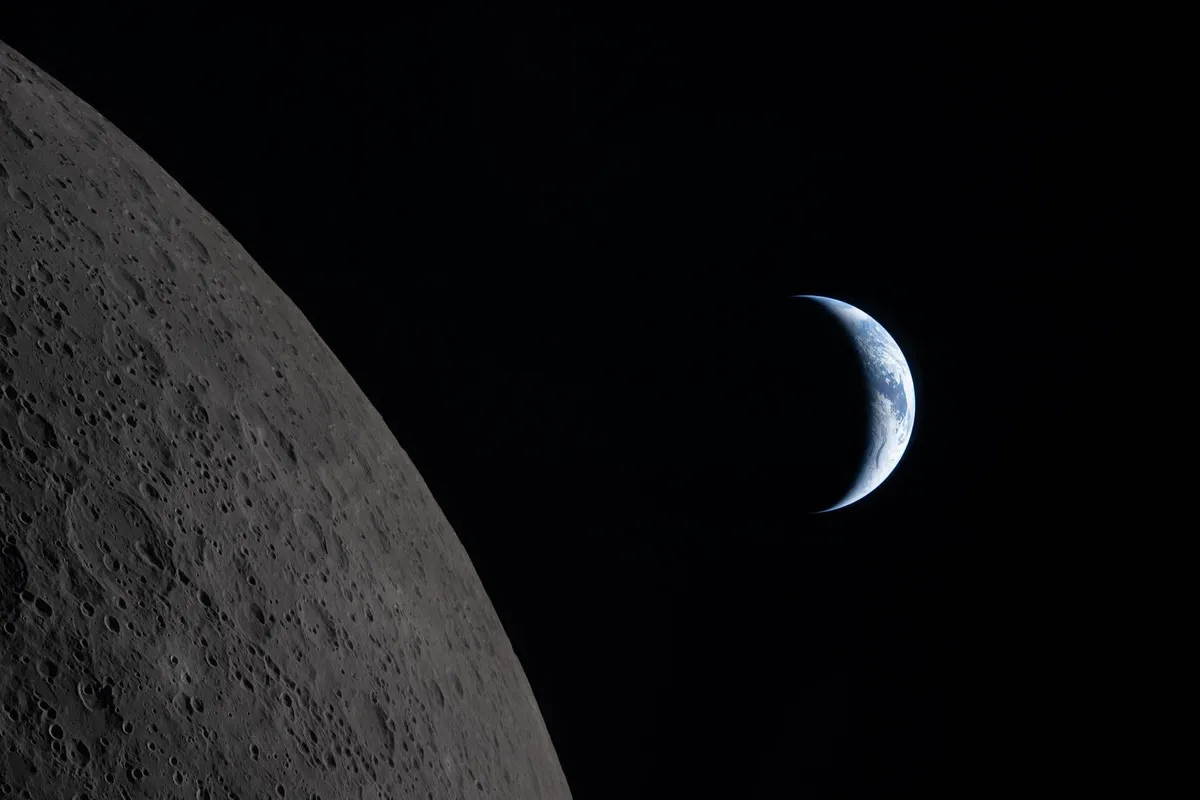
The four-year deployment target has drawn criticism from observers who question whether the technical, safety, and regulatory groundwork can realistically be completed in that timeframe, The Independent reported. Critics argue that developing, testing, certifying, and launching a space nuclear reactor involves layers of complexity that typically require longer development cycles.
Nuclear systems intended for space use must meet stringent safety requirements to minimize risks during launch and in the event of a mission failure. Regulatory review processes alone have historically taken years to complete.
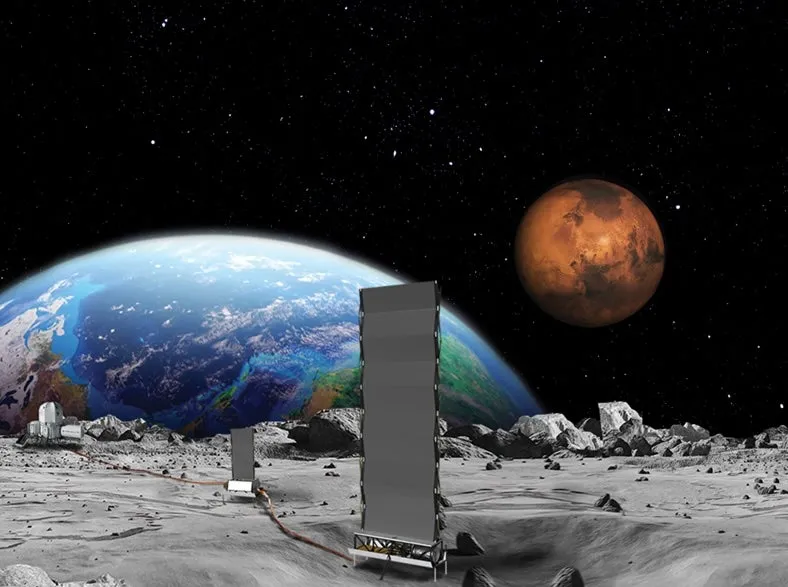
The administration has not publicly detailed which agency or contractor would lead the effort, nor has it outlined the specific reactor design it intends to pursue. NASA and the Department of Energy have previously collaborated on fission surface power projects, including the Kilopower reactor development program, which demonstrated a small fission reactor prototype in ground tests.
Broader context
The nuclear power push comes as the United States competes with China, which has outlined its own lunar exploration ambitions and aims to land astronauts on the moon by 2030. Establishing durable infrastructure, including power systems, is widely viewed as central to asserting a long-term presence on the lunar surface.
Whether the aggressive four-year timeline can be met remains an open question, with the gap between political ambition and engineering reality likely to shape how the program develops in the months ahead.