Well, that didn't go great. Donald Trump raised the case of imprisoned Hong Kong democracy activist Jimmy Lai during his high-stakes summit talks with Chinese President Xi Jinping - and reportedly got back little more than a diplomatic shrug.
According to reporting by The Guardian, Trump came away from the exchange saying he does "not feel optimistic" about Lai's prospects, after Xi reportedly told him the case "is a tough one." In diplomatic speak, that roughly translates to: subject closed, please enjoy the state dinner.
Who is Jimmy Lai, and why does it matter?
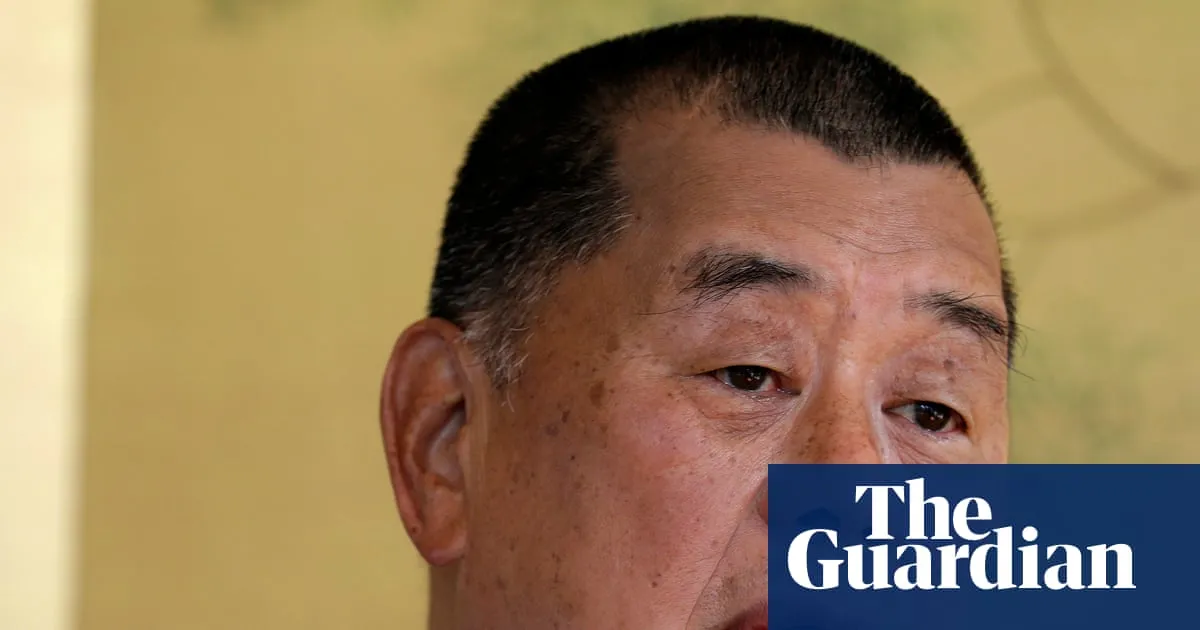
Jimmy Lai is a 78-year-old British citizen and founder of the now-shuttered pro-democracy newspaper Apple Daily in Hong Kong. He has been imprisoned under Hong Kong's sweeping national security law - the same law Beijing rushed through in 2020 to bring the restive territory to heel after years of protests. His trial has drawn international condemnation from human rights groups and Western governments alike.
Lai's family and a coalition of supporters had pinned considerable hope on Trump using his unusual personal rapport with Xi to push for a release or at minimum some form of concession. The idea wasn't entirely far-fetched - Trump has a long track record of using high-profile prisoner cases as deal-making chips in bilateral diplomacy.
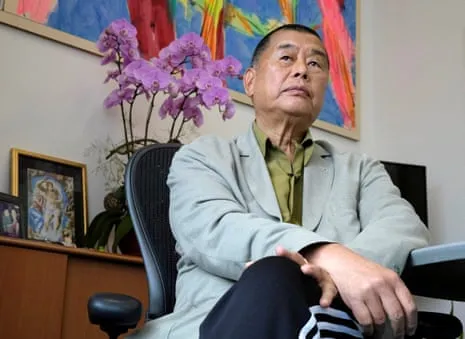
A tough one, indeed
But Beijing has consistently framed Lai's prosecution as a purely domestic legal matter - off the table for foreign interference, no matter who is asking. Xi's reported response to Trump essentially reaffirmed that position without slamming any doors dramatically, which is about as much as anyone realistically expected from a summit that also had trade wars, Taiwan, and a laundry list of other existential issues on the agenda.
Trump did not elaborate publicly on the specifics of the exchange, but his pessimism speaks volumes. When the guy who once got three American detainees released from North Korea as a warm-up act to a photo-op says he's not optimistic, it is probably time to temper expectations significantly.
What happens now?
Lai remains on trial in Hong Kong, facing charges that could result in life imprisonment. His legal team and international supporters continue to push for his release, but with Washington signaling limited leverage on this particular issue, the path forward looks narrow.
For a man who built his career on freedom of the press, the irony of his fate hanging on a backroom conversation between two of the world's most powerful leaders - neither of whom particularly champions press freedom - is not lost on observers.