In what can only be described as the most dramatic mood swing in recent diplomatic memory, US President Donald Trump announced Thursday that he had reached a "great settlement" with Iran to end the war in the Middle East - just hours after threatening the country with fresh military strikes.
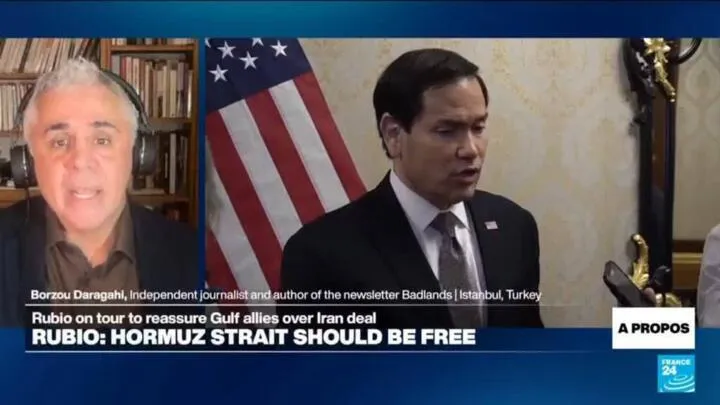
According to France24, Trump stated he expected a deal to be formally signed somewhere in Europe within the coming days. No confirmation of any agreement came from the Iranian side, which is... kind of an important detail when you're announcing a peace deal.
The wolf is crying again, possibly
To his credit, Trump himself appeared to acknowledge the obvious credibility problem here. France24 reports the president noted that "some people's response to this will be 'the boy who cried wolf'" - a rare moment of self-awareness that the internet will surely reward with great restraint and maturity.
The timeline here is genuinely breathtaking. Within the span of a single news cycle, Trump went from promising devastating strikes against Iran, to calling those strikes off, to announcing a landmark peace settlement. The geopolitical whiplash alone could give a diplomat a concussion.
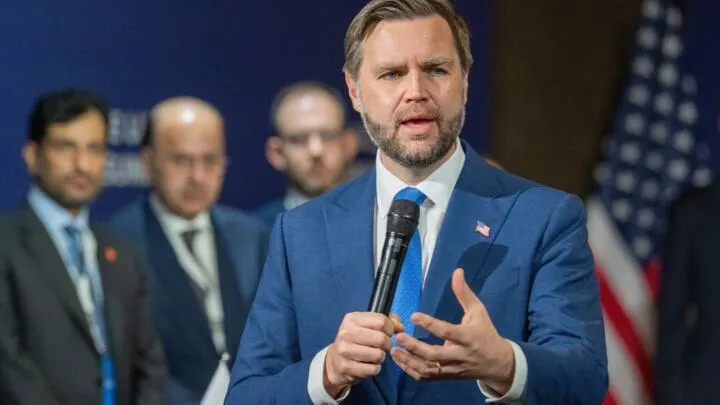
So... is there a deal or not?
Here is what we actually know, according to France24's reporting:
- Trump claims a settlement has been reached.
- He expects it to be signed in Europe in the coming days.
- Iran has not confirmed any such agreement.
- The Guardian's Washington bureau chief David Smith flagged the story, noting the "boy who cried wolf" framing.
The lack of Iranian confirmation is the kind of detail that turns a triumphant presidential announcement into a very awkward press cycle. Deals, as a general rule of diplomacy, tend to require acknowledgment from both parties involved.
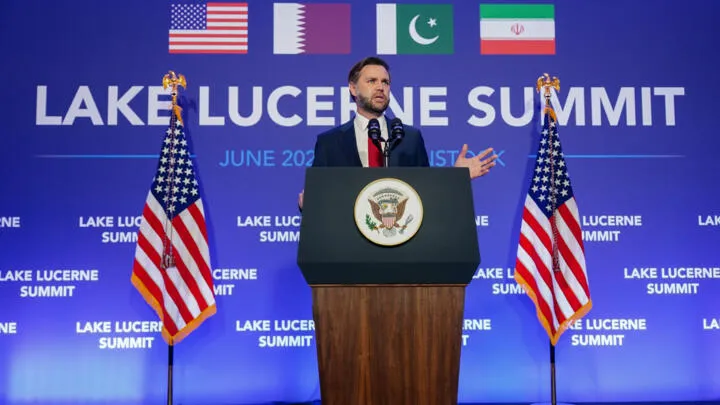
What happens next
If a deal does materialize and get signed, it would be a genuinely significant diplomatic development - one that would reshape tensions across the Middle East. If it does not, well, the wolf metaphor was right there in the original quote.
As The Guardian's Washington bureau chief David Smith noted while covering the story, the credibility question is not exactly coming from nowhere. Watch this space - apparently very closely, and possibly on an hourly basis.