Germany is facing a reckoning over laws that were written long before artificial intelligence could put anyone's face on anything - and a high-profile deepfake scandal involving a celebrity has finally pushed the debate into overdrive, according to reporting by Deutsche Welle.
The problem in plain terms
German law currently has a significant blind spot: non-consensual deepfake pornography - the kind where someone's face is digitally grafted onto explicit content using AI - falls awkwardly outside the traditional legal framework for sexual offences. When a celebrity became the victim of exactly this kind of abuse, public outrage quickly turned into a political pressure cooker.
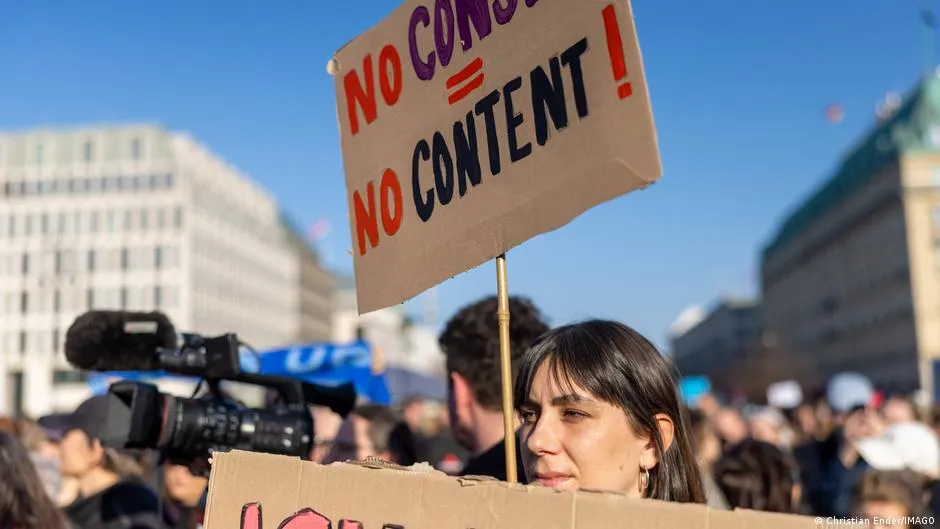
Campaigners are now pushing on two fronts simultaneously. First, they want explicit legal protections against AI-generated sexual imagery created without a person's consent. Second - and this is where it gets philosophically interesting - they want Germany to adopt the "only yes means yes" standard of active consent in its rape laws, replacing the older model that put too much weight on victims proving they said no.
Why "only yes means yes" matters
The "only yes means yes" principle - already law in countries like Spain and Sweden - flips the burden of the consent question. Instead of asking whether a victim resisted, it asks whether they actively agreed. Advocates say this is not just a legal technicality but a fundamental cultural shift in how society understands sexual autonomy.
Germany reformed its rape laws as recently as 2016, adopting the "no means no" standard - a step forward at the time. But critics argue that reform didn't go far enough, and the explosion of AI-generated abuse content has exposed yet another gap that lawmakers simply did not anticipate.
The deepfake dimension
The technology piece of this puzzle is particularly thorny. Deepfake pornography is cheap to produce, difficult to trace, and spreads faster than any legal takedown request. Victims frequently describe a sense of total helplessness - their image is weaponized without any physical contact ever occurring, yet the psychological and reputational damage can be devastating.
Advocates quoted in the DW report argue that the law needs to treat non-consensual deepfake imagery as a serious sexual offence, not just a privacy violation or defamation matter.
What comes next
The debate is now live in German political circles, with campaigners hoping the celebrity case keeps momentum going long enough to produce actual legislative reform. Given how slowly parliaments tend to move versus how fast technology evolves, that race has a pretty obvious frontrunner - and it is not democracy.
Source: Deutsche Welle