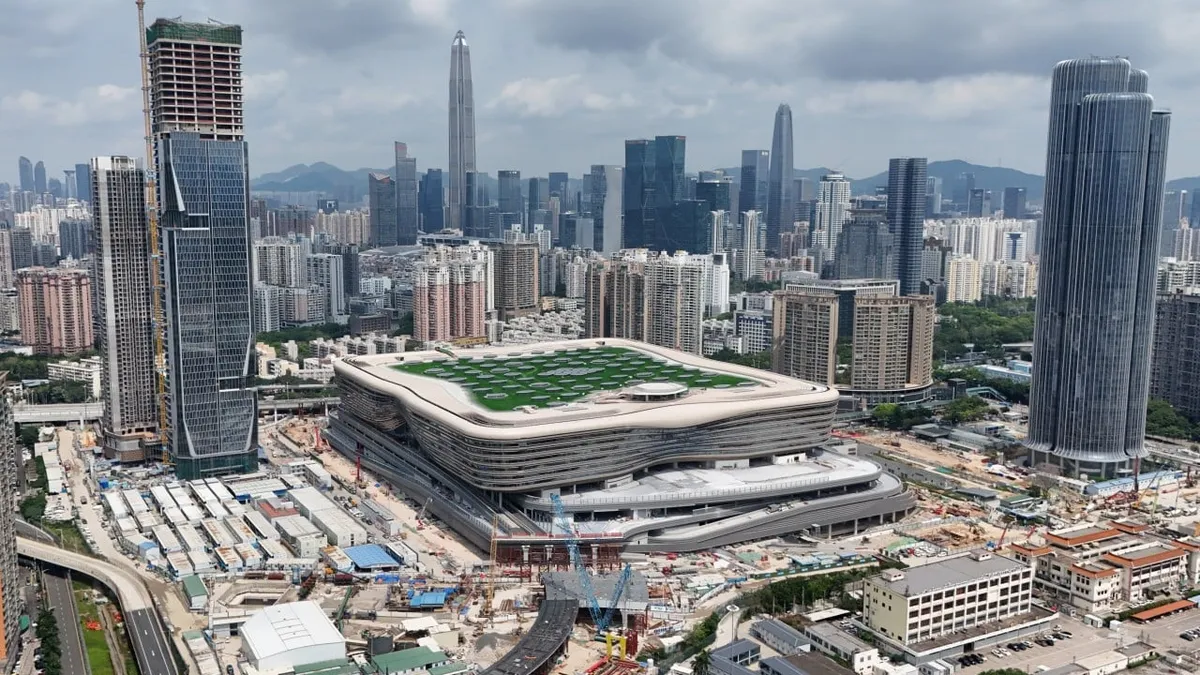
If you've ever stood sweating in a snaking border queue between Hong Kong and Shenzhen, mentally composing your resignation letter from society, this news might actually restore your faith in infrastructure. Authorities say an upgraded crossing at Huanggang Port could slash immigration clearance time to just five minutes, according to reporting by the South China Morning Post.
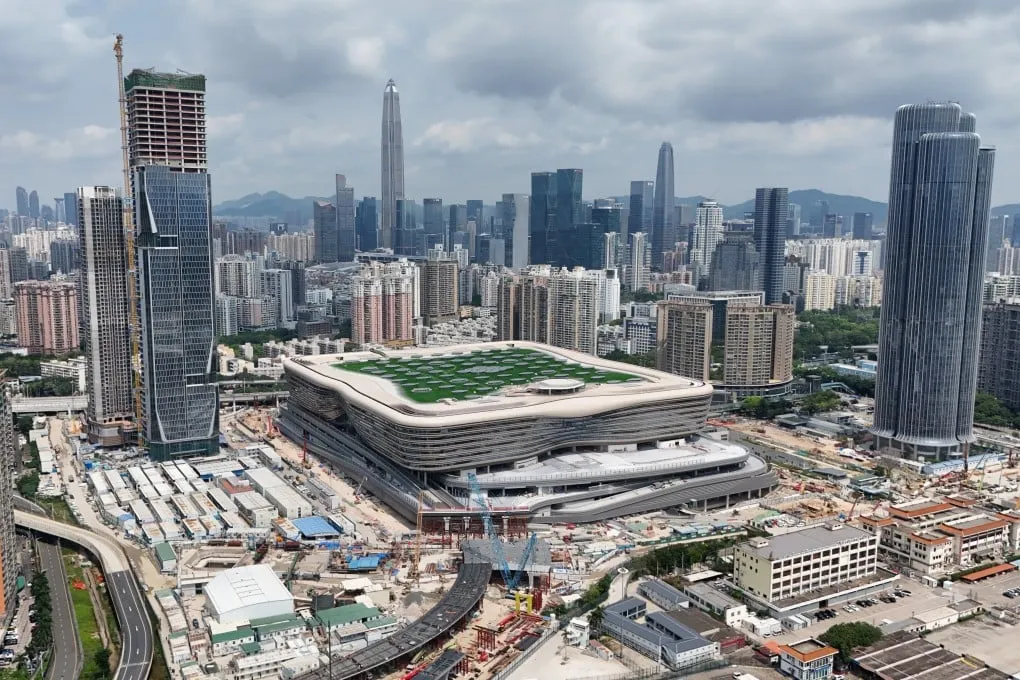
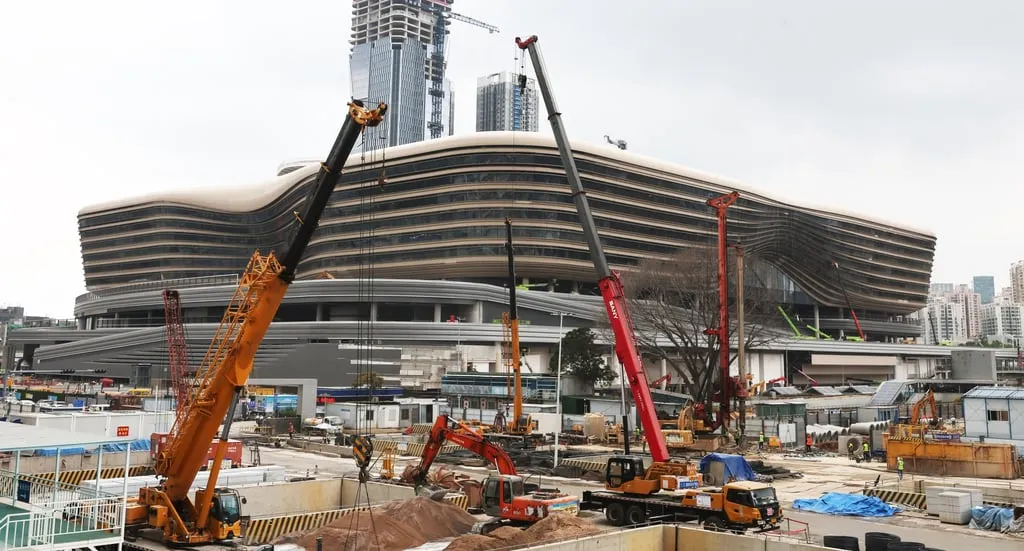
The redeveloped Huanggang Port Building is expected to open next month and will be the first crossing between the two cities to use what officials are calling a 'collaborative inspection and joint clearance' model. In plain English, that means both Hong Kong and mainland Chinese immigration checks will be handled in a single, streamlined process - rather than the current system where travelers essentially queue twice, for two separate authorities, like some kind of bureaucratic inception nightmare.
So what's actually changing?
The key innovation here is the joint clearance setup, which differs significantly from existing crossing points like the Lok Ma Chau checkpoint. Under the new model, the two immigration systems work in tandem rather than in sequence, meaning travelers move through a unified clearance process instead of bouncing between two distinct control points. Authorities are betting this cooperation cuts friction dramatically and gets that clearance time down to the five-minute mark they're promising.
Huanggang Port is a major artery between Hong Kong and Shenzhen, handling significant volumes of both passenger and freight traffic. An upgrade of this scale has obvious implications not just for daily commuters and weekend shoppers, but also for business travelers and logistics operations that depend on efficient cross-border movement.
Color us cautiously optimistic
Five minutes sounds almost offensively fast for an international border crossing, and skepticism is warranted. The promise comes from authorities - not yet from lived experience - and real-world performance will depend heavily on passenger volumes, technology reliability, and how smoothly the two sides actually coordinate in practice. Peak holiday periods, where queues at Hong Kong-mainland crossings have historically stretched to hours, will be the real test.
Still, the directional ambition is hard to argue with. Cross-border travel between Hong Kong and the mainland has surged since pandemic restrictions lifted, putting pressure on existing infrastructure. A genuinely faster crossing would be a meaningful quality-of-life upgrade for the hundreds of thousands of people who regularly make that trip.
The South China Morning Post reports the facility is expected to open next month, so the queue-hating public won't have to wait long to find out if the five-minute figure holds up or quietly disappears into the fine print.