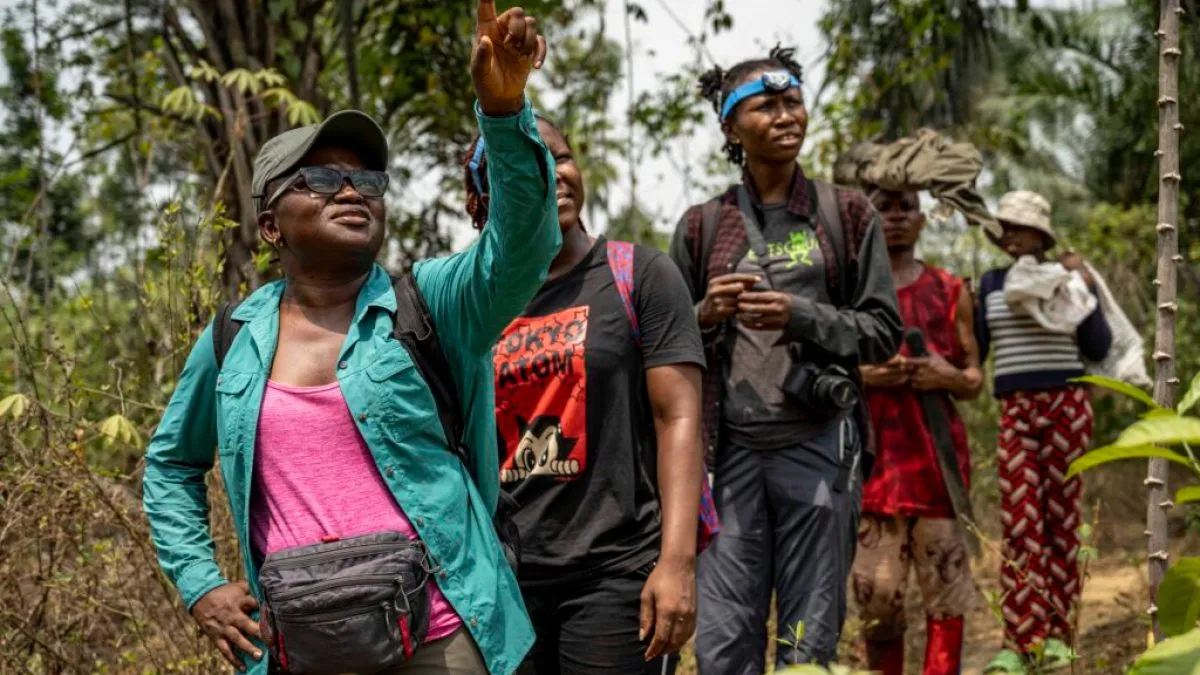
Six women have been named as the recipients of the 2026 Goldman Environmental Prize, marking the first time in the award's history that all winners in a single year are women, according to Al Jazeera.
The Goldman Prize, widely regarded as the world's most prestigious honour for grassroots environmental activists, is awarded annually to individuals from each of the world's six inhabited continental regions. This year's cohort represents a geographically diverse group spanning South America, Africa, Oceania, Asia, Europe and North America.
The winners
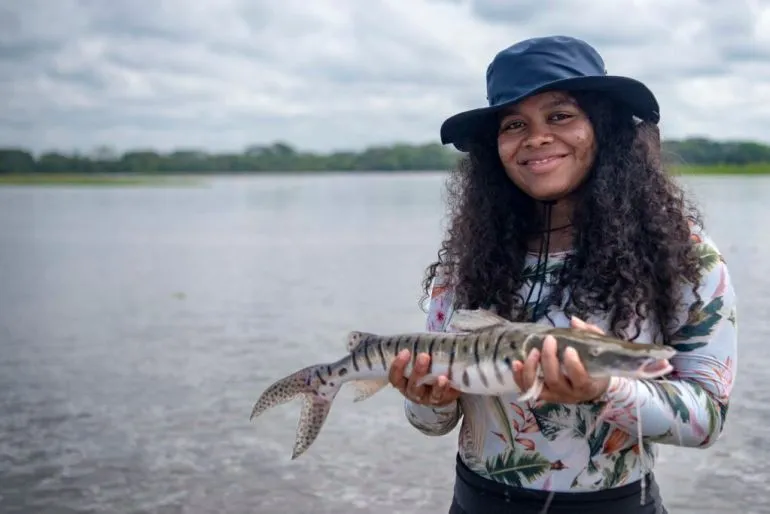
The six laureates hail from Colombia, Nigeria, Papua New Guinea, South Korea, the United Kingdom and the United States. Each was recognised for environmental activism and advocacy carried out at the community level, consistent with the prize's longstanding focus on individuals rather than large organisations or institutions.
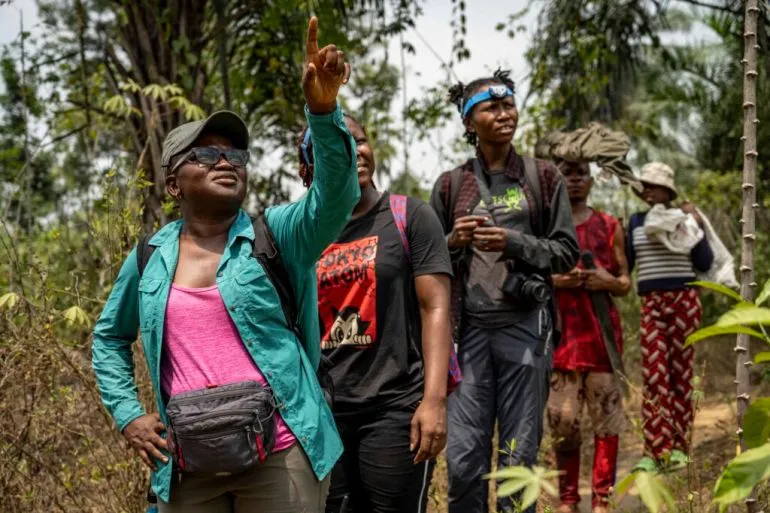
The Goldman Prize has been awarded since 1990 and is administered by the Goldman Environmental Foundation, based in San Francisco. It typically comes with a substantial cash award intended to support the ongoing work of recipients.
Significance of the all-women cohort
The selection of an entirely female group of laureates for 2026 is being noted as a historic milestone for the prize. Women have won the Goldman Prize in previous years alongside male recipients, but this marks the first occasion on which no male recipients were named in the annual cycle.
The prize has historically highlighted activists working against significant personal risk, including threats from governments, corporations and other powerful interests opposed to environmental protection efforts. Recipients have come from communities facing issues ranging from deforestation and mining to pollution and climate-related displacement.
Context
The announcement comes at a time of heightened global attention to environmental defenders, a category of activist that human rights organisations say faces disproportionate dangers. Groups such as Global Witness have documented a pattern of violence against land and environmental defenders in countries across Latin America, Africa and Asia.
Women, in particular, have been identified by researchers and advocacy groups as playing an increasingly central role in community-level environmental resistance, often in contexts where they bear the most direct consequences of environmental degradation.
Further details on the specific work of each of the six 2026 laureates were reported by Al Jazeera, which covered the announcement of the prize.