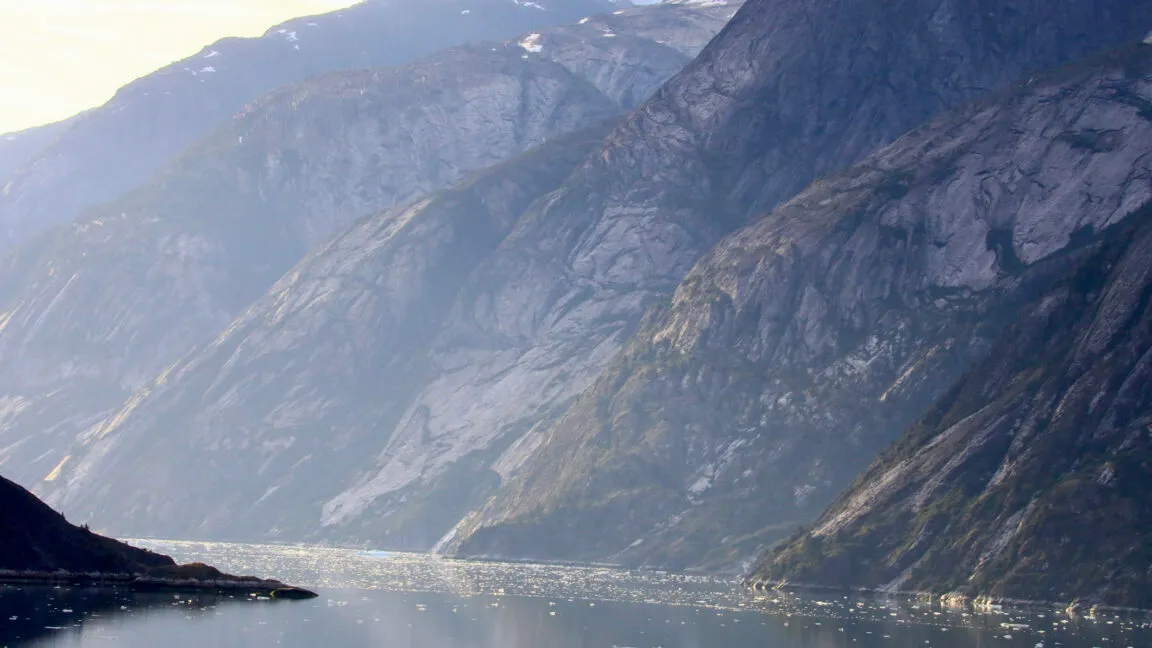
A catastrophic landslide triggered a tsunami wave reaching approximately 500 meters in height after a glacier-fed slope collapsed in a major tourist area, according to reporting by Ars Technica. The event produced one of the tallest wave surges on record, though casualties were avoided because the collapse occurred in the early morning hours when the area was largely unoccupied.
What happened
The landslide sent an enormous volume of rock and debris into a body of water, generating a displacement wave that climbed roughly 500 meters up the surrounding terrain. Such waves - known as mega-tsunamis - differ from seismically generated tsunamis in that they are caused by sudden mass movements rather than undersea earthquakes. They are characterized by extreme local height but more limited geographic reach.
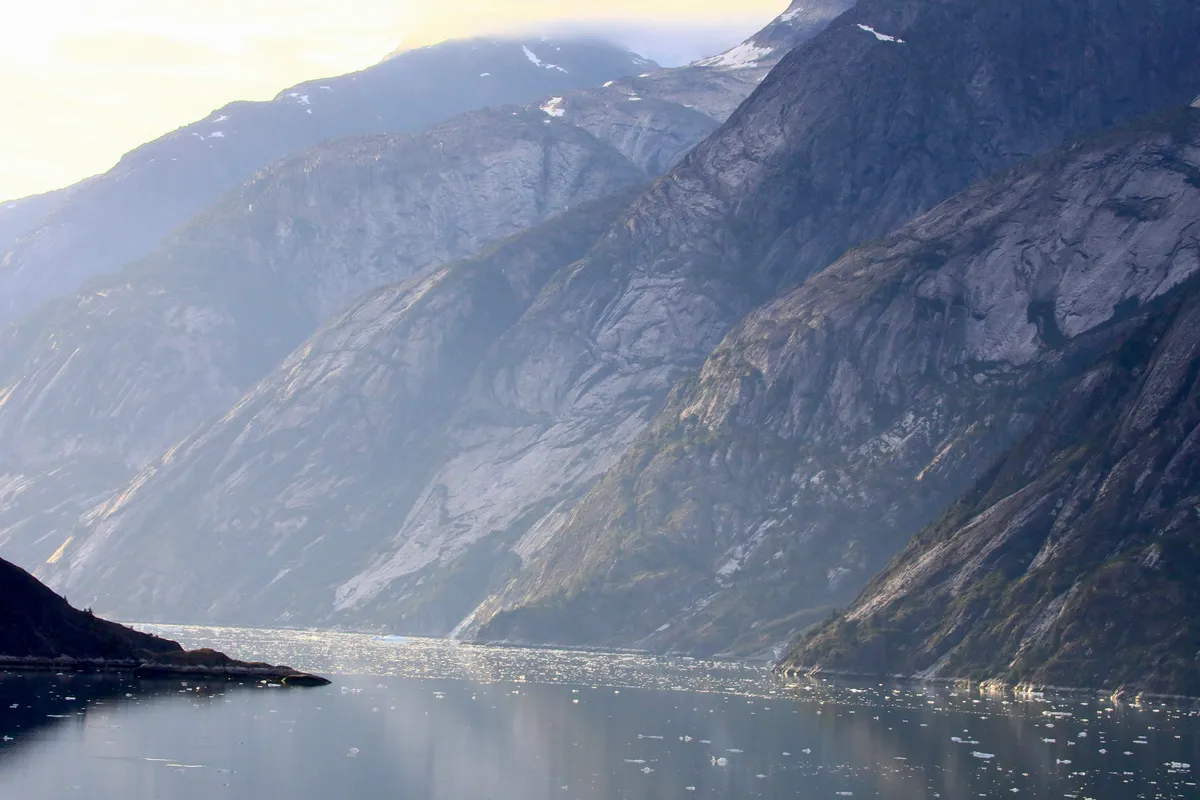
Scientists linked the event to glacial melting, which destabilized the slope above the water. As temperatures rise, glaciers that once held mountainous terrain in place retreat, leaving rock and soil increasingly vulnerable to collapse. Researchers have warned for years that this dynamic poses a growing risk in high-altitude and polar tourist destinations worldwide.
Timing prevented fatalities
The remote timing of the event was described as a critical factor in preventing loss of life. Tourist activity in the affected area typically increases during daylight hours, meaning the early morning collapse occurred before visitors and workers were present in significant numbers.

Had the landslide taken place later in the day, the consequences could have been severe given the wave's extraordinary height.
Climate connection
The incident adds to a growing body of evidence connecting accelerated glacial retreat to increased geophysical hazards. As glaciers shrink, the stabilizing pressure they exert on surrounding slopes diminishes, raising the probability of large-scale failures in mountainous regions.
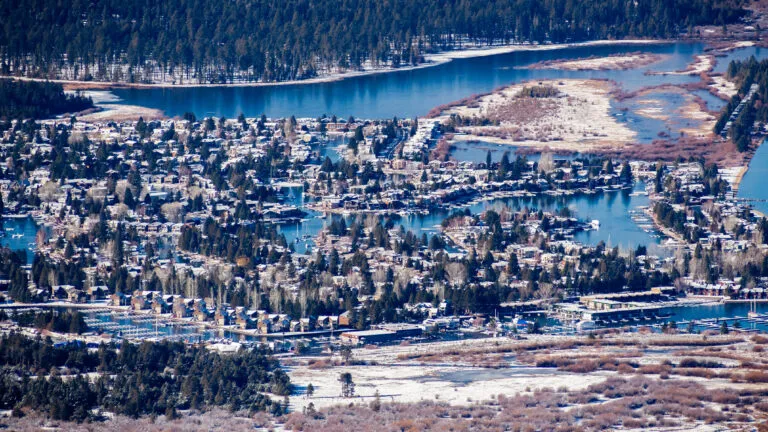
Researchers and safety officials in regions with heavy glacier coverage have been examining protocols for monitoring slope stability and issuing early warnings to tourists and residents. Events of this scale, while historically rare, may become more frequent as global temperatures continue to rise, according to scientists studying glacial dynamics.
The full scientific assessment of the event, including precise measurements of the wave height and the volume of material displaced, is ongoing, Ars Technica reported.