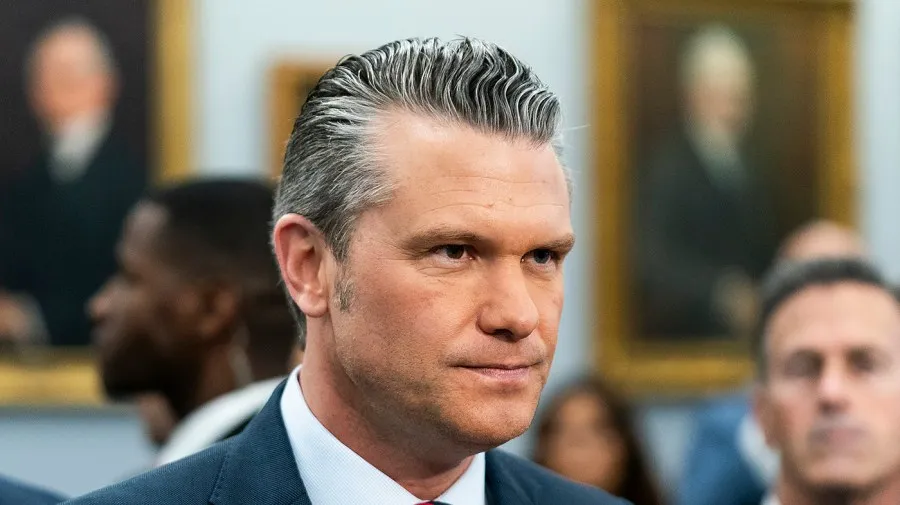
Nothing to see here, folks. Just some rockets flying overhead while diplomats hover over a digital signature field. Defense Secretary Pete Hegseth went on record Sunday insisting that an active exchange of strikes between Hezbollah and Israel is, apparently, no big deal - at least not when it comes to the US-Iran peace agreement that was set for an electronic signing just hours later.
It's not if, it's when (allegedly)
According to reporting by The Hill, Hegseth delivered his assessment with the kind of calm usually reserved for people who have absolutely not checked their notifications in the past hour. His words: "From all I know, we are on track. It's not a matter of if, it's a matter of when. There's logistics involved into how these things..." - and yes, that's where the available quote trails off, which is either deeply reassuring or the most ominous ellipsis in recent diplomatic history.
To be clear, Hegseth was speaking about an active geopolitical situation in which Hezbollah - the Lebanese militant group with well-documented ties to Tehran - and Israel were trading strikes. At the same time. While the US and Iran were preparing to electronically sign what would be a historically significant peace agreement.
Multitasking at a geopolitical level
If this sounds like a lot of moving parts, that's because it genuinely is. The Hezbollah-Israel conflict has long been intertwined with Iranian foreign policy, as Western governments and analysts have consistently pointed to Iran as Hezbollah's primary backer and arms supplier. Whether an active flare-up between the two constitutes a speed bump or a full-on diplomatic pothole is, to put it diplomatically, a matter of some debate.

Hegseth's position, as reported by The Hill, is essentially: trust the process. The logistics are being worked out, the deal is moving forward, and the rockets are someone else's problem right now.
Why this actually matters
A US-Iran agreement would be a seismic shift in Middle East geopolitics, potentially reshaping decades of hostile relations between Washington and Tehran. Critics will argue - and are likely already arguing loudly on television - that signing any deal while Iranian-linked forces are actively engaged in strikes against a US ally sends a complicated message. Supporters will counter that diplomacy and military activity have always coexisted, uncomfortably, in that region.
Either way, the optics of "peace deal signed during active Hezbollah-Israel exchange" is the kind of headline that writes itself - and Hegseth knows it. Whether the deal holds, and whether the strikes complicate ratification or implementation down the line, remains to be seen.
For now, the defense secretary's message is simple: stay calm, the paperwork is almost done.