The House of Representatives passed sweeping aviation safety legislation on Tuesday, months after a near-identical measure narrowly failed to advance. The bill passed by a vote of 396 to 10, according to The Hill, securing the two-thirds majority needed to move the legislation forward.
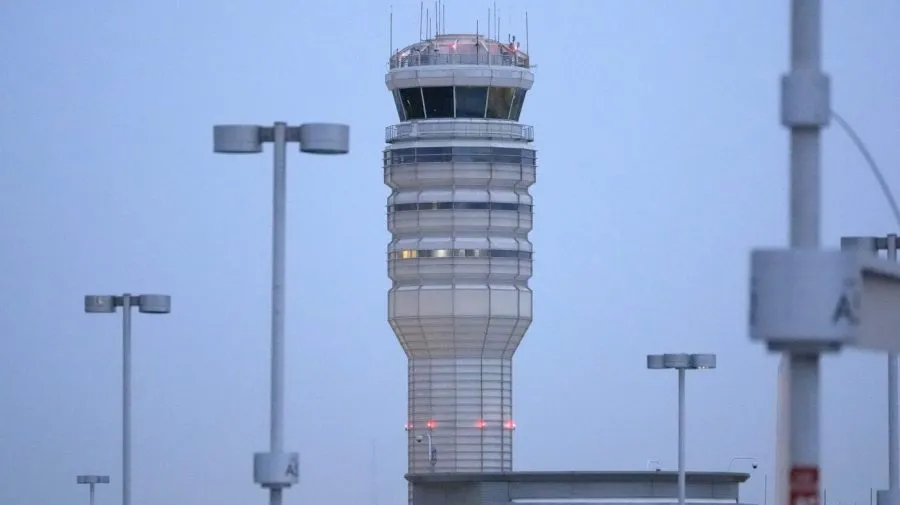
The ALERT Act was written in response to last year's deadly collision between an Army helicopter and a commercial passenger aircraft over Washington, D.C. - one of the worst aviation accidents in recent American history. Lawmakers designed the bill to address the safety failures and systemic gaps that investigators identified in the aftermath of that crash.
A second attempt succeeds
The legislation's passage marks a turnaround from February, when a similar bill fell short of the threshold required for approval. The near-unanimous margin on Tuesday reflects rare bipartisan consensus in a deeply divided chamber, with members from both parties coalescing around the need for stronger aviation oversight.
The wide margin of support signals strong political will to reform aviation safety protocols at a moment of heightened public concern about air travel security in the United States.
What the bill addresses
The ALERT Act targets the coordination and communication failures that contributed to last year's collision. While specific provisions were not detailed in the source material, the legislation is broadly aimed at preventing the conditions that allowed a military and civilian aircraft to occupy the same airspace over the nation's capital.
The Washington, D.C. crash drew intense scrutiny from aviation regulators, members of Congress, and the public, raising questions about air traffic management systems and military flight protocols near restricted and heavily trafficked airspace.
Next steps
With House passage secured, the bill moves to the Senate, where it will require further approval before it can be signed into law. The strong showing in the House may strengthen its prospects in the upper chamber, though no timeline for Senate action has been reported.
Aviation safety has emerged as a prominent legislative priority this year, following a string of high-profile incidents that have renewed pressure on federal officials to modernize oversight frameworks governing both commercial and military aviation operations.