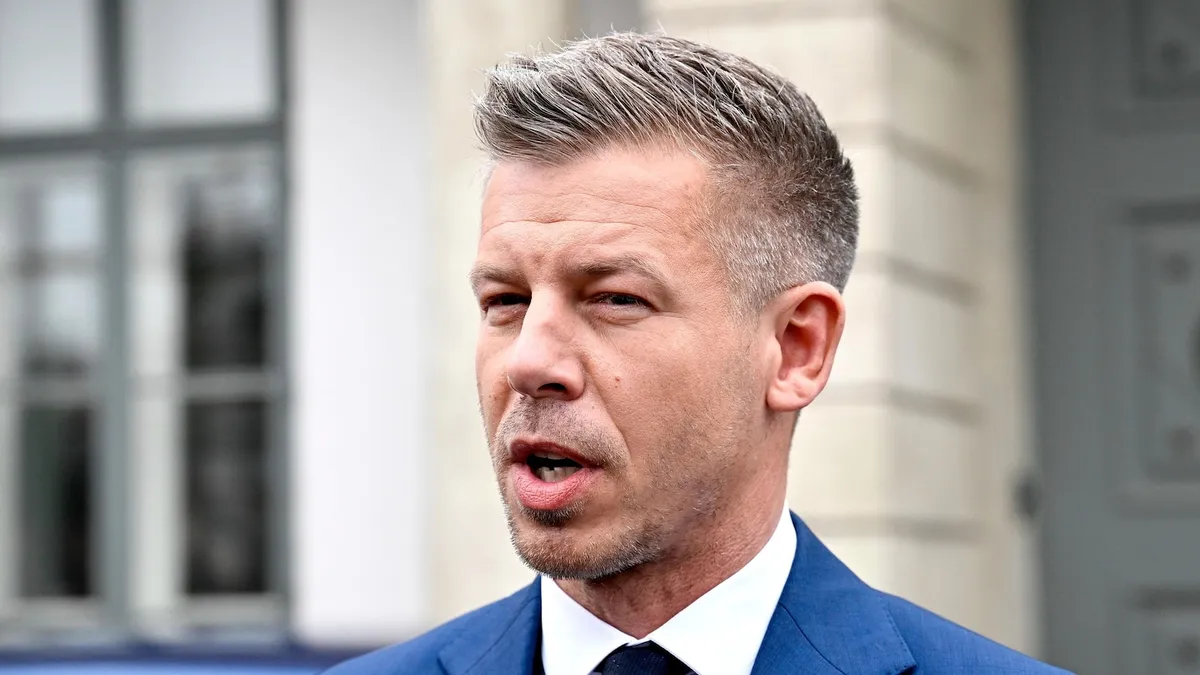
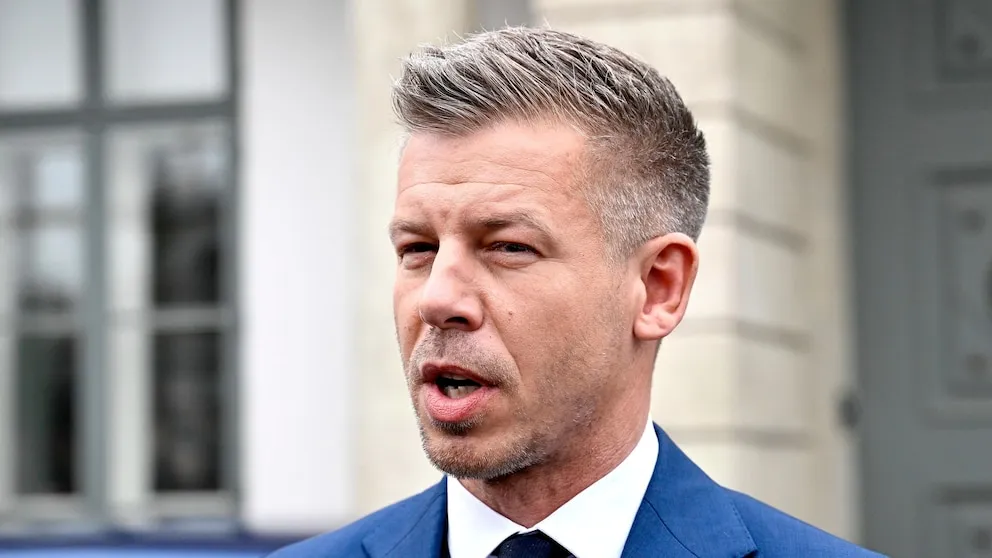
Hungarian opposition leader Péter Magyar has said the country's president assured him that a new government led by his movement could assume power during the first week of May, according to a report by ABC News.
Magyar, who leads the Tisza Party and has emerged as the most prominent challenger to Prime Minister Viktor Orbán, made the statement publicly, signaling growing confidence within the opposition camp about a potential shift in Hungary's political landscape.
The claim represents a significant development in Hungarian politics, where Orbán's Fidesz party has held a firm grip on power for well over a decade. Magyar has positioned himself as the central figure of a reinvigorated opposition movement, drawing large crowds at rallies and consolidating support from voters disillusioned with Orbán's long rule.
Magyar did not provide extensive detail about the nature of his conversation with the president, and independent confirmation of the assurances he described was not immediately available at the time of reporting.
Hungary's political system grants the president a largely ceremonial role, with executive power resting primarily with the prime minister and the ruling parliamentary majority. Any transition of government would depend on the outcome of parliamentary processes and elections rather than presidential discretion alone.
Orbán has governed Hungary since 2010 and has faced sustained criticism from European Union institutions over concerns about democratic backsliding, judicial independence, and media freedom. His government has repeatedly clashed with Brussels over rule-of-law standards and Hungary's foreign policy positions, including its stance on the war in Ukraine.
Magyar rose to national prominence after publicly criticizing the Orbán government, including allegations of corruption and abuse of power. His movement gained traction ahead of the European Parliament elections in 2024, in which Tisza performed strongly, suggesting a meaningful erosion of Fidesz's dominance.
The next Hungarian parliamentary elections are expected in 2026, making the early May timeline cited by Magyar difficult to reconcile with the current electoral calendar unless extraordinary political circumstances were to intervene.
Further clarification from Magyar's office or Hungarian government officials had not been issued at the time the ABC News report was published.