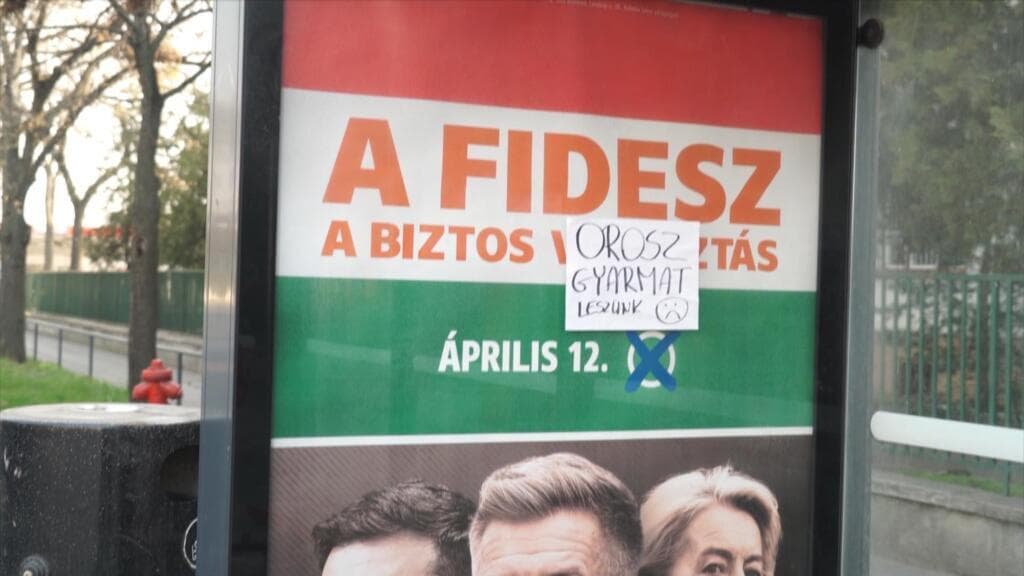
A pivotal election in Hungary on Sunday could reshape the country's political landscape and send ripples across Europe, as a resurgent opposition challenges Prime Minister Viktor Orban's long dominance of Hungarian politics, according to reporting by France 24.
Orban has held power since 2010, during which time his government has pursued what critics describe as illiberal democratic policies. Those policies have earned Hungary the distinction of being the only European Union member state classified as 'partly free' by Freedom House, the U.S.-based democracy watchdog.
A strained relationship with the EU
Hungary's trajectory under Orban has placed it in persistent tension with Brussels. The country has clashed with EU institutions over the rule of law, judicial independence, and press freedom - disputes that have at times led to the freezing of EU funds earmarked for Budapest.
Orban's foreign policy stance has added further friction. His government has maintained close ties with Russian President Vladimir Putin, a position that has complicated the EU's ability to forge a unified response to Russia's ongoing war in Ukraine. Hungary has repeatedly blocked or delayed European sanctions packages and military aid proposals.
A model for the far right - and its challengers
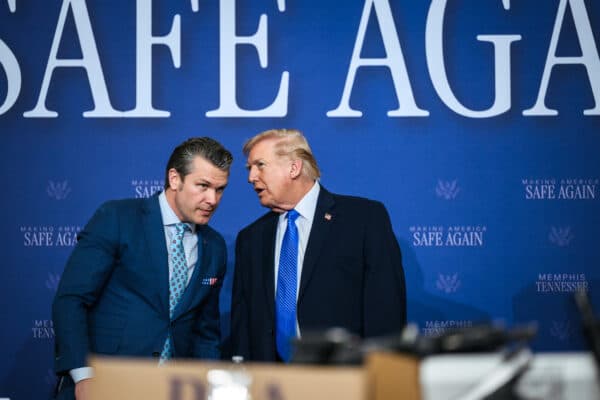
Beyond its internal politics, Hungary under Orban has functioned as a reference point for far-right and national-conservative movements across Europe and the United States. His blending of nationalist rhetoric, centralized media control, and electoral system changes has been studied and in some cases emulated by like-minded political actors abroad.
The current election presents what analysts describe as one of the more credible challenges Orban has faced. An opposition that has historically struggled with fragmentation appears more consolidated heading into Sunday's vote, raising the possibility of a meaningful shift in Hungary's political direction.
What is at stake
The outcome carries significance beyond domestic politics. A weakened Orban - or an outright opposition victory - could alter Hungary's posture within the EU, potentially easing one of the bloc's most persistent internal fault lines. Conversely, a renewed Orban mandate would likely reinforce his government's current course.
France 24 noted that the election's repercussions could extend far beyond Hungary's borders, given the country's symbolic role in European debates over democratic backsliding and the limits of EU cohesion.
Results from Sunday's vote are expected to become clear in the hours following poll closures.