Voters in Hungary headed to the polls on Sunday in a parliamentary election that could mark the end of Prime Minister Viktor Orbán's long grip on power, according to reporting by France 24.
Orbán, who has led Hungary for 16 consecutive years, faces his most serious electoral challenge yet from opposition candidate Péter Magyar, whose campaign has galvanized voters opposed to the incumbent's nationalist and populist governing style.
A pivotal moment for Hungarian politics
The election has drawn significant attention across Europe, where Orbán's government has repeatedly clashed with European Union institutions over issues including rule of law, press freedom, and Hungary's stance toward Russia. Observers across the continent have been watching the vote as a potential indicator of the durability of nationalist political movements in Central Europe.
Magyar, who leads the opposition challenge, has positioned himself as a departure from Orbán's political model, drawing large crowds during his campaign and energizing segments of the Hungarian electorate that had previously appeared disengaged.
International dimensions
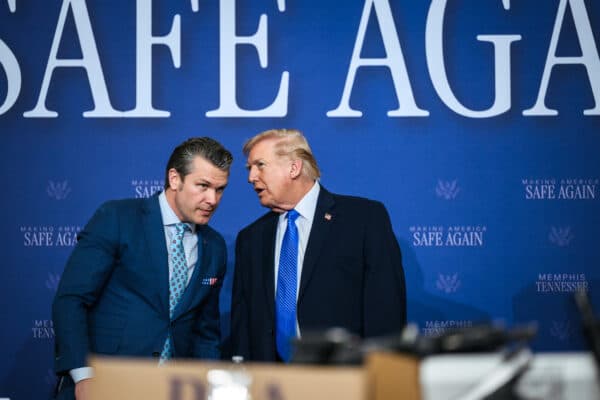
The contest has also attracted international attention beyond Europe. US President Donald Trump has expressed backing for Orbán ahead of the vote, according to France 24. Orbán has maintained close ties with Trump and has frequently aligned himself with right-wing political figures in the United States and elsewhere.
Trump's support underscores the degree to which the Hungarian election has become entangled with broader global debates about the direction of conservative and nationalist politics in Western democracies.
What is at stake
A victory for Magyar would represent a significant political shift in a country that Orbán's Fidesz party has dominated since 2010. During that period, the government has overseen sweeping changes to Hungary's constitutional framework, judiciary, and media landscape - changes that critics say have weakened democratic institutions, and that Orbán's supporters argue reflect the will of Hungarian voters.
Orbán has remained a polarizing figure internationally, cultivating close relationships with Moscow and Beijing while often finding himself at odds with NATO partners and EU allies over foreign policy positions.
Results from the election were expected to emerge as counting progressed through Sunday evening and into Monday.