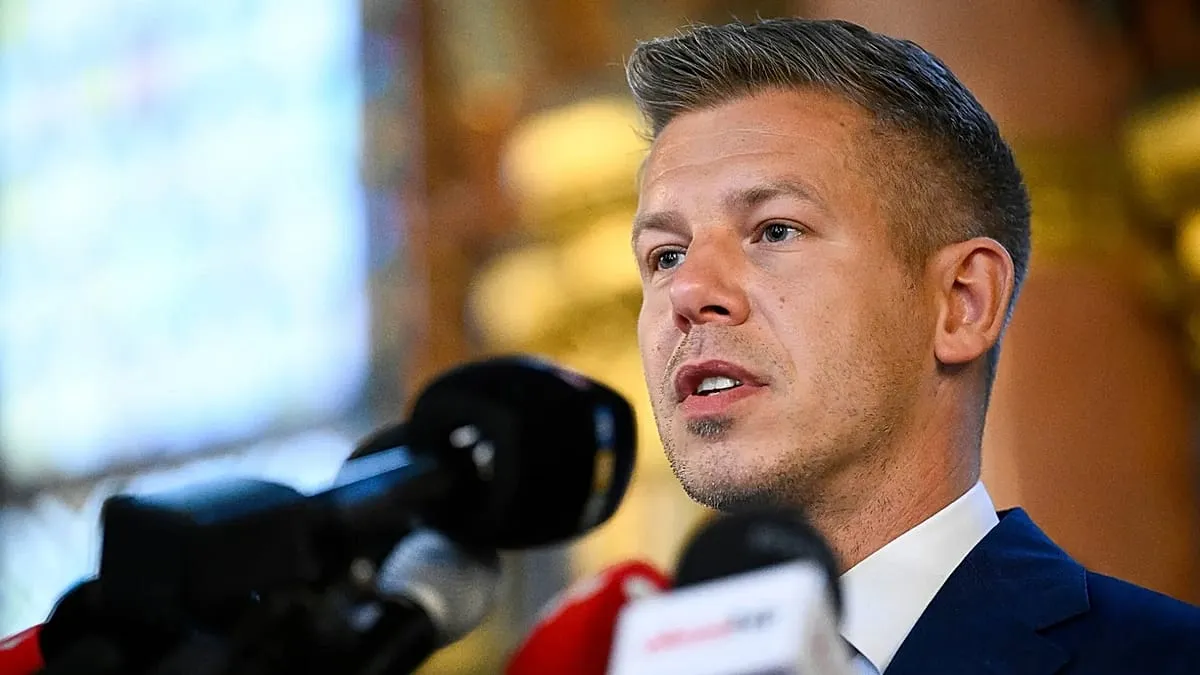
In a move that would make even the most seasoned political satire writers put down their pens in defeat, Hungary's Péter Magyar - the man who rode a wave of anti-corruption outrage straight into power - has appointed his own brother-in-law as the country's justice minister, according to Euronews.
Magyar, for context, built his entire political brand on dismantling the cronyism and institutional rot that former Prime Minister Viktor Orbán allegedly spent 16 years carefully constructing. Orbán, who held power for a frankly geological stretch of time, was repeatedly accused of stacking courts, weakening independent institutions, and generally turning Hungarian democracy into his personal renovation project.
Magyar campaigned hard on reversing all of that - restoring checks and balances, cleaning up the swamp, the whole theatrical package. Voters, tired of watching Orbán play monopoly with Hungarian governance, were apparently convinced.
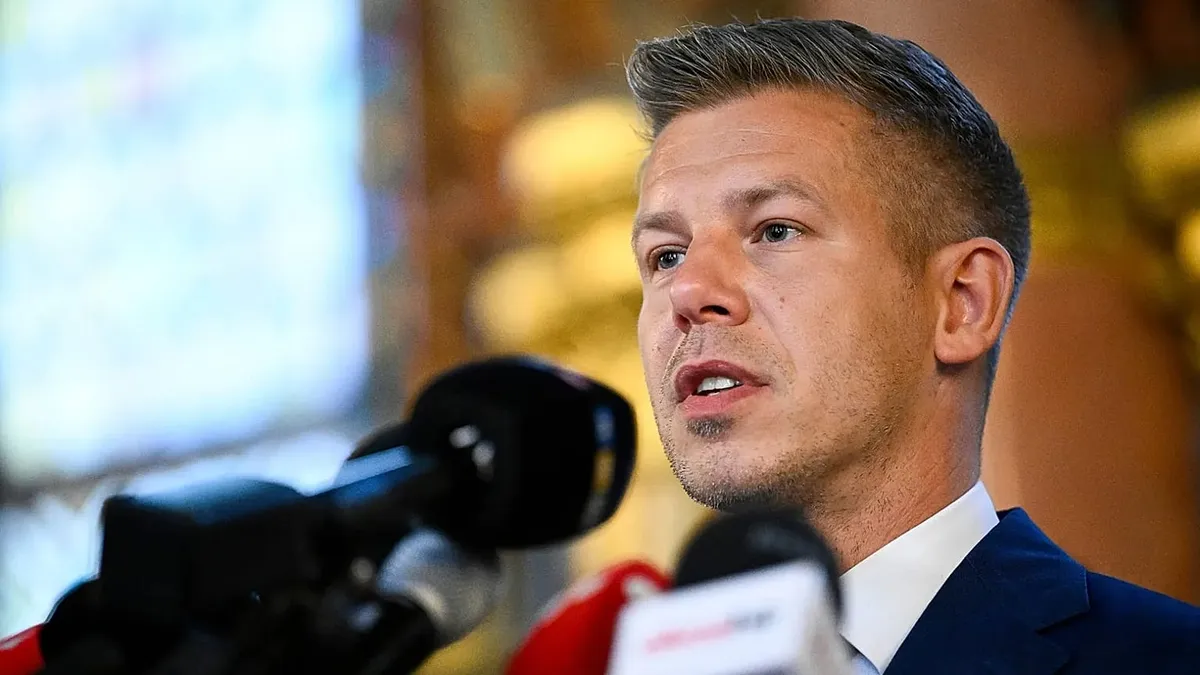
So about those checks and balances...
Now in power, Magyar is defending his decision to hand one of the country's most sensitive legal positions - the justice ministry, which oversees the courts and the rule of law - to a family member. The irony here is so thick you could serve it at a state dinner.
To be fair, Magyar has reportedly offered a defense of the appointment, though the very fact that a defense is necessary tells its own story. Supporters argue the brother-in-law may be genuinely qualified, and that judging an appointment solely on family ties is itself unfair.
Critics, however, are pointing out the obvious: when your entire political identity is built on fighting nepotism and insider networks, appointing a relative to a key cabinet post in the first months of your government is what diplomats call "a messaging problem" and what everyone else calls a spectacular own goal.
The Orbán ghost looms large
What makes this particularly spicy is the comparison it invites. Orbán's critics spent years documenting how family connections and political loyalty trumped merit in Hungarian public life. Magyar positioned himself as the corrective - the clean break. Whether this appointment represents a pragmatic decision or an early sign that power has its own gravitational pull toward old habits remains to be seen.
Hungarian politics, it turns out, may be less of a swamp that needs draining and more of a swimming pool - the water changes, but the shape stays the same.
Magyar's government is young, and one appointment does not a kleptocracy make. But for a leader whose moral authority rests almost entirely on being different, the optics of this one are going to need more than a press statement to wash off.