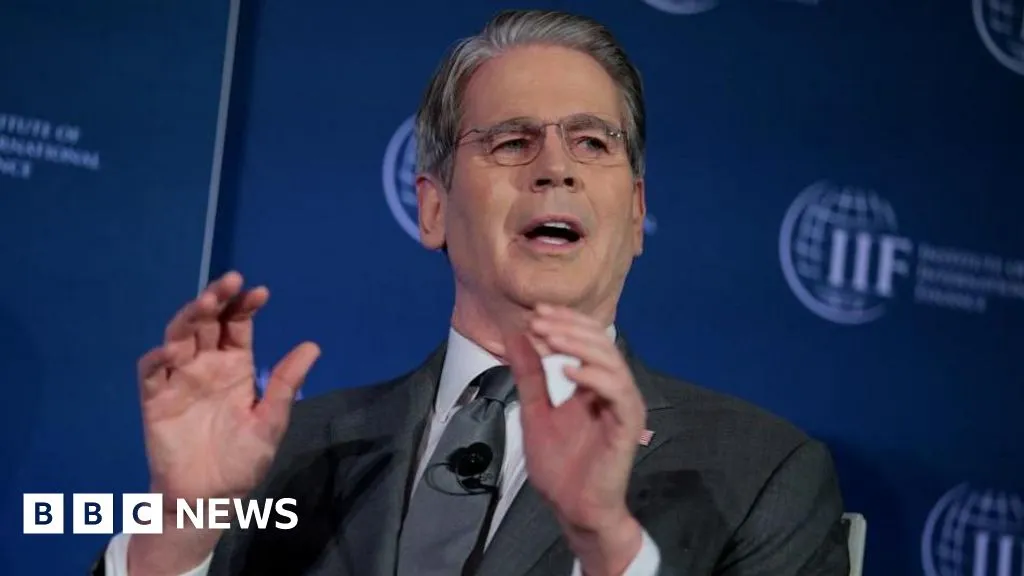
US Treasury Secretary Scott Bessent has argued that accepting some degree of economic disruption is a worthwhile trade-off for neutralizing the threat posed by Iran to Western capitals, according to an interview with the BBC.
Bessent described the potential economic impact as a "small bit of economic pain," framing it as an acceptable cost in pursuit of long-term security objectives. His comments reflect the broader posture of the Trump administration, which has intensified pressure on Tehran through a combination of sanctions and diplomatic maneuvering.

The security argument
The Treasury Secretary specifically cited the threat of Iranian strikes on Western capitals as a central justification for the administration's approach. By accepting short-term economic friction, Bessent argued, the United States and its allies could achieve a more stable and secure environment over a longer horizon.
The remarks come amid ongoing tensions between Washington and Tehran, with the US pushing for a new nuclear agreement while maintaining and in some cases expanding existing sanctions regimes against Iran. The Trump administration has pursued what it describes as a maximum pressure campaign designed to force Iran back to the negotiating table under more favorable terms.
Economic dimensions of the strategy
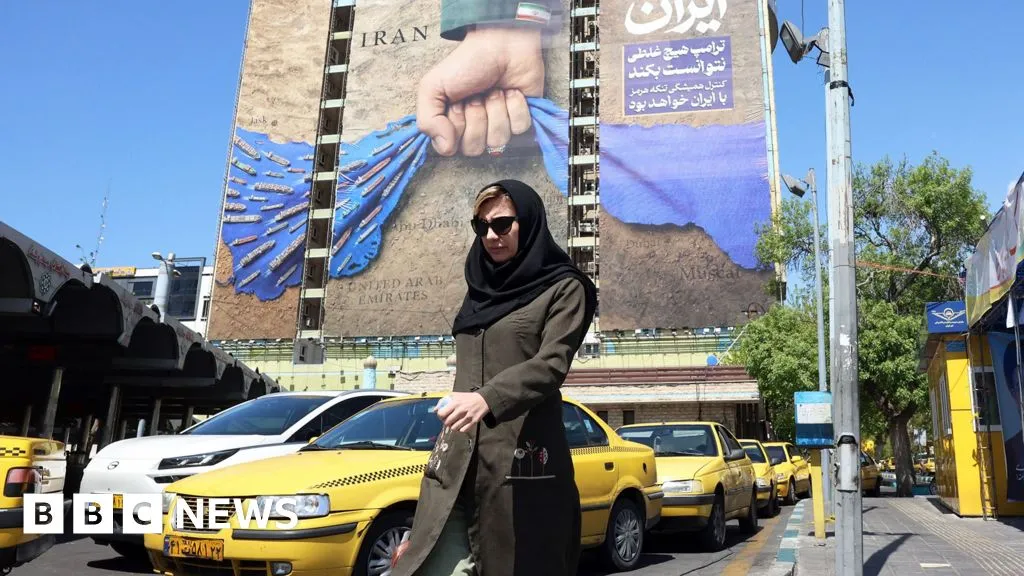
Bessent's acknowledgment of economic costs is notable given his role overseeing the US Treasury. Sanctions-based strategies frequently carry secondary consequences for global energy markets, as Iran remains a significant oil producer. Any disruption to Iranian oil exports or escalation of regional tensions can affect prices and supply chains internationally.
Critics of maximum pressure policies have argued in the past that such approaches can impose costs not just on target nations but on allied economies and global markets, while not always producing the intended diplomatic outcomes. The Bessent interview did not detail specific economic projections or define the scope of the "pain" he referenced.
Broader context
The comments follow a period of intensive diplomatic activity surrounding Iran's nuclear program. US and Iranian officials have held several rounds of indirect talks, mediated in part by Omani intermediaries, though no agreement has been reached as of this writing.
Iran has consistently denied seeking to develop nuclear weapons, while Western governments and international inspectors have raised concerns about the pace and scope of its uranium enrichment activities.
Bessent's remarks to the BBC signal that the administration views its current leverage as sufficient justification to absorb whatever economic turbulence the strategy may generate, at least in the near term.