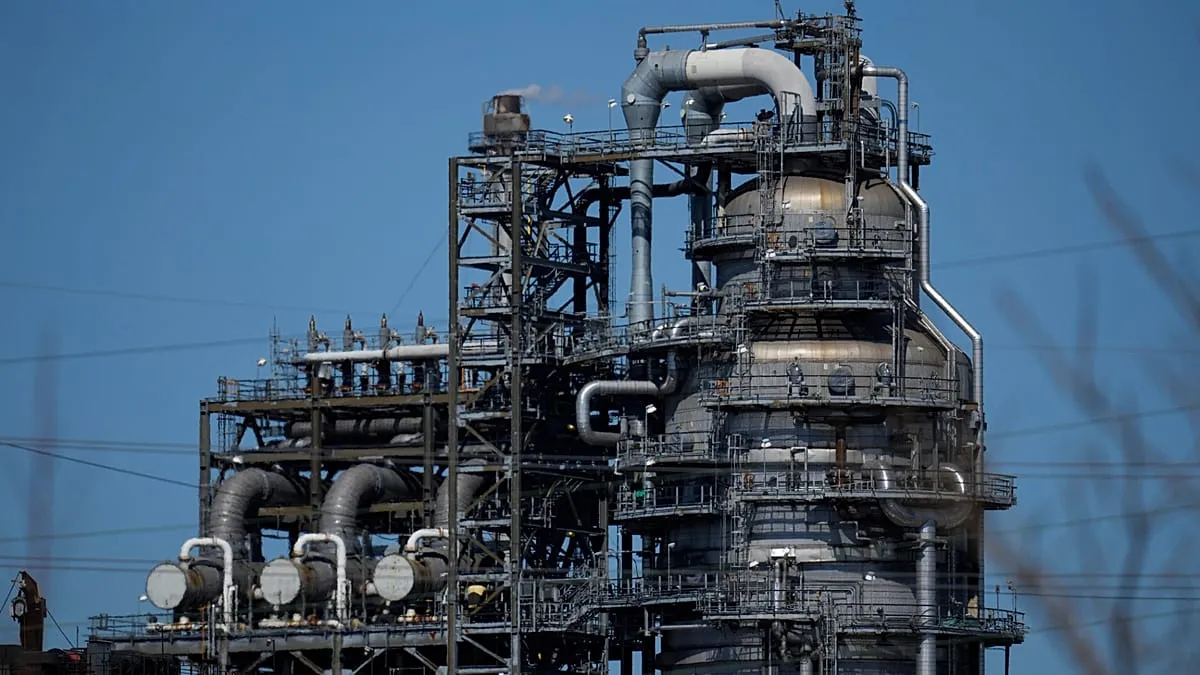
The International Energy Agency has issued a stark warning about what it describes as the most serious energy security threat the world has ever faced, with its executive director cautioning that oil prices could climb further as a major supply disruption intensifies.
IEA Executive Director Fatih Birol said on Monday that no new energy shipments had been loaded in April, a development he described as a sign that the ongoing crisis is worsening and could carry significant consequences for both global energy markets and the broader economy.
The absence of new shipments marks a sharp escalation in what analysts have been tracking as a deepening supply-side crisis. Birol's comments suggest the situation has moved beyond a temporary disruption and into a prolonged episode that policymakers and energy markets will need to respond to urgently.
Price pressure and economic fallout
The IEA's warning comes at a time when energy markets are already under strain from a range of geopolitical and economic pressures. A halt in shipment loading activity removes supply from an already tight global market, typically placing upward pressure on crude oil prices.
Higher energy costs carry a cascading effect across economies - raising transportation expenses, pushing up the cost of manufactured goods, and increasing household energy bills. For energy-importing nations, particularly those in Europe and Asia, a sustained rise in oil prices could complicate efforts to manage inflation and sustain economic growth.
A historic scale of disruption
Birol's framing of the current situation as the largest energy security threat in history is a significant escalation in language from one of the world's most authoritative energy bodies. The IEA, which was founded in 1974 in response to the Arab oil embargo, has long served as a coordinating body for energy policy among major economies.
The agency has not yet detailed the specific source or causes of the disruption in full, but the signal sent by the complete absence of new April shipments indicates the problem is both immediate and potentially prolonged.
Governments and energy agencies are expected to monitor the situation closely in the coming days as markets assess the full scope of the supply interruption and its likely duration.