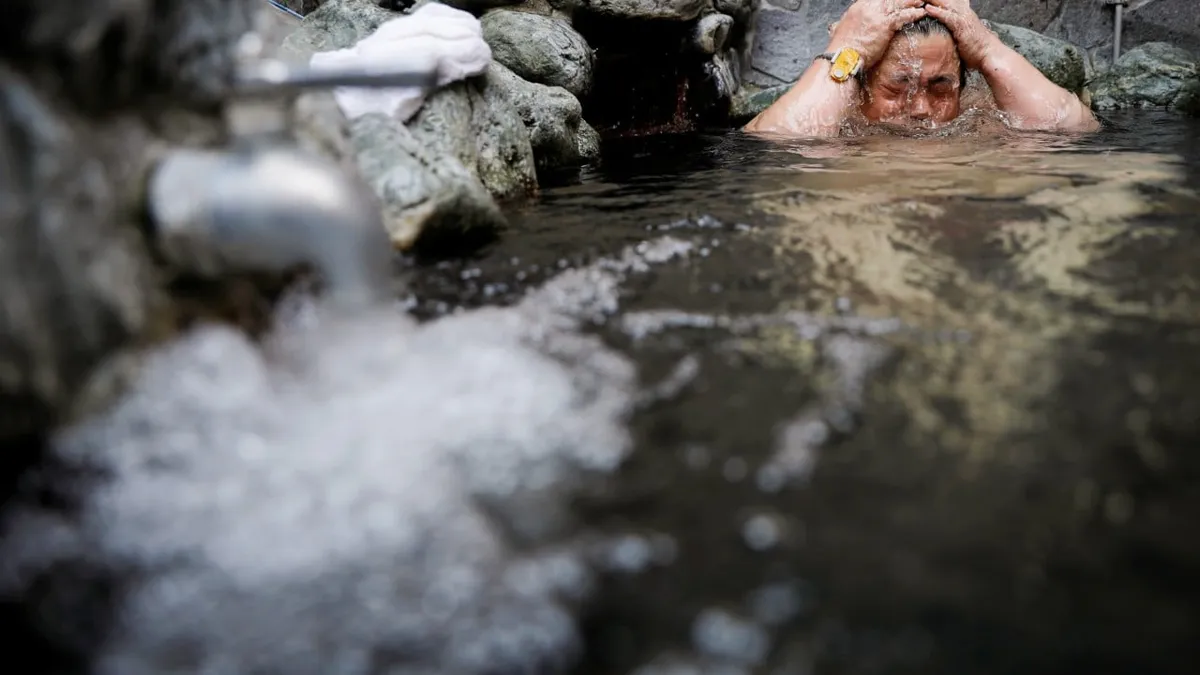
Japan's centuries-old tradition of communal public bathing is under severe strain, as soaring energy costs driven by Middle East oil supply disruptions push a growing number of sento - traditional public bathhouses - toward reduced hours or permanent closure, according to reporting by the South China Morning Post.
Sento have long served as neighborhood gathering places across Japan, offering affordable bathing facilities to the public. But operators are now facing a sharp rise in fuel costs needed to heat their large communal baths, placing them in a difficult financial position.
A compounding crisis
The energy price surge arrives on top of challenges that were already threatening the sector. Many sento are run by aging owners who lack successors willing to take over the labor-intensive businesses. At the same time, the customer base has been shrinking for decades, as more Japanese homes have been built with private bathrooms, reducing reliance on communal facilities.
The latest pressure - elevated oil prices linked to disruptions in Middle East supply - has added a significant new burden. Unlike many other businesses, sento operators cannot easily pass these higher costs on to customers. Entry prices at public bathhouses in Japan are regulated by local governments, meaning operators have limited ability to raise fees to offset rising expenditures.
Hours cut, doors closing
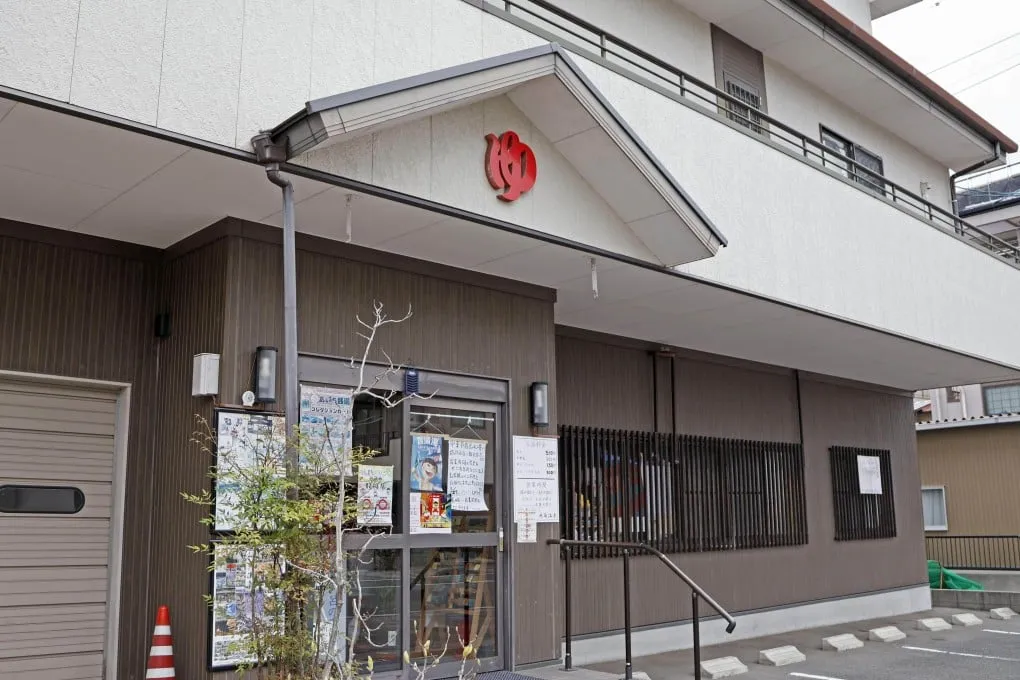
Faced with this combination of fixed revenue and rising costs, some bathhouse owners have responded by shortening their operating hours to reduce fuel consumption. Others have been forced to shut down entirely, further eroding a cultural institution that has existed in Japan for hundreds of years.
The closures represent not only an economic loss but a cultural one. Sento have historically functioned as informal community centers, particularly in urban neighborhoods, where residents from different backgrounds bathed side by side and exchanged conversation.
A tradition under pressure
The number of sento operating across Japan has declined sharply over several decades. At their postwar peak, tens of thousands of bathhouses operated nationwide. That number has fallen dramatically as private bathing became standard in Japanese households.
Efforts to preserve the remaining bathhouses have included renovations, cultural designation programs, and campaigns aimed at younger generations. However, the combination of structural demographic shifts and the current energy crisis is testing those initiatives.
Whether government intervention - such as energy subsidies or relaxed pricing regulations - will be introduced to help stabilize the sector remains unclear. For now, operators are navigating the pressure largely on their own, with each closure marking the end of a local landmark for the communities that relied on it.