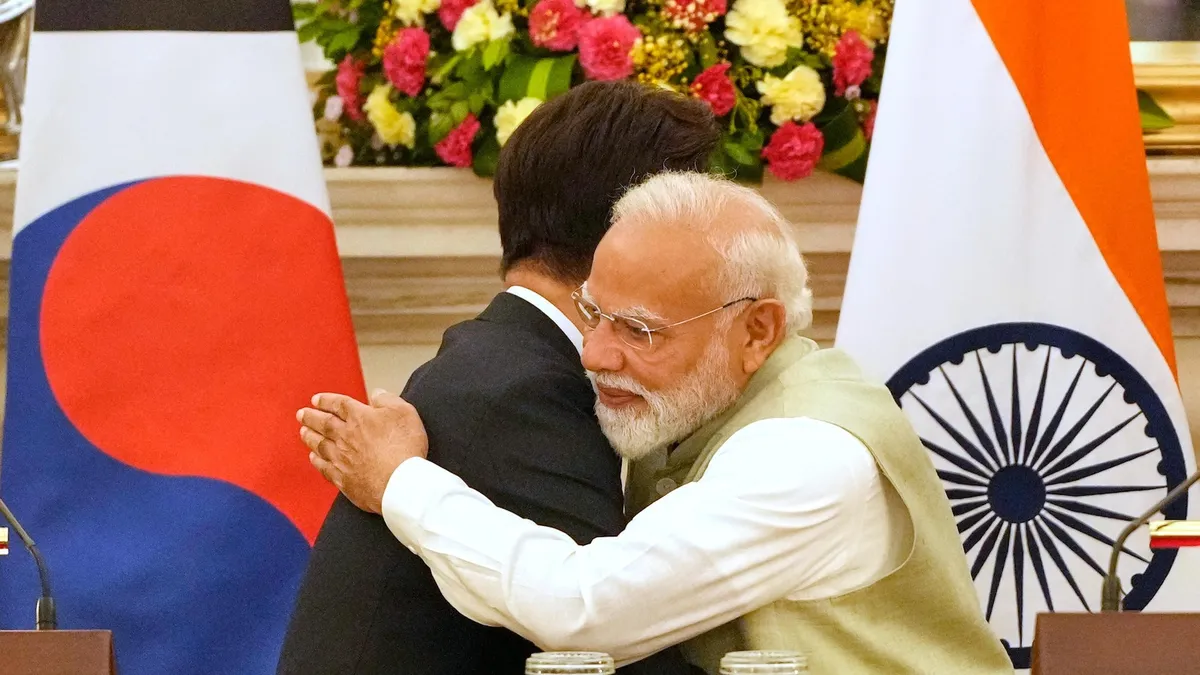
India and South Korea have agreed to nearly double their bilateral trade to $50 billion by 2030, up from approximately $27 billion currently, according to a report by ABC News citing wire service reporting.
The agreement signals a significant deepening of economic ties between Asia's third-largest economy and one of its leading technology and manufacturing exporters. The two countries would need to sustain substantial growth in trade volumes over the next several years to meet the target.
Strategic and economic context
South Korea is a major exporter of semiconductors, electronics, automobiles, and industrial machinery - sectors that align closely with India's domestic manufacturing ambitions. India, in turn, offers a large and growing consumer market, a young workforce, and increasing production capacity across multiple industries.
The announcement comes as both nations seek to diversify their economic partnerships amid shifting global supply chains. Companies and governments across Asia have accelerated efforts to reduce dependence on single trade partners in recent years, and bilateral agreements of this kind reflect that broader trend.
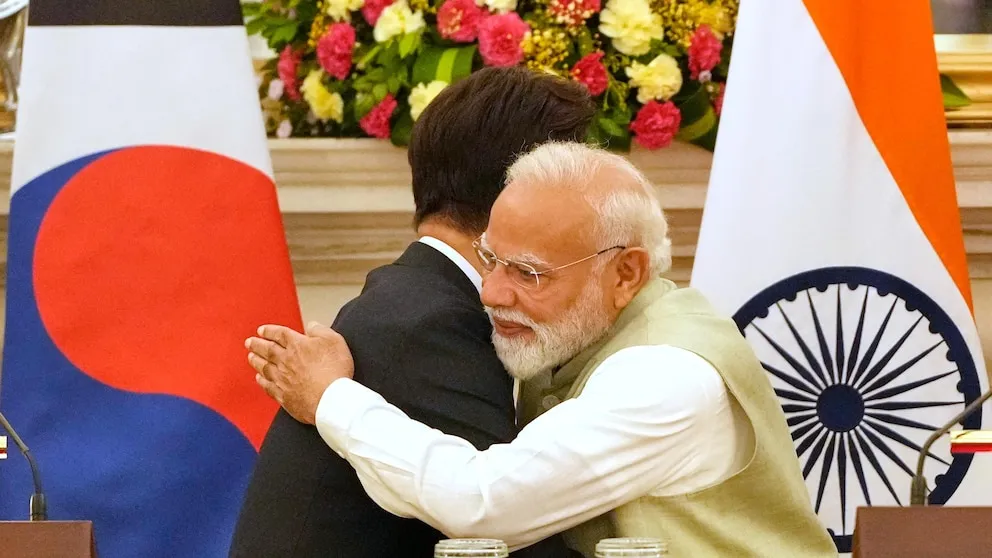
Broader diplomatic ties
Trade relations between the two countries have expanded steadily since India and South Korea signed a Comprehensive Economic Partnership Agreement in 2010. That agreement reduced tariffs on a wide range of goods and set the foundation for growing commercial ties.
India has positioned itself as a key destination for foreign investment under its Make in India initiative, which seeks to attract manufacturing from global firms. South Korean conglomerates, including Samsung and Hyundai, already have a significant industrial presence in India, which could support further trade growth.
Path to the target
Reaching the $50 billion threshold by 2030 would require average annual trade growth of roughly 9 percent over the remaining years of the decade, based on the current $27 billion baseline. Whether the two economies can sustain that pace will depend on global demand conditions, tariff negotiations, and the success of ongoing investment projects.
Officials from both governments have not publicly outlined specific sector-by-sector plans to close the gap, though the agreement itself reflects political commitment at the leadership level to expanding the economic relationship.