The United Arab Emirates' potential departure from OPEC could significantly weaken the cartel's ability to control global oil prices, according to an analysis published by the BBC using five key data visualizations.
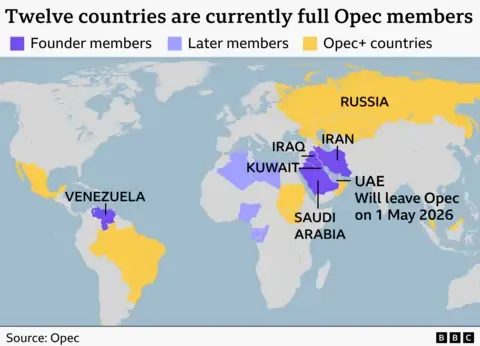
The UAE has long been one of OPEC's most consequential members, holding substantial production capacity and proven reserves. Its exit would reduce the group's collective output capability at a time when the organization is already navigating internal disagreements over production quotas.
Production capacity at stake
The UAE has invested heavily in expanding its oil production infrastructure in recent years, with Abu Dhabi's state-owned energy company ADNOC pursuing aggressive growth targets. That capacity, if no longer coordinated through OPEC's quota system, could enter the market independently - potentially undercutting the cartel's pricing strategies.
OPEC and its allied partners, collectively known as OPEC+, have relied on coordinated output cuts to support oil prices since the group's formation in 2016. The BBC's analysis suggests that a UAE withdrawal would leave the remaining members with less combined leverage over global supply.
Market share and influence
The Gulf nation's share of total OPEC production has grown considerably, making it one of the bloc's top producers alongside Saudi Arabia, Iraq, and Iran. Losing the UAE's output from coordinated agreements could make it harder for the remaining members to enforce discipline among producers, a persistent challenge for the cartel.
Tensions between the UAE and Saudi Arabia over production quotas surfaced publicly in 2021, when disagreements over baseline production levels temporarily stalled broader OPEC+ negotiations. Those underlying disputes have continued to simmer, raising questions about the long-term cohesion of the alliance.

Broader implications for oil markets
An independent UAE operating outside OPEC's framework could align more closely with market demand rather than cartel directives, analysts have noted. This would give Abu Dhabi greater flexibility to scale production in line with its own economic targets, including its stated goal of reaching 5 million barrels per day of capacity.
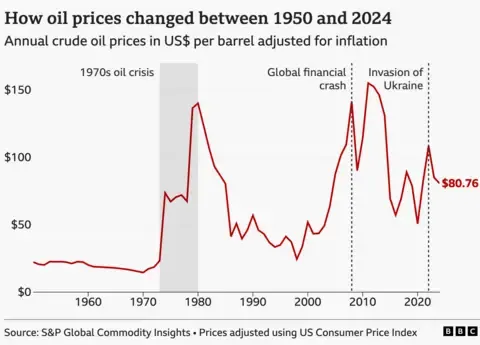
For global consumers and importing nations, a weakened OPEC could mean reduced ability by producer nations to prop up prices through coordinated cuts - though it could equally introduce new volatility if disciplined output management breaks down.
The BBC's data-driven report stops short of confirming a formal UAE exit, but frames the scenario as one with significant consequences for the structure of the international oil market and the future of OPEC as a price-setting institution.