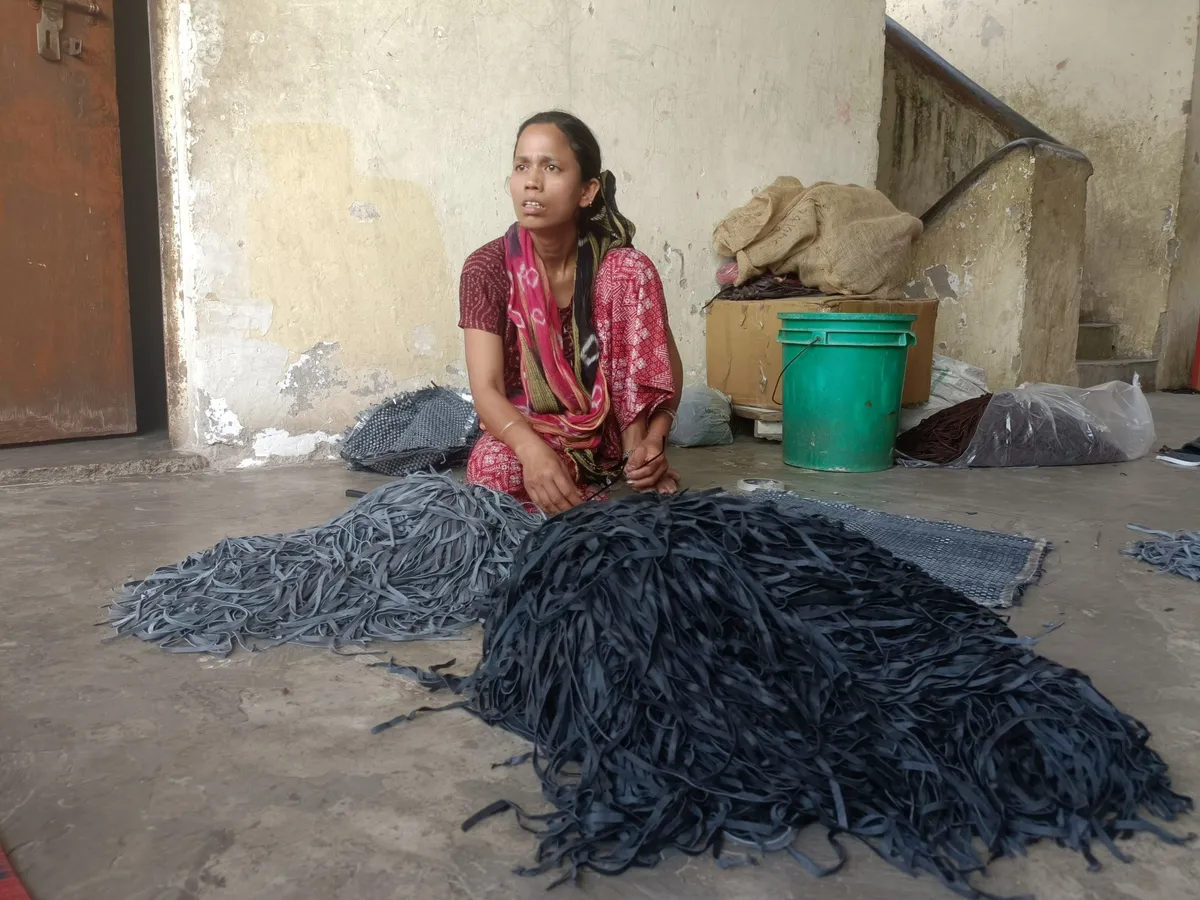
Thirty years ago, the International Labour Organization (ILO) did something genuinely radical - it looked at the hundreds of millions of people making goods from their living rooms, courtyards, and kitchen tables, and said: 'Yes, you count too.' Convention 177, adopted on June 20, 1996, formally recognized home-based workers as legitimate laborers deserving the same protections as traditional wage earners. Cue the confetti. Now cue the awkward silence.
Because here in 2026, as the convention hits its pearl anniversary, India's home-based workers - a workforce numbering in the tens of millions, predominantly women - are still largely outside the formal labor protection net, according to reporting by Al Jazeera.
What exactly is Convention 177?
The ILO's Convention 177 was designed to put home-based workers on equal legal footing with their factory-floor counterparts. That means equal pay principles, safe working conditions, social security access, and the right to organize. On paper, it is a thoroughly decent document. In practice, ratification has been embarrassingly sparse globally - and India, one of the countries with the largest home-based workforce on the planet, has not ratified it.
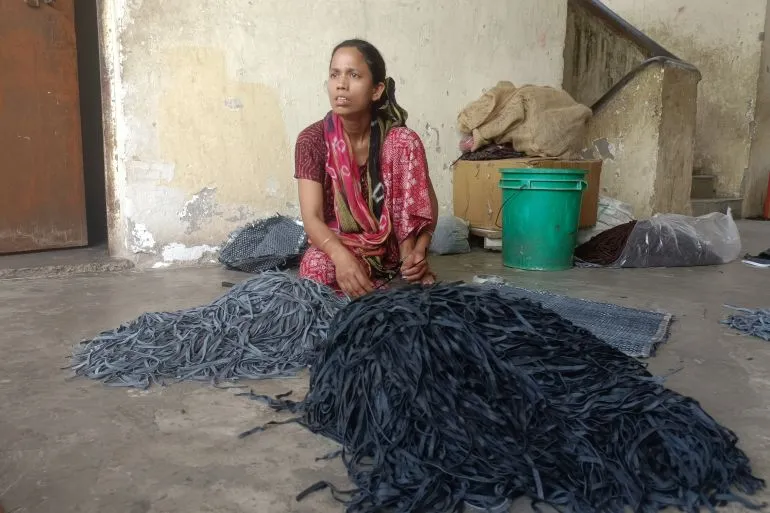
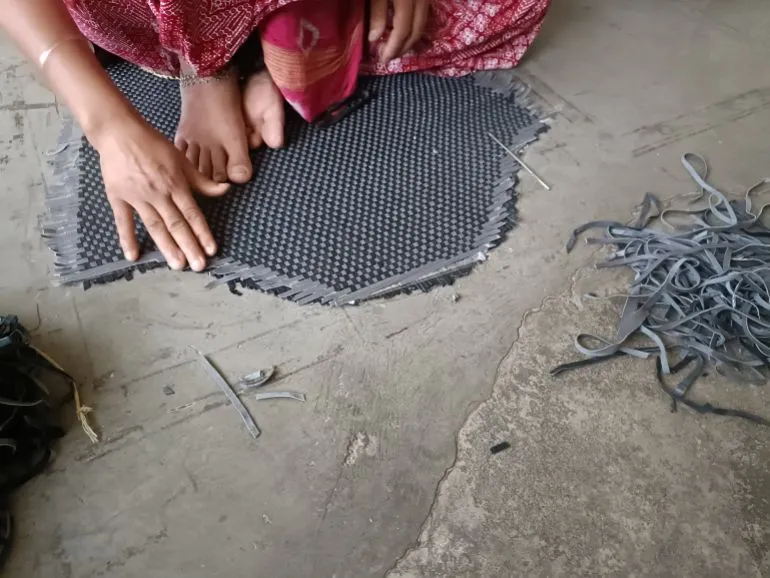
These workers typically take on piece-rate work - rolling incense sticks (agarbatti), hand-rolling beedis (small cigarettes), stitching garments, making jewelry, assembling electronics - and are paid per unit produced rather than per hour worked. This makes them extremely vulnerable to wage manipulation and entirely invisible to most labor statistics.
So what are workers actually demanding?
As reported by Al Jazeera, home-based workers and their advocates are calling on the Indian government to formally recognize this category of workers in labor law, ensure access to social protection schemes, and - crucially - ratify Convention 177. They argue that without legal recognition, there is no floor on exploitation, no ceiling on working hours, and no safety net when work dries up.
The cruel irony is that the COVID-19 pandemic massively expanded home-based work globally - yet policymakers largely responded by protecting formal sector employees and leaving the informal home-based workforce to figure it out.
Why does this still matter in 2026?
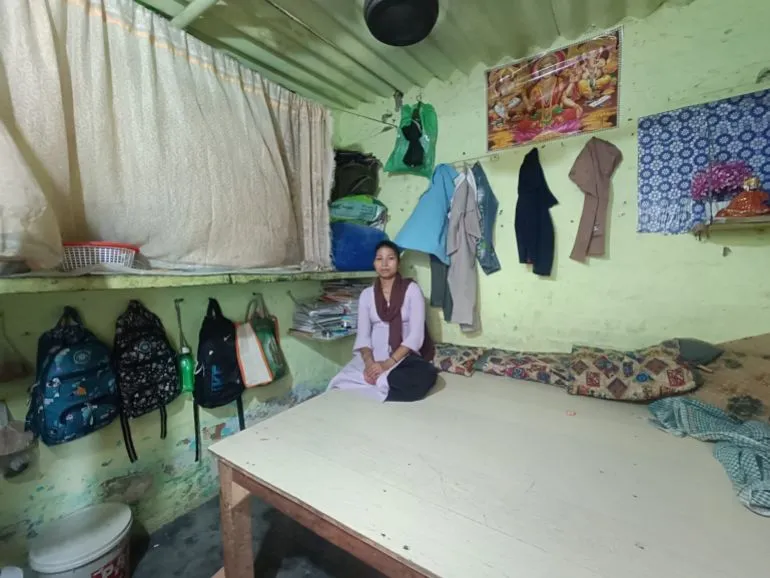
Because the global supply chain runs, in no small part, through people's homes. That decorative item, that hand-stitched accessory, that rolled product - there is a real chance someone made it at a kitchen table for a fraction of a fair wage, with zero labor protections. Thirty years after the ILO drew a line in the sand, the workers are still waiting on the other side of it.
As the convention's 30th birthday passes, the message from India's home-based workforce is both simple and a little heartbreaking: 'We were recognized. Now please act like it.'