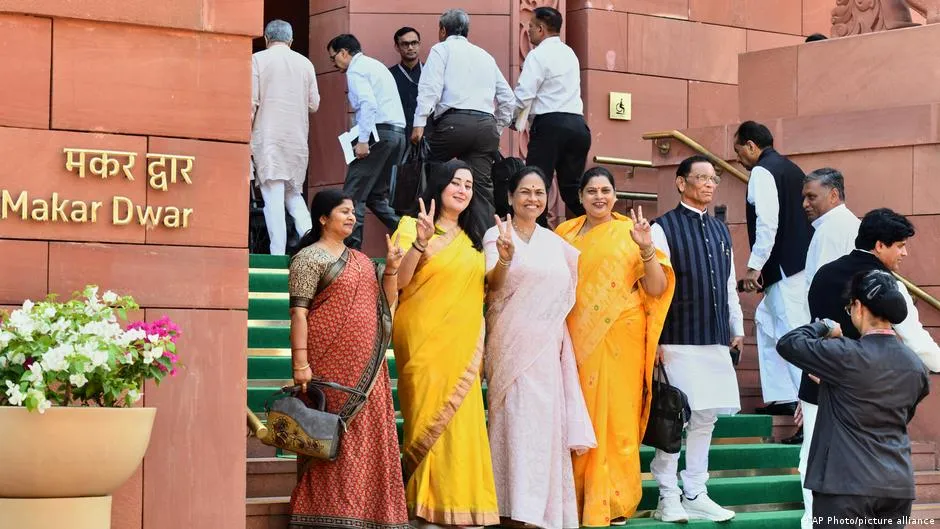
India's parliament is weighing two significant pieces of legislation that could reshape the country's political landscape: a constitutional amendment reserving seats for women and a delimitation bill that would redraw parliamentary constituencies, according to reporting by Deutsche Welle.
The Narendra Modi-led government is seeking passage of a women's quota measure that would reserve a portion of seats in parliament and state legislatures for female candidates. The push comes alongside a separate but related effort to overhaul how parliamentary seats are allocated across the country's states.
Opposition raises concerns
Opposition parties have voiced reservations about both bills, casting doubt on the government's motivations behind the legislative push. Critics have questioned whether the timing and structure of the proposed measures serve political interests rather than the stated goals of increasing women's representation and ensuring fair electoral distribution.
The delimitation process, which involves redrawing constituency boundaries based on population data, is particularly sensitive in India. Southern states, which have historically managed population growth more effectively than northern states, have long expressed concern that a redrawing of seats based on current population figures could reduce their political influence in parliament relative to more populous northern states.
Women's representation in focus
India has lagged behind many democracies in female parliamentary representation. A quota system has been debated for decades, with earlier attempts at similar legislation failing to advance. Proponents argue that reserved seats are necessary to overcome structural barriers that have kept women underrepresented in elected office.
The Modi government has framed the legislation as a historic step toward gender equity in Indian politics. However, opposition figures have questioned whether implementation timelines and conditions attached to the bill would delay any meaningful change, potentially linking the quota's activation to the completion of a census and the delimitation exercise - a process that could take years.
Legislative path uncertain
The outcome of the parliamentary votes remains uncertain as the opposition mounts resistance. The debate reflects broader tensions between the ruling Bharatiya Janata Party and opposition coalitions over the direction and pace of electoral reform in the world's most populous democracy.
The developments come at a politically charged moment in India, with general elections on the horizon and both the government and opposition seeking to define their positions on issues of representation and democratic structure, as reported by Deutsche Welle.