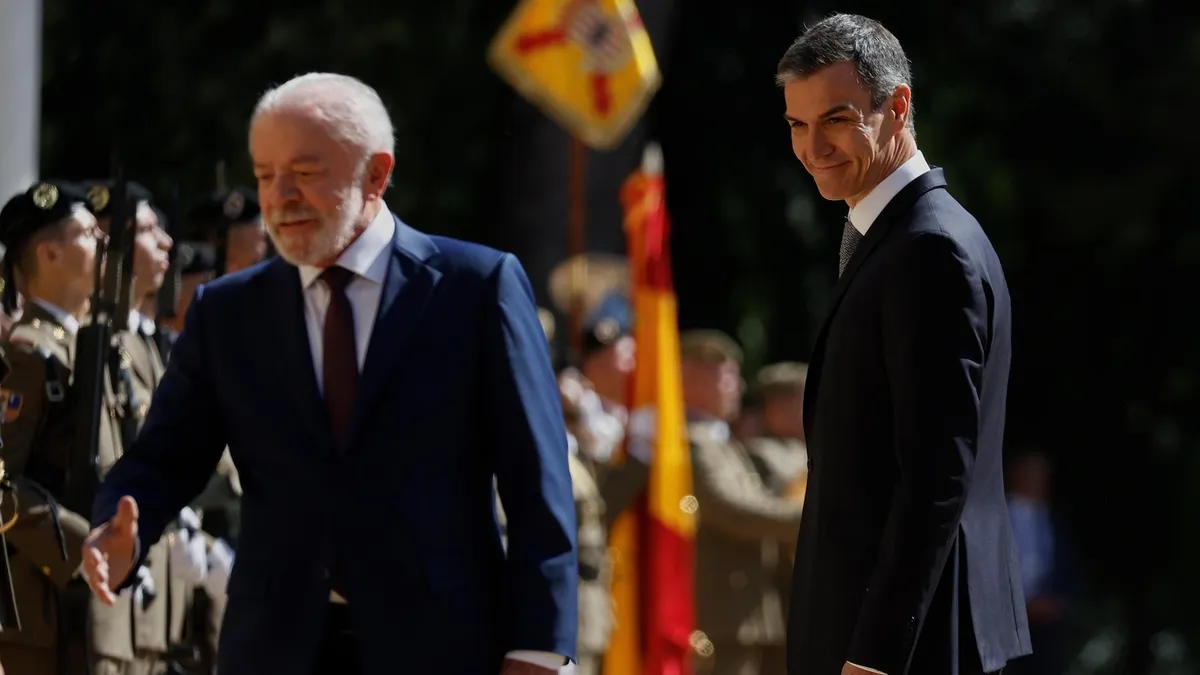
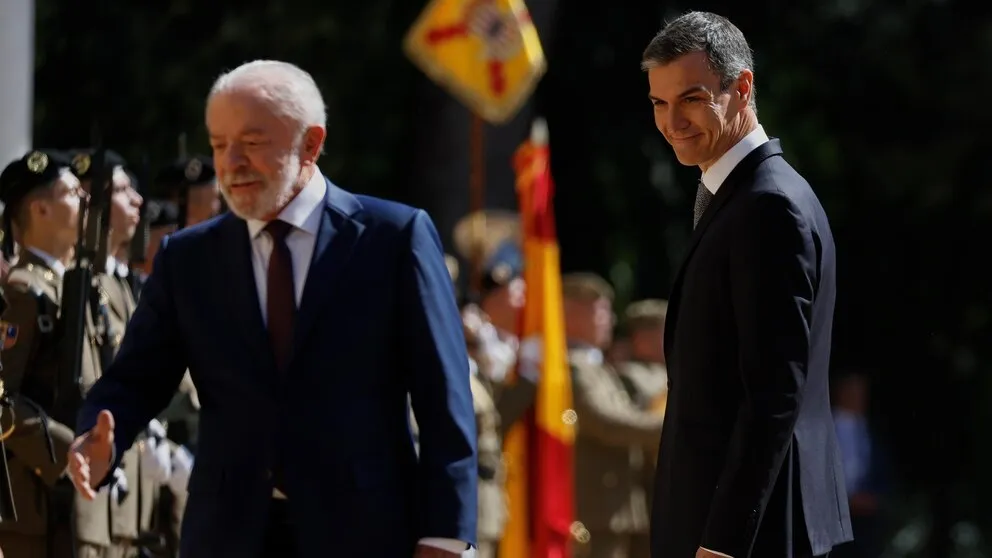
Brazilian President Luiz Inácio Lula da Silva arrived in Spain on Tuesday for a two-day visit centered on high-level meetings with his Spanish counterpart, Prime Minister Pedro Sánchez, and a collection of leaders from mostly small and mid-sized nations, according to ABC News.
The gathering in Barcelona is being framed around shared anxieties over the health of democratic institutions globally, bringing together heads of government who broadly identify with progressive politics. The meetings represent an effort to coordinate positions and build solidarity among like-minded governments at a time when multilateral institutions face mounting pressure.
Who is attending
The summit-style meetings are drawing leaders primarily from smaller and medium-sized countries, with Lula and Sánchez serving as the most prominent figures at the table. The two leaders have cultivated a close relationship in recent years, aligned on issues including climate policy, social equity, and a rules-based international order.
Spain under Sánchez has increasingly sought to position itself as a bridge between Latin America and Europe, while Brazil under Lula has reasserted itself on the world stage after a period of relative international isolation under his predecessor.
Context and backdrop
The Barcelona meetings come at a moment of heightened concern among center-left governments about the global trajectory of democratic norms. The rise of nationalist and populist movements across multiple continents has prompted leaders in this political space to seek closer coordination and a more unified voice in international forums.
Lula's visit to Spain is also expected to touch on bilateral trade and investment ties between Brazil and Spain, as well as broader relations between Latin America and the European Union. Negotiations over the long-stalled EU-Mercosur trade agreement remain a significant point of discussion between the two blocs.
Lula's international posture
Since returning to the Brazilian presidency in January 2023, Lula has pursued an active foreign policy agenda, traveling extensively and positioning Brazil as a voice for the Global South. He has sought to maintain relationships across ideological lines while advocating for reformed global governance structures, including changes to international financial institutions.
Sánchez, who leads a minority government in Spain reliant on coalition support, has similarly emphasized multilateralism and progressive international cooperation as pillars of his foreign policy.
Details on any formal agreements or joint declarations expected to emerge from the Barcelona meetings were not immediately available, according to ABC News reporting.