U.S. inflation accelerated to its highest point in nearly two years in March, with consumer prices rising 3.3% compared to the same month a year earlier, according to reporting by NPR.
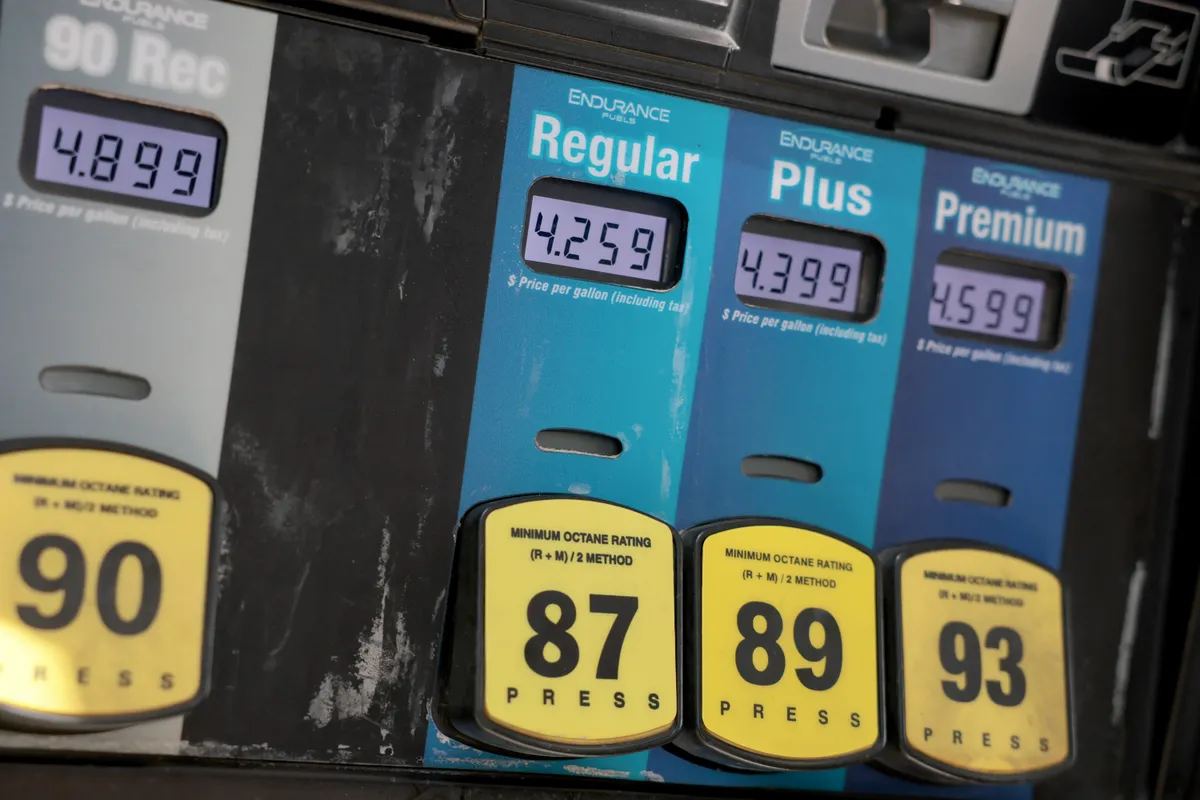
The increase marks a significant jump in the pace of price growth and represents the largest annual gain since mid-2024. Energy costs, particularly at the gasoline pump, were identified as the primary driver behind the surge.
Energy prices at the center of the increase
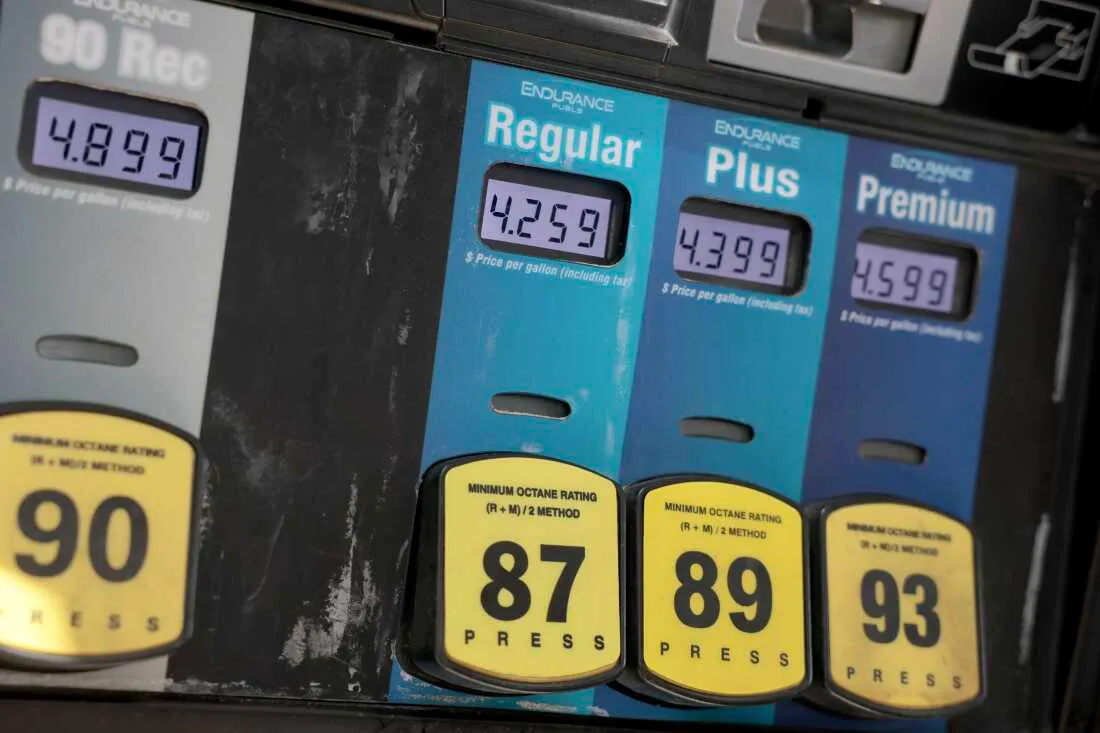
Higher gasoline prices tied to the ongoing war with Iran accounted for much of the inflationary pressure recorded in March, NPR reported. Conflict in and around a major oil-producing region has historically disrupted global energy supply chains and pushed crude prices higher, effects that quickly filter through to consumers at the pump.
The latest figures suggest that geopolitical instability is now having a measurable impact on everyday household costs in the United States, compounding economic pressures that had shown signs of easing in recent months.
What the data means for consumers and policymakers
A 3.3% annual inflation rate, while below the peak levels seen during the post-pandemic surge of 2022, represents a reversal of the downward trend that had characterized much of 2024 and early 2025. The renewed upward movement is likely to draw close attention from the Federal Reserve, which has been carefully monitoring price stability as it weighs future decisions on interest rates.
For American households, the increase translates directly into higher costs for commuting, transportation, and goods that depend on fuel for production and delivery. Lower-income families, who spend a proportionally larger share of their budgets on energy, tend to feel such increases most acutely.
Broader economic context
The March data arrives at a moment of considerable uncertainty in the global economy. Disruptions stemming from the Iran conflict have introduced volatility into oil markets, and analysts will be watching closely to determine whether the inflationary spike proves temporary or signals a more sustained period of elevated prices.
The full consumer price index report, as cited by NPR, offers a snapshot of an economy navigating the intersection of domestic monetary policy and international conflict - two forces that rarely move in predictable alignment.