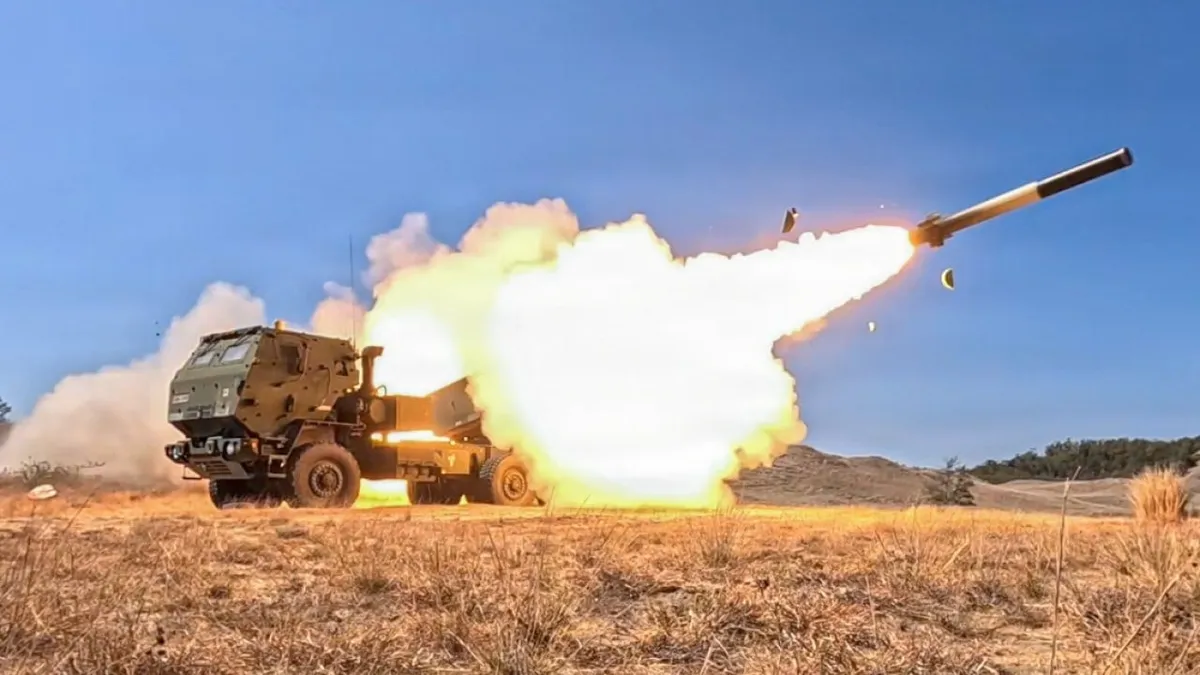
In news that surprised absolutely nobody, North Korea has once again lobbed multiple short-range ballistic missiles into the ocean, because nothing says 'we exist' quite like expensive fireworks aimed at international waters.
South Korea's military confirmed the latest launch, according to CBS News, describing it as yet another in a growing series of weapons demonstrations Pyongyang has treated the world to this year. The missiles were fired toward the sea - which, to be fair, is marginally better than the alternative.
The world's most predictable calendar event
At this point, a North Korean missile test feels less like a geopolitical crisis and more like a seasonal tradition - somewhere between a bank holiday and a particularly aggressive fireworks display. Kim Jong Un's regime has been ramping up its weapons demonstrations throughout the year, and this latest launch fits neatly into that pattern.

South Korean military officials confirmed the multiple short-range ballistic missile launches, making this one of several provocative demonstrations that defense analysts have been tracking with increasing attention in 2024.
Why short-range? Why now?
Short-range ballistic missiles - often abbreviated as SRBMs - are the regime's go-to tool for signaling displeasure, testing new technology, or simply reminding neighboring countries that North Korea is still very much on the map. They're cheaper than intercontinental ballistic missiles, harder to attribute as a direct threat to the United States, and just provocative enough to generate international headlines.
The timing of these tests often correlates with regional political events, military exercises by South Korea and the United States, or diplomatic stalemates. Analysts have consistently noted that Pyongyang uses missile launches as leverage - essentially a very loud, very expensive form of negotiation.

The eternal game of peninsula ping-pong
South Korea and its allies have condemned the launches, calling them violations of United Nations Security Council resolutions that prohibit North Korea from conducting ballistic missile tests of any range. The UN, for its part, has been saying this for years with the kind of authority that seems to not particularly intimidate Kim Jong Un.
For now, the missiles landed in the sea, no casualties have been reported, and the international community is doing its usual combination of strongly-worded statements and carefully measured concern. Business as usual on the Korean Peninsula.
CBS News originally reported the launch confirmation from South Korea's military.