For decades, the unspoken deal underpinning global commerce went something like this: the United States keeps the world's critical shipping lanes open, and everyone else gets to sleep soundly at night. That arrangement is now under some very uncomfortable scrutiny, according to a report from DW.
The Strait of Hormuz: a 33-kilometre headache
Iran's success in effectively blocking the Strait of Hormuz - the narrow waterway through which roughly 20% of the world's oil supply flows - has sparked a geopolitical debate that nobody in Washington particularly wanted to have. The question being asked in capitals from Brussels to Beijing is blunt: if the US couldn't keep that lane open, what exactly are we paying for?
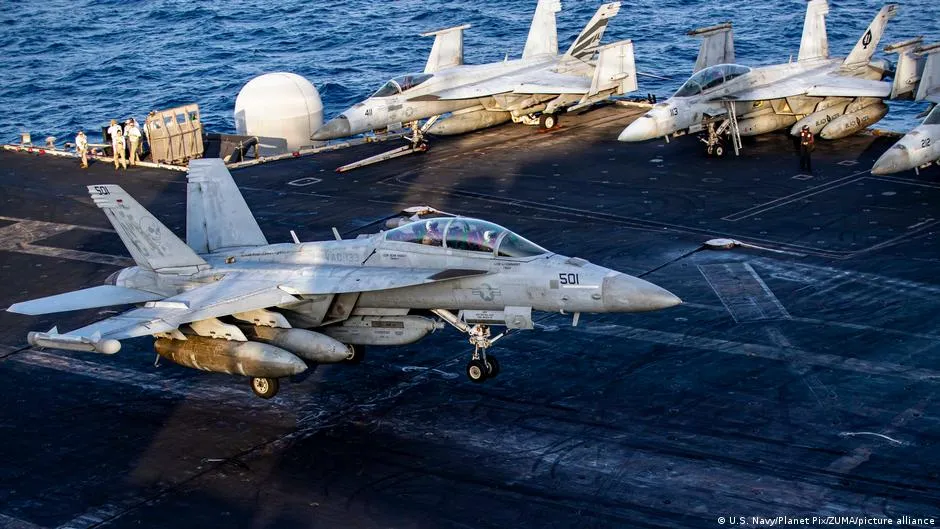
To be clear, American military supremacy remains essentially uncontested. No other country on Earth can project conventional military force across multiple oceans simultaneously. That part of the superpower equation hasn't changed. What has changed is the perception of America's willingness and ability to guarantee the uninterrupted flow of global trade - and in geopolitics, perception has a nasty habit of becoming reality.
The difference between "can" and "will"
Analysts cited by DW draw an important distinction here. The US almost certainly could force the Strait of Hormuz open through overwhelming military action. The stickier question is whether the political will, domestic appetite, and strategic clarity exist to do so consistently and at an acceptable cost. Iran appears to have found the gap between those two things and parked itself there.
This matters enormously for countries that have structured their entire energy security around the assumption that American naval dominance makes such disruptions impossible. Gulf states, Asian economies heavily dependent on Middle Eastern oil, and European nations watching energy prices spike are all quietly recalculating their assumptions.
The superpower math gets complicated
What Iran's move has exposed is that raw military capability and effective geopolitical deterrence are not the same thing. A superpower that technically wins every engagement but cannot prevent an adversary from disrupting global systems starts to look less like a guarantor and more like an expensive alarm system that goes off after the burglar has already left.
Whether this represents a genuine erosion of American superpower status or simply a particularly bad few months remains genuinely contested. But one thing DW's analysis makes clear is that the conversation itself - once considered almost absurd - is now being taken seriously by serious people. And that, perhaps more than the closed strait itself, is the real headline.