A ceasefire between Iran and Israel is officially in effect, with all three major parties - the United States, Israel, and Iran - confirming the halt in hostilities. However, according to Axios, the three governments are contradicting both each other and themselves on the specific terms of the agreement and its implications going forward.
The contradictions are expected to become a central challenge when negotiators meet Saturday in Islamabad, where diplomats will attempt to reconcile competing interpretations of what has actually been agreed.
Key sticking points
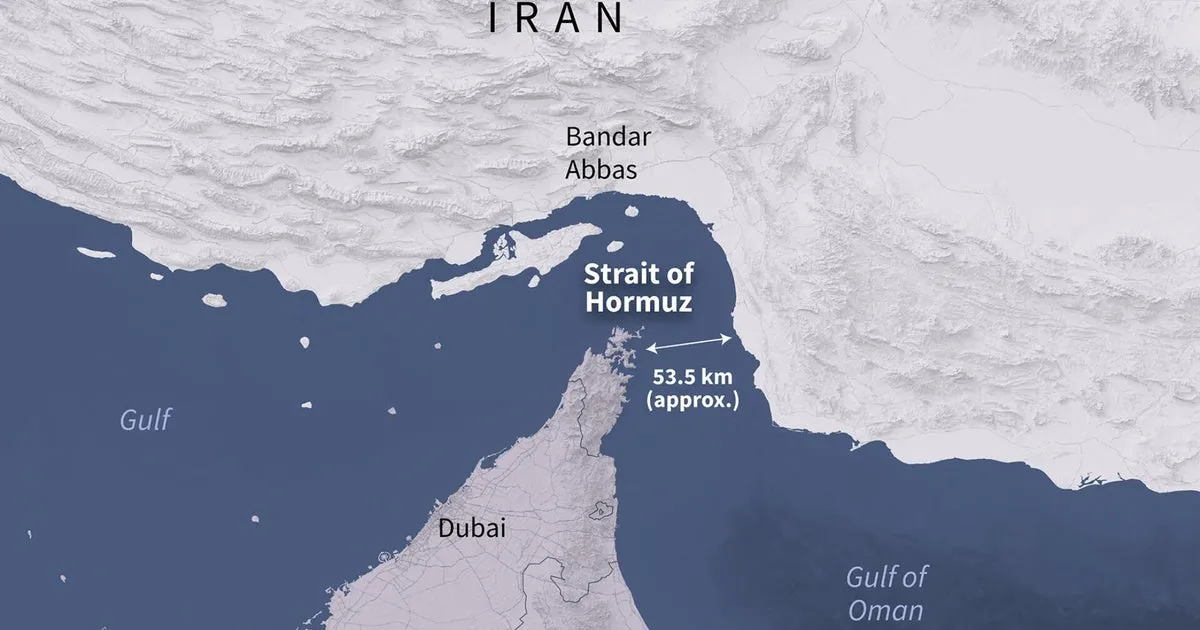
One of President Trump's primary stated conditions for a ceasefire was the reopening of the Strait of Hormuz, the critical waterway through which a significant portion of the world's oil supply passes. Whether that condition has been met - or under what terms - remains one of several unresolved questions hanging over the fragile agreement.
Despite the formal ceasefire declaration, no party has offered assurances that the conflict is definitively over. Officials from all sides have acknowledged the situation remains unstable and that the ceasefire could break down.
What happens next
Saturday's talks in Islamabad represent the first formal diplomatic effort to translate the ceasefire into a more durable arrangement. Negotiators will face the immediate task of aligning sharply different accounts of what each side believes it has committed to.
Such gaps between stated positions are not uncommon in hastily brokered ceasefires, but they carry significant risk. Without a shared understanding of the agreement's terms, any perceived violation - whether intentional or the result of misinterpretation - could reignite hostilities.
The Islamabad talks will be closely watched by regional governments and global energy markets, given the strategic importance of the Strait of Hormuz to international oil flows. A sustained closure or continued instability around the waterway has the potential to ripple through global commodity prices.
No timeline has been provided for how long negotiations are expected to last or when a more comprehensive agreement might be reached, according to the Axios report.