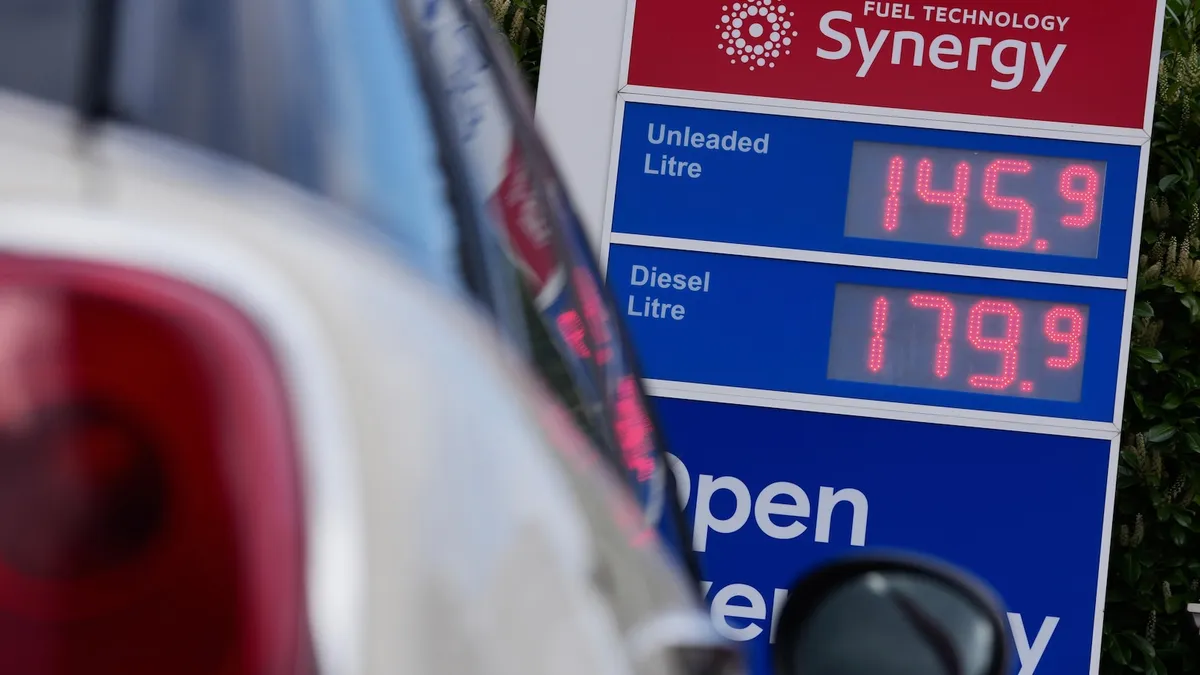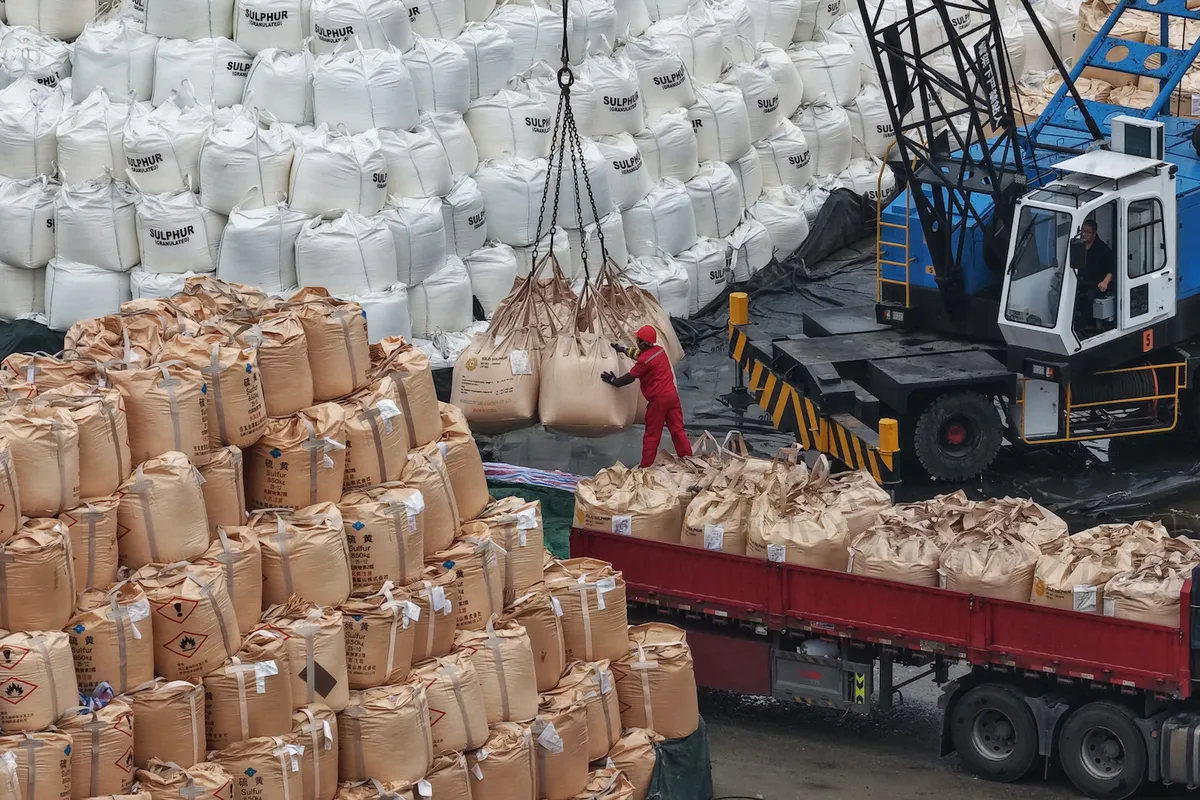
The ongoing conflict involving Iran is sending shockwaves through one of the world's most overlooked industrial supply chains: sulfur and sulfuric acid, a chemical so foundational to modern industry that it has long been called the "king of chemicals," according to a Foreign Policy report published Thursday.
Sulfuric acid is a critical input across a sweeping range of sectors, including fertilizer production, mining operations, and battery manufacturing. Disruptions to its supply can ripple outward quickly, affecting food production and commodity extraction on a global scale.
Why sulfur matters
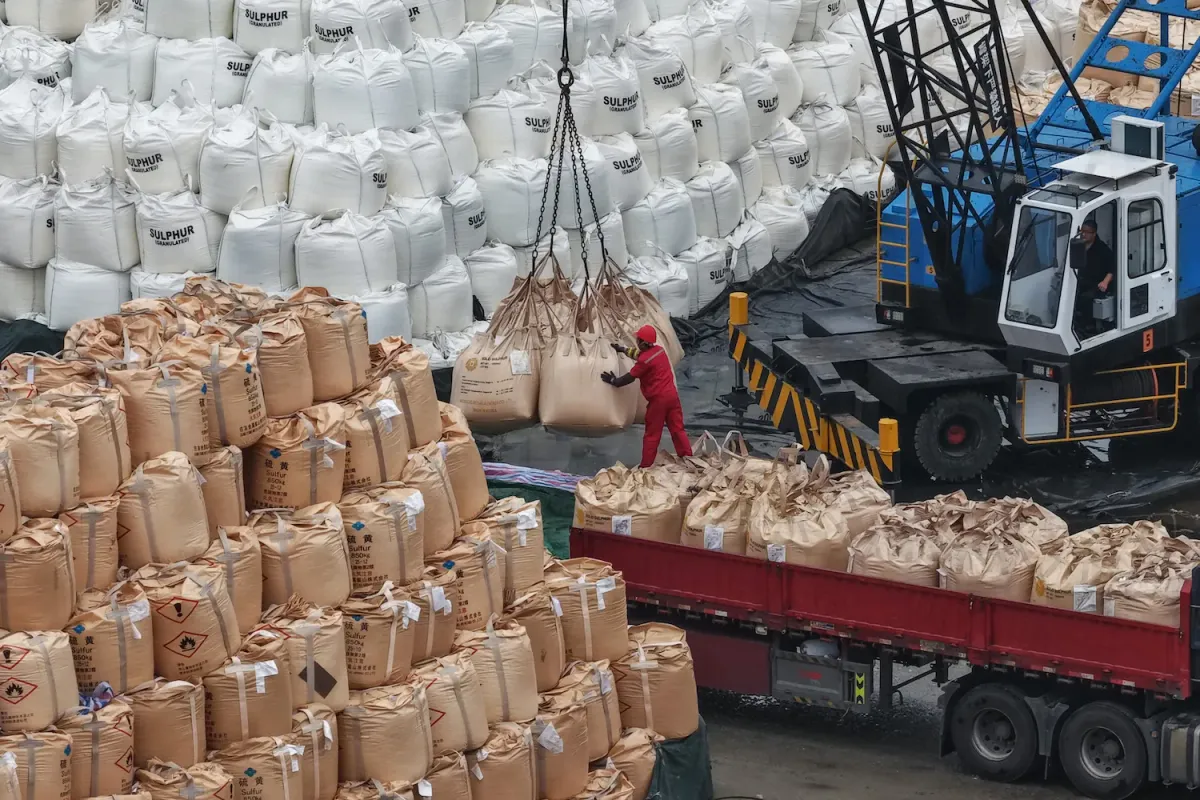
Sulfur is a byproduct of oil and gas refining, and Iran has historically been a significant source of the commodity. As conflict disrupts Iranian energy infrastructure and export capacity, the supply of raw sulfur available to global markets faces pressure.
Sulfuric acid, derived from sulfur, is the world's most widely produced industrial chemical by volume. Its primary use is in the production of phosphate fertilizers, which underpin global agriculture. Mining operations that process metals such as copper also depend heavily on the acid.

Any sustained reduction in sulfur supply can therefore translate into higher fertilizer prices, reduced agricultural output, and slower mining production - a chain of consequences that extends well beyond the chemical sector itself.
A fragile global market
The Foreign Policy report describes the sulfur market as obscure but deeply embedded in global economic infrastructure. Because the commodity receives little mainstream attention, disruptions can catch industries off guard and lead to sharp price swings before alternatives are secured.

Supply chains for industrial chemicals like sulfuric acid are often highly regionalized, with limited redundancy. When a major producing region faces instability, buyers have few immediate options for substitution.
The conflict's effect on Iranian oil and gas output is central to the concern. Sulfur is not produced independently but emerges as a byproduct of hydrocarbon processing. A decline in that processing, whether from infrastructure damage, sanctions enforcement, or market withdrawal, reduces sulfur availability as a direct consequence.
Broader implications
Analysts and industry observers are watching the situation closely, particularly given existing pressures on global food supply chains. Fertilizer markets have remained sensitive to geopolitical disruption since the war in Ukraine curtailed exports of key agricultural inputs from Russia and Belarus beginning in 2022.
A new constraint on sulfur-derived fertilizer production could compound those lingering vulnerabilities, particularly for lower-income countries that depend heavily on imported fertilizers to sustain agricultural output.
The situation underscores how conflicts in resource-rich regions can have cascading effects on industries and populations far removed from the immediate zone of hostilities.