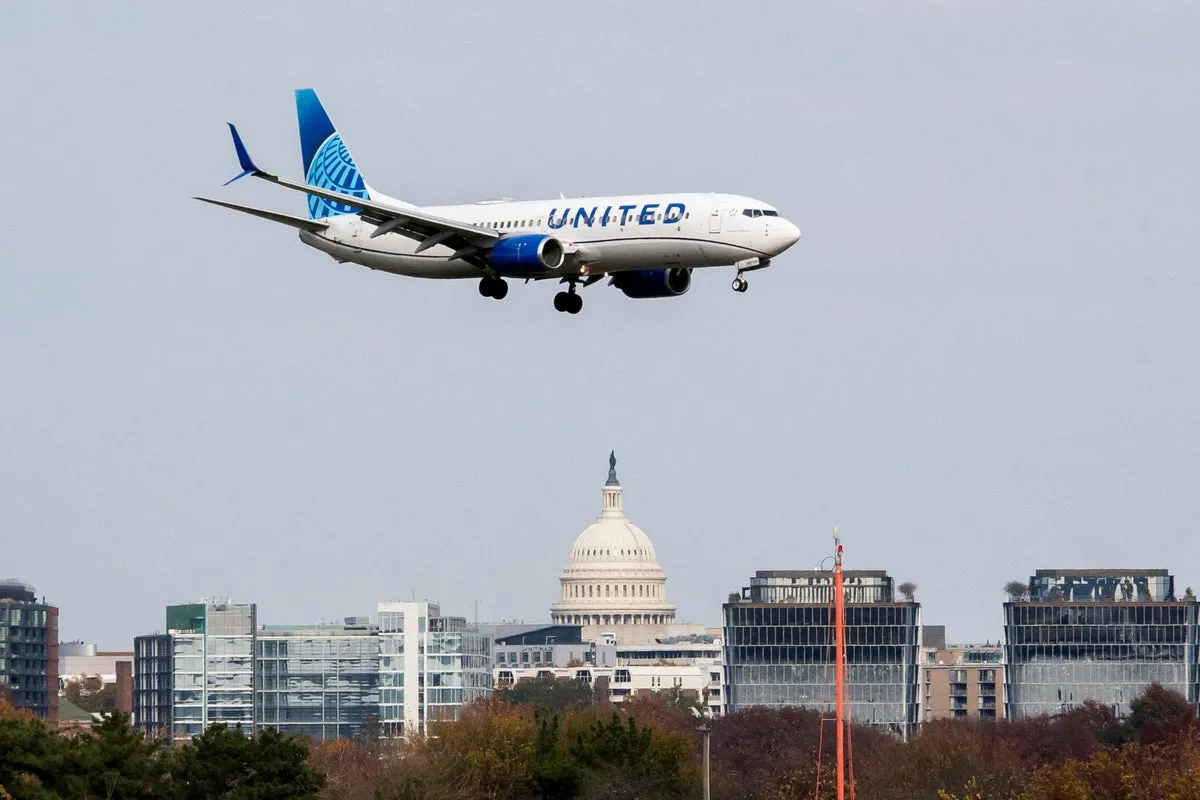
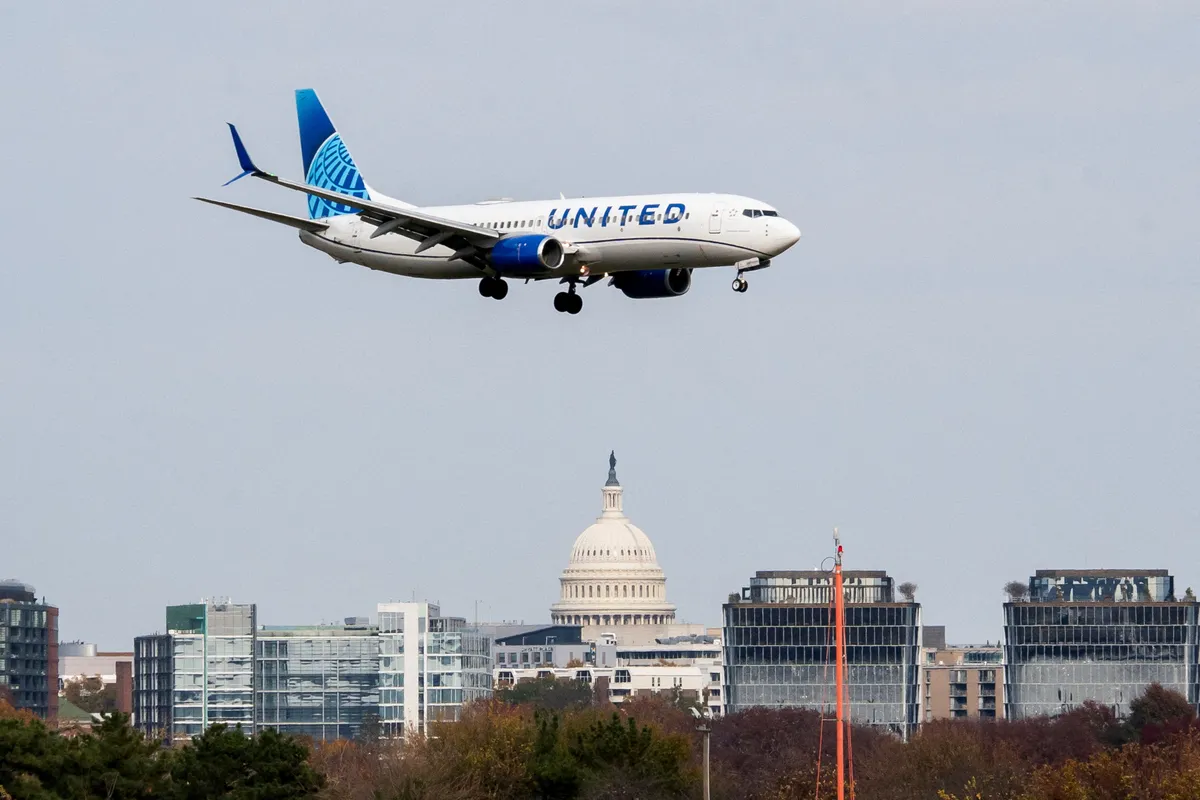
United Airlines is warning passengers that ticket prices could rise by as much as 20% as fuel costs climb sharply in the wake of escalating conflict involving Iran, according to reporting by The Independent.
United Airlines CEO Scott Kirby described the pace of rising fuel prices as faster than he can "ever remember" in his career, signaling that the airline industry is bracing for a prolonged period of elevated operating costs.
Fuel costs driving airline pressure
Jet fuel is one of the largest expenses for commercial airlines, and sustained increases in oil prices can rapidly erode profit margins. The current surge is being linked in part to geopolitical instability in the Middle East, where conflict involving Iran has introduced significant uncertainty into global energy markets.
United Airlines is among the major carriers most exposed to these fluctuations. The airline has not confirmed a specific fare increase figure, but the 20% figure cited in reporting from The Independent reflects the scale of adjustments being considered as the industry attempts to pass rising costs on to travelers.
Broader industry impact
United is not alone in facing these pressures. Airlines across the industry have been monitoring oil markets closely as tensions in the region have persisted. Fuel hedging strategies - where airlines lock in fuel prices in advance - can provide short-term protection, but prolonged price surges eventually work through those arrangements.
Higher fares would place additional financial strain on consumers who have already absorbed elevated travel costs in the years following the COVID-19 pandemic. The airline industry returned to strong demand after the pandemic, but cost pressures have remained a persistent challenge for carriers worldwide.
Geopolitical uncertainty adds complexity
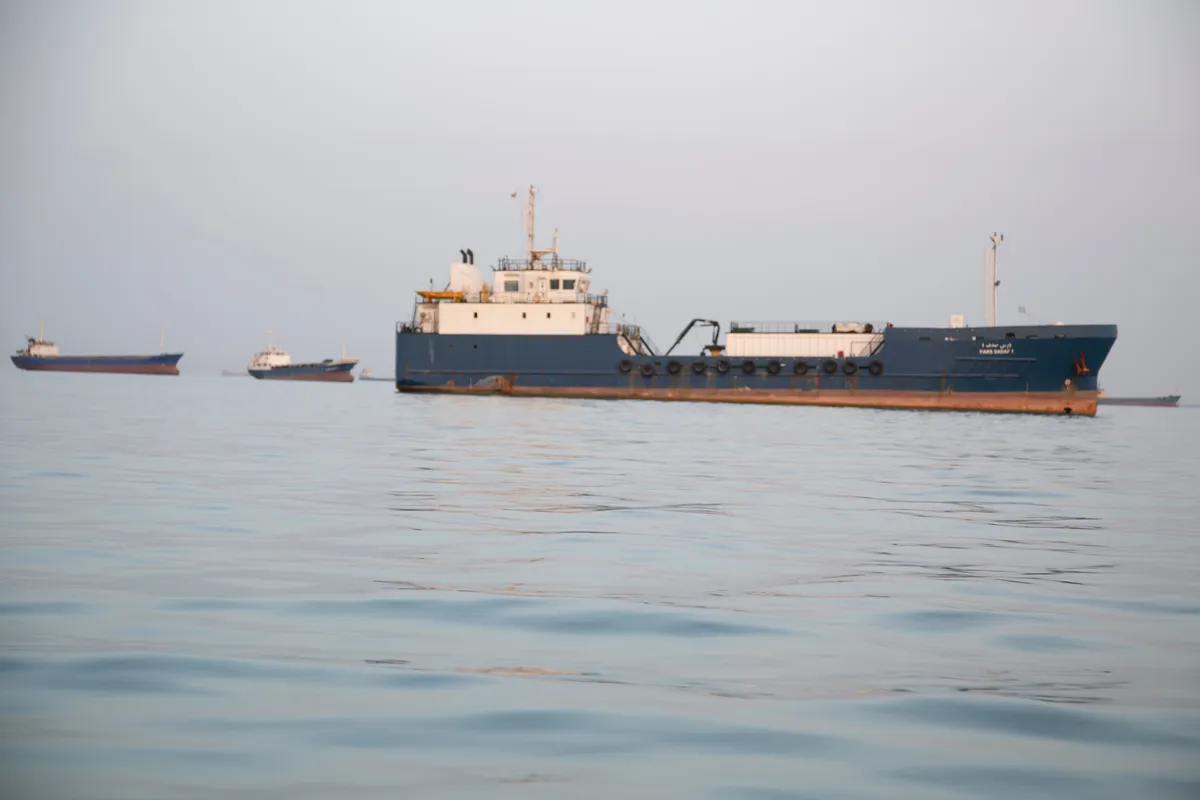
The conflict involving Iran has added a layer of unpredictability to energy markets that is difficult for airlines to plan around. Oil prices are sensitive to disruptions in the Middle East, a region that accounts for a significant share of global petroleum production and transit.
How long the current price environment persists will depend on the trajectory of the conflict and any diplomatic developments that might stabilize the region. In the near term, analysts and airline executives appear to be preparing for continued volatility.
United Airlines has not issued a formal statement outlining a specific pricing policy change, and fare adjustments would likely be implemented gradually across routes. Travelers booking upcoming flights may begin to see the effects in the coming weeks if fuel costs remain elevated.