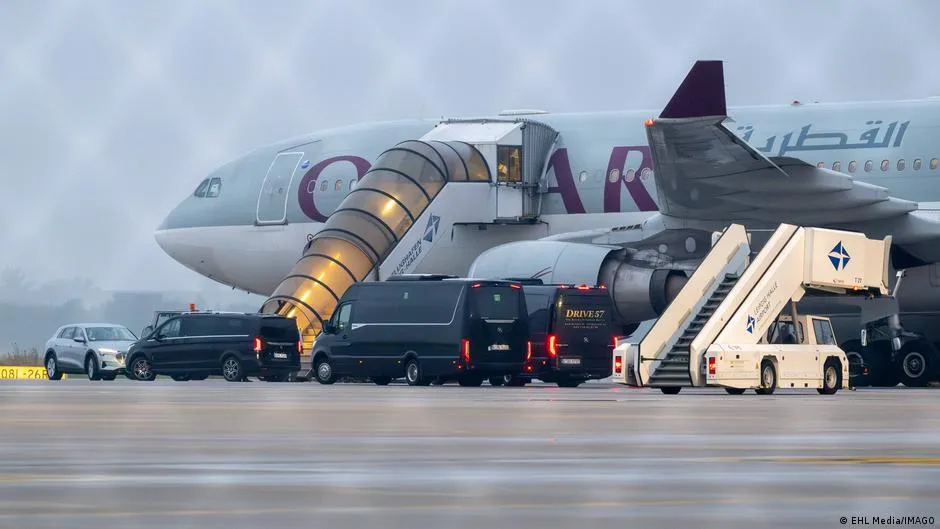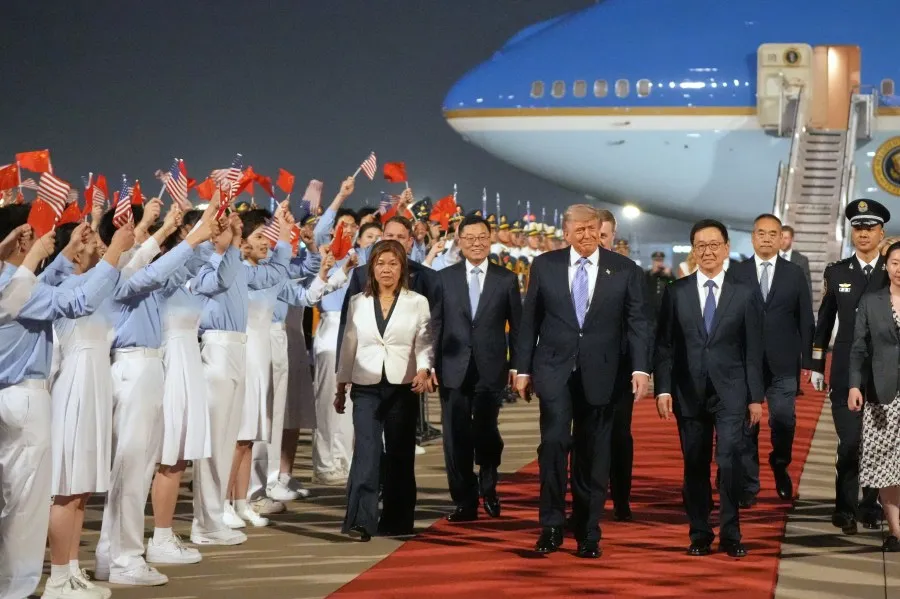
Nothing says diplomatic desperation quite like trying to wedge yourself into someone else's bilateral meeting. According to an opinion piece published by The Hill, Iran is allegedly angling to use the upcoming Trump-Xi summit as a backdoor to keep its asymmetrical war against the United States alive - with Beijing as the getaway driver.
So what's actually going on here?
The argument laid out in The Hill is that the Iranian regime, increasingly cornered by sanctions and regional setbacks, sees China as perhaps its last meaningful lever on the global stage. The idea, as the piece frames it, is that Tehran wants Beijing to carry water for Iranian interests during high-level U.S.-China talks - essentially hijacking the diplomatic agenda of a meeting it was very much not invited to.
Think of it like your roommate asking your landlord to bring up your grievances during a rent negotiation. Bold strategy. Historically messy.
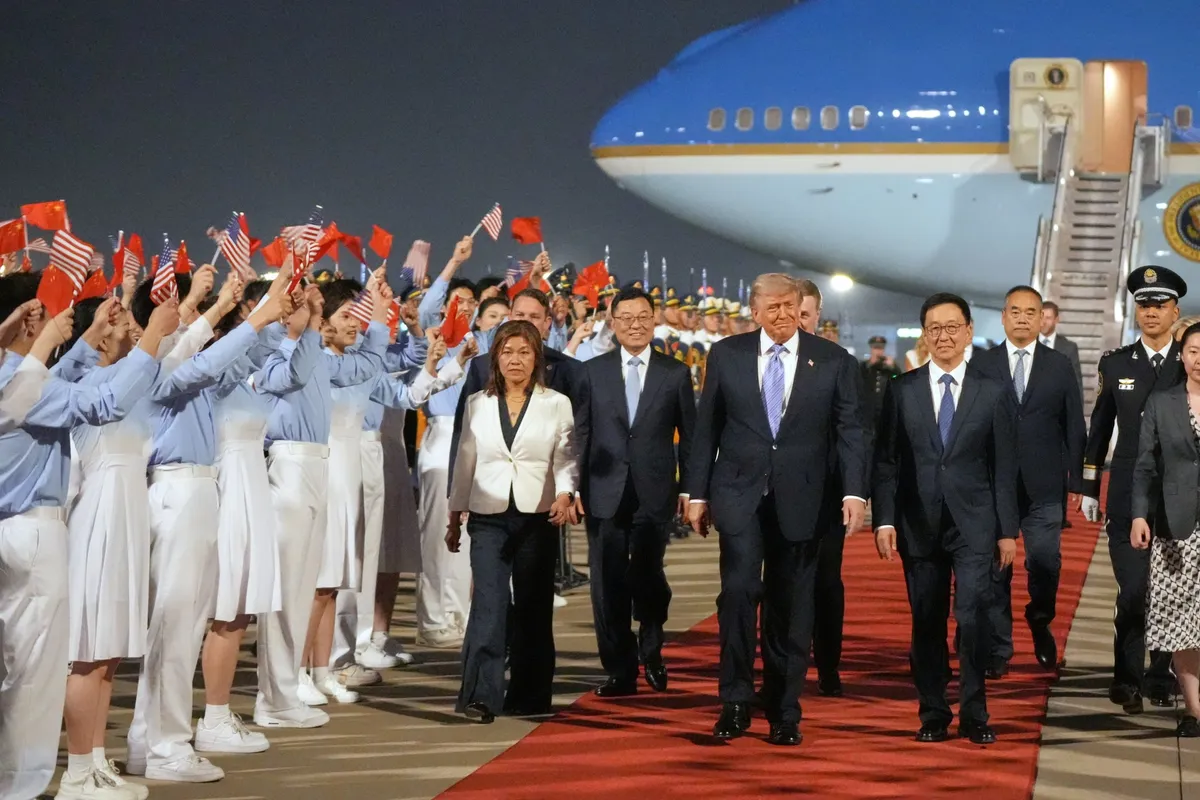
Why Beijing, why now?
China and Iran have been cozying up for years, most notably through a 25-year cooperation agreement signed in 2021 that covers trade, military cooperation, and investment. That relationship gives Tehran a rare lifeline to a major power willing to absorb some of the heat from Washington. From Iran's perspective, if there was ever a moment to lean on that relationship, a major Trump-Xi summit is it.
The Hill's analysis frames this as Iran's asymmetrical playbook in action - unable to match U.S. power directly, Tehran looks for pressure points, proxies, and diplomatic interference to stay relevant and protected.
Does this actually work?
That's the trillion-dollar question. China has its own complicated calculus here. Beijing wants a productive relationship with Washington badly enough - at least on trade - that openly championing Iranian interests during a summit with Trump could backfire spectacularly. Xi is unlikely to throw away economic leverage over Tehran's wish list.

Still, the concern raised in The Hill piece is that even indirect Iranian influence on the margins of U.S.-China diplomacy represents a real headache for American foreign policy planners. If Beijing softens its stance on sanctions enforcement or nudges conversations away from Iranian nuclear pressure, that's a win for Tehran without a single missile fired.
The bottom line
Iran reportedly betting on China to smuggle its interests into a Trump-Xi meeting is either a savvy geopolitical chess move or the foreign policy equivalent of hiding in the trunk - uncomfortable, risky, and likely to end badly. Either way, it is a reminder that major power summits rarely exist in a vacuum, and smaller actors are always watching for the moment to slip through the door.
This article draws on analysis published by The Hill. Claims about Iranian strategy represent opinion and analysis, not confirmed intelligence assessments.