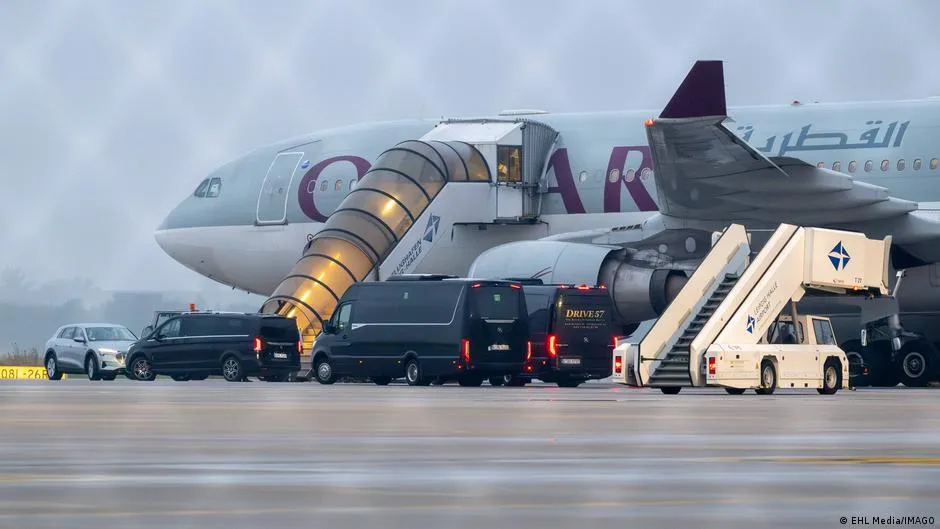
In a move that has raised more than a few eyebrows across the continent, the European Union has rolled out the (very awkward) diplomatic welcome mat for Taliban officials in Brussels, hosting talks centered on the thorny issue of returning failed Afghan asylum-seekers to Afghanistan. Belgium granted the officials temporary visas specifically for the meeting, according to Deutsche Welle.
So... the EU is talking to the Taliban now?
Essentially, yes. The meeting represents one of the highest-level contacts between the EU and the Taliban since the group seized control of Afghanistan back in August 2021 - a moment the world watched with stunned disbelief as decades of Western nation-building spectacularly collapsed over a single chaotic weekend.
The core issue driving the talks is a very practical, if deeply uncomfortable, one: what happens to Afghan nationals whose asylum applications are rejected in Europe? Currently, the answer is largely "nothing," because returning people to a Taliban-run Afghanistan requires some form of working relationship with... the Taliban. And that is precisely the diplomatic tightrope Brussels is now attempting to walk.
The logic is grimly pragmatic
European governments have faced mounting domestic pressure over migration numbers, and failed asylum-seekers who cannot be deported represent a significant political headache. Without any functional agreement with Kabul, removals are virtually impossible. So the bloc finds itself in the uncomfortable position of needing to engage with a government it does not formally recognize, run by a group whose human rights record - particularly toward women and girls - has drawn near-universal international condemnation.
It is the geopolitical equivalent of having to call your worst ex just because they still have your spare keys.
Not everyone is thrilled
Human rights organizations and several EU lawmakers have already pushed back on the optics of the engagement, arguing that any formal interaction risks lending the Taliban a degree of legitimacy they have not earned and arguably should not receive. The Taliban, for their part, have long sought international recognition and access to frozen Afghan state funds - making any high-profile meeting in a European capital a potential win for their diplomatic rehabilitation efforts.
The EU, to its credit, appears aware of this tension. Officials have been careful to frame the talks as strictly technical and transactional, not a broader normalization of relations.
The bottom line
Whether these talks lead to any workable returns agreement remains to be seen. But the very fact that Taliban officials are sitting in Brussels conference rooms in 2025 says a great deal about how the practical pressures of migration politics can bend - and occasionally snap - ideological red lines. Watch this space.