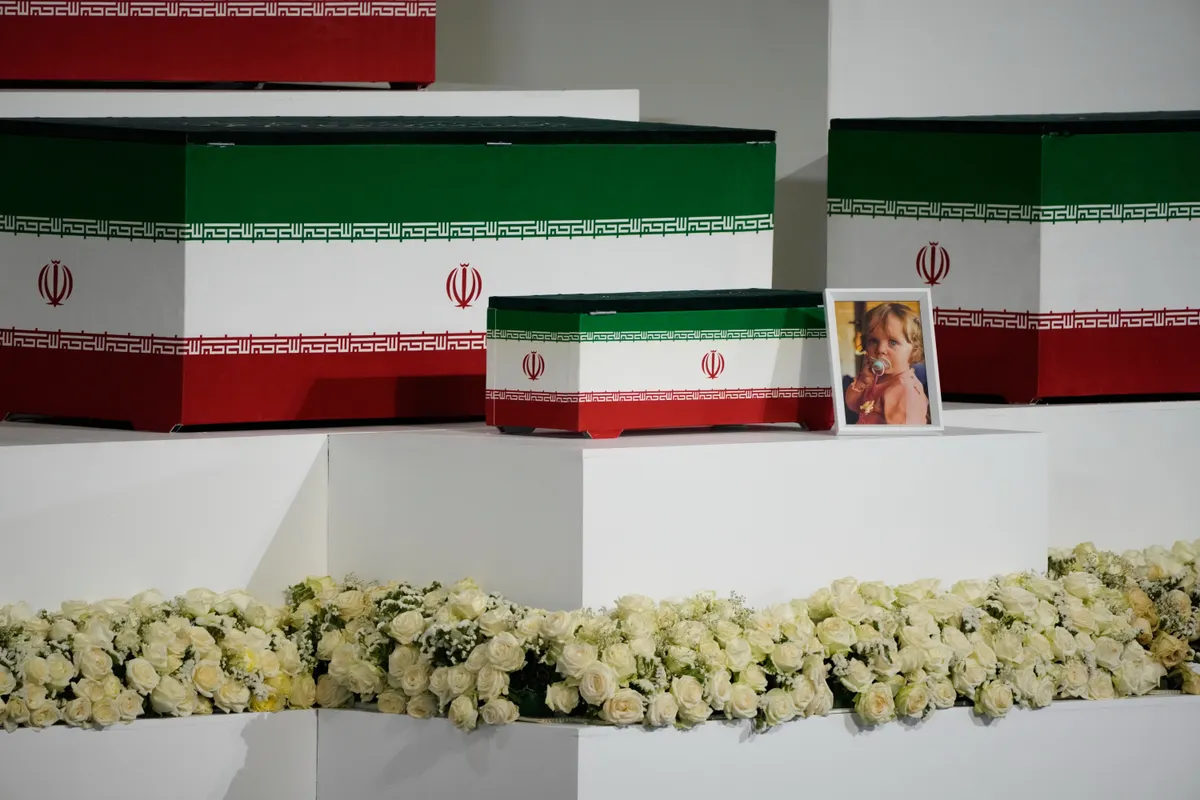
Iran is preparing what could be one of the most consequential public ceremonies in the Middle East in decades, with officials planning a dayslong funeral for Supreme Leader Ali Khamenei, who died following the country's recent military conflict. According to NPR, the procession is set to begin Saturday in Tehran, with the theocratic government hoping to draw massive crowds into the capital's streets.
Echoes of 1989
The regime is explicitly modeling the event after the burial of Ayatollah Ruhollah Khomeini in 1989 - the founding Supreme Leader whose funeral became one of the most chaotic and emotionally overwhelming mass gatherings in modern history. Millions attended that event, and the scenes of grief were so intense that Khomeini's body had to be airlifted by helicopter after crowds overwhelmed the procession on the ground. Iran's current leadership is apparently hoping lightning strikes twice.
Whether that kind of organic, spontaneous grief can be replicated - or manufactured - for Khamenei is a question that cuts right to the heart of the Islamic Republic's legitimacy in 2026. The country has spent years grappling with widespread protests, economic hardship under sanctions, and a population that, particularly among younger generations, has shown increasingly open skepticism toward the clerical establishment.
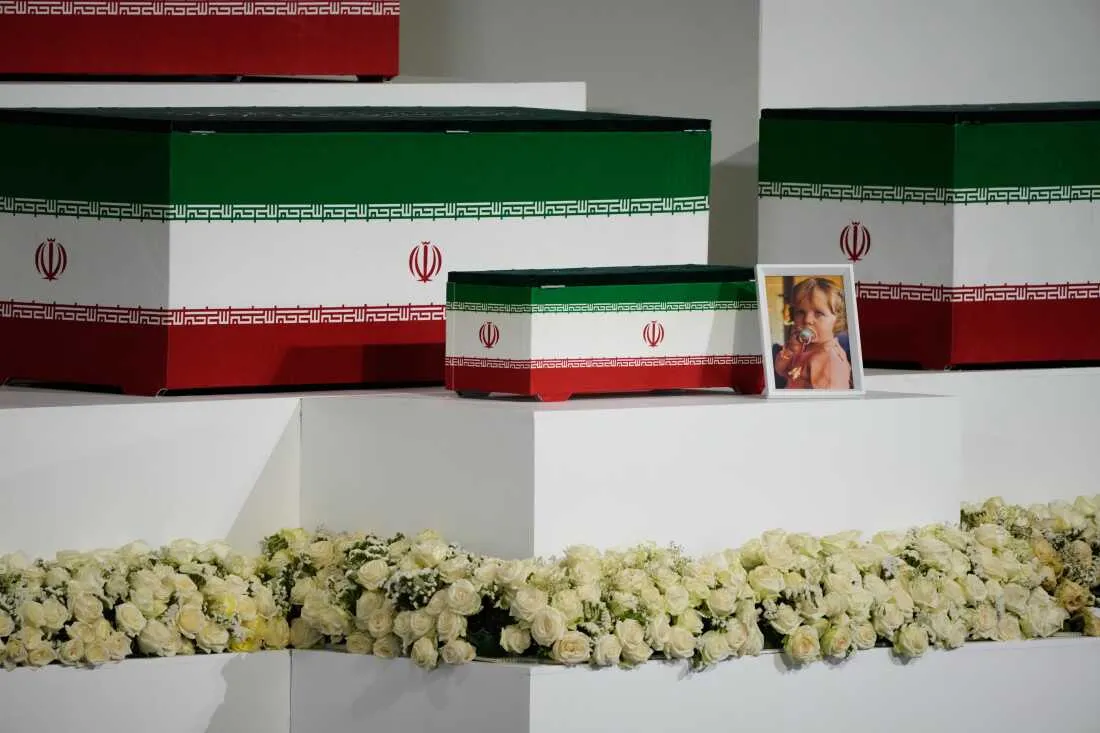
The politics of mourning
A massive turnout would serve as a powerful signal to both domestic audiences and the international community that the theocracy retains genuine popular support despite years of unrest. A thin crowd, on the other hand, would be an embarrassing and potentially destabilizing image for a government already navigating the aftermath of a war and the enormous challenge of a leadership transition.
The death of a Supreme Leader is not just a ceremonial moment - it triggers a succession process managed by the Assembly of Experts, the clerical body responsible for selecting Khamenei's replacement. That process will unfold in parallel with the public mourning rituals, meaning the next several days will be simultaneously a spectacle of grief and a high-stakes political negotiation happening largely behind closed doors.
What comes next
The Islamic Republic has only ever had two Supreme Leaders in its entire history. Transitioning to a third, in the middle of a post-war period with a restless population, is genuinely uncharted territory for the regime. The funeral is as much about projecting continuity and strength as it is about honoring a dead cleric.
The world will be watching the crowd sizes very, very closely.