In what might be the geopolitical equivalent of finding a receipt in your partner's pocket, German prosecutors have formally charged a Ukrainian national in connection with the 2022 Nord Stream pipeline explosions - and Ukraine is very loudly insisting it had absolutely nothing to do with it, according to the BBC.
So what actually happened?
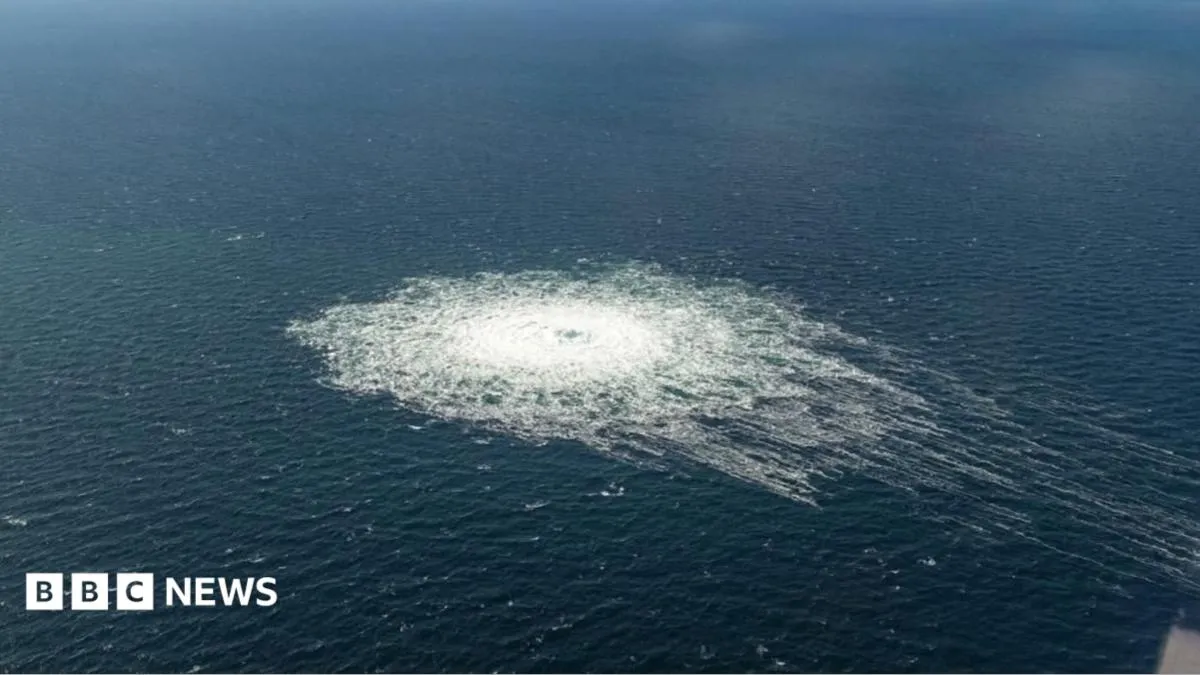
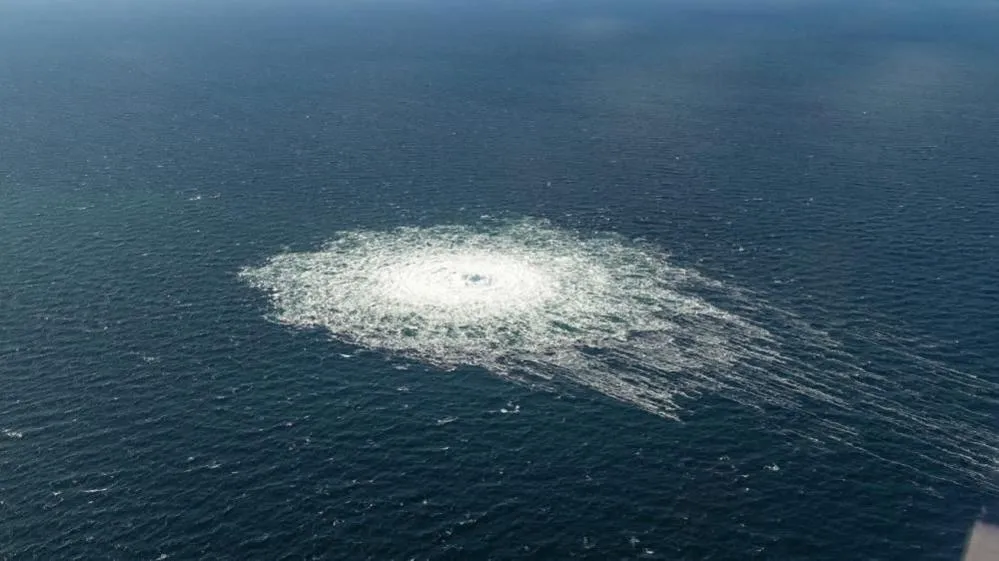
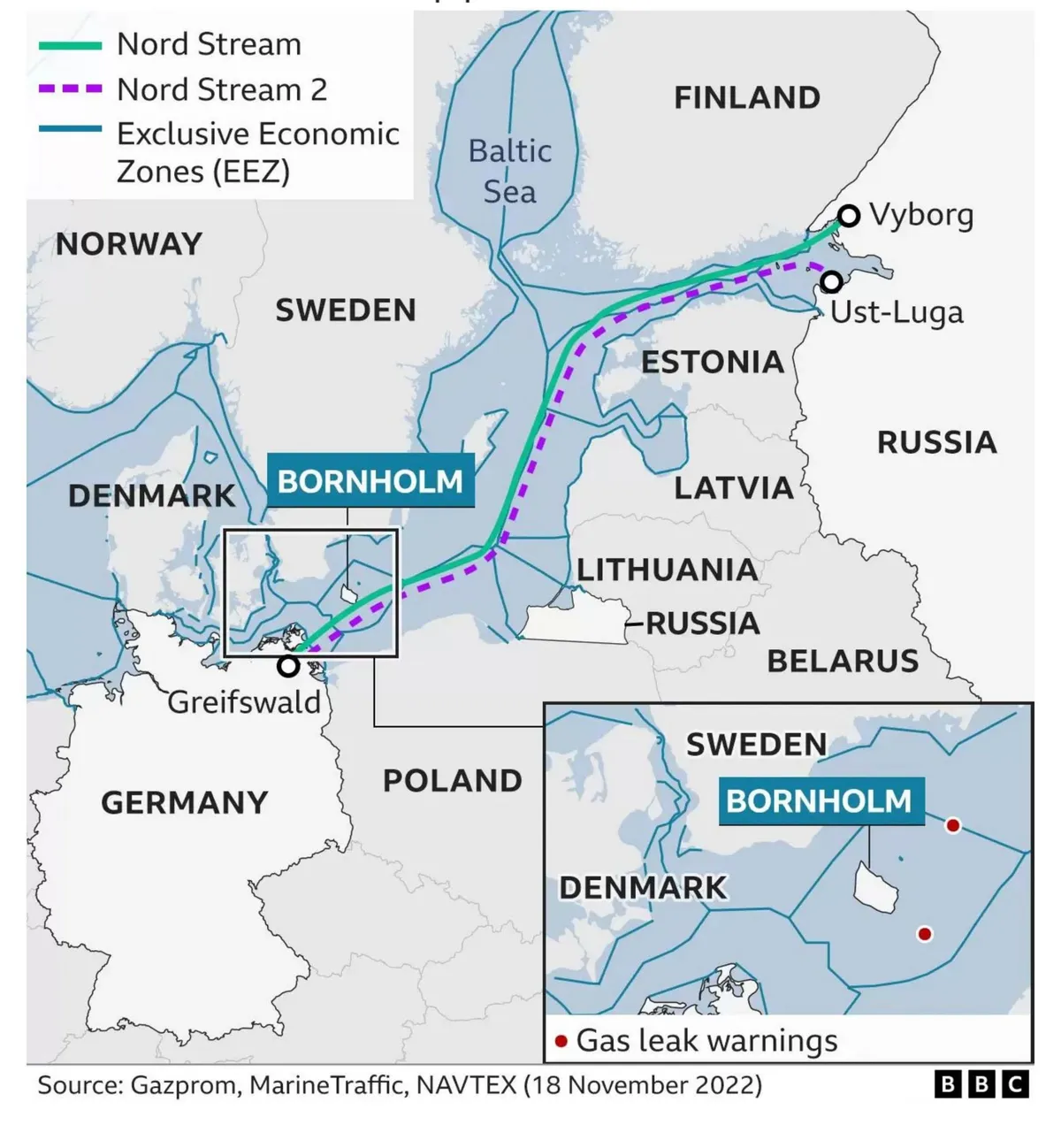
The Nord Stream pipelines, which carried Russian natural gas to Europe under the Baltic Sea, were spectacularly blown up in September 2022 in what was one of the most audacious acts of infrastructure sabotage in modern history. Billions of dollars worth of pipeline - gone. The explosions sent shockwaves through global energy markets and triggered a years-long whodunit that has involved fingers pointed at Russia, Ukraine, mysterious 'pro-Ukrainian groups', and at one point, reportedly, a yacht.
Now, German federal prosecutors have taken the significant step of formally charging a Ukrainian suspect. The BBC reports this is a major development in an investigation that has dragged on for over two years and produced very few concrete results - until now.
Ukraine is not happy about this
Kyiv has flatly denied any institutional involvement, and the timing is genuinely painful. Ukraine depends enormously on German political and financial support for its ongoing war effort against Russia. Having a German court formally charge one of your nationals over an act of sabotage on European soil - even if it was sabotage against Russian infrastructure - is the kind of thing that makes diplomatic dinners very uncomfortable.
The case raises serious questions about the future of German-Ukrainian relations. Germany has already been navigating domestic political pressure over the scale of its support for Ukraine. This development hands critics a very shiny new argument.
The bigger picture
It is worth remembering that the full story of Nord Stream's destruction remains genuinely murky. Multiple investigations - German, Swedish, and Danish - have been running in parallel, with Sweden actually dropping its probe earlier this year citing jurisdictional issues. Various theories have been floated over the years, ranging from Russian self-sabotage to covert Western operations, none of them fully confirmed.
What the formal German charge does do, however, is move the needle from speculation toward legal accountability - at least in one country's courtroom. Whether the suspect is extradited, whether Ukraine cooperates, and what the trial might reveal are all questions that could reshape the narrative around one of the most explosive (literally) mysteries of the decade.
For now, Berlin has a charge. Kyiv has a denial. And the rest of Europe has a very interesting legal proceeding to watch.