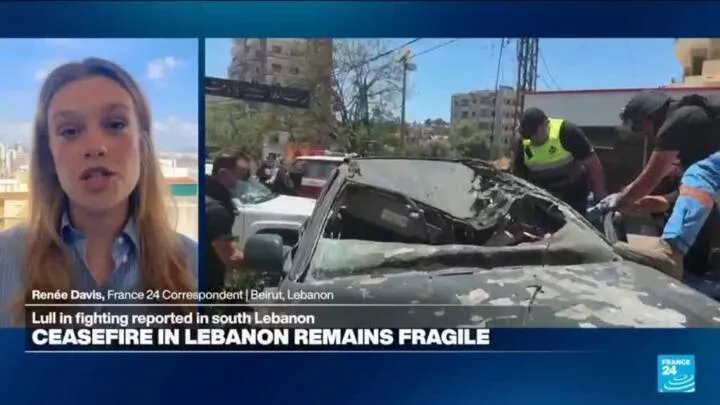
In what might be the most awkward diplomatic situation since someone forgot to send the calendar invite, the Iranian delegation had not yet departed for scheduled peace talks with the United States in Islamabad as of Tuesday - even as US Vice President JD Vance was reportedly already en route to Pakistan, according to reporting by France24.
Iranian state TV confirmed the delay, noting that Tehran had not yet greenlit its delegation's departure for the negotiations. Which is a polite way of saying: the Americans booked the venue, ordered the snacks, and Iran still hasn't RSVPed.
So what is actually going on here?
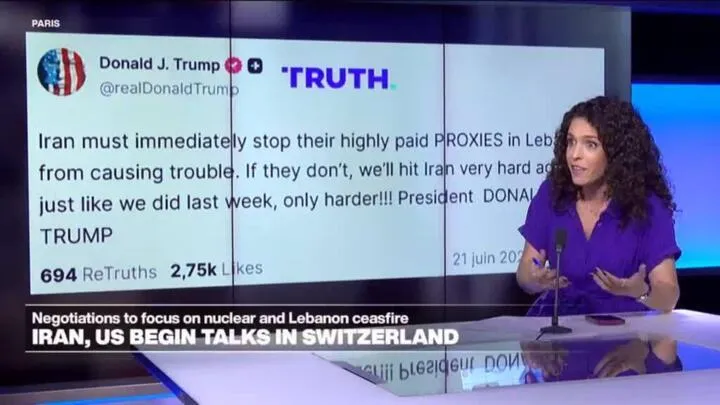
France24 International Affairs editor Philip Turle weighed in on the situation, offering context on why these talks - already fragile by nature - are teetering on the edge before they've even technically started. The Islamabad venue was presumably chosen as neutral ground, with Pakistan playing host to one of the most consequential potential diplomatic encounters in years.
At stake is the long-running standoff over Iran's nuclear program, which has kept Western governments in a near-permanent state of anxiety since, well, roughly forever. The US and Iran have not exactly been pen pals since the 1979 Islamic Revolution, so any direct engagement is treated as either a historic breakthrough or an elaborate waste of frequent flyer miles, depending on who you ask.
The art of the maybe
Iran's hesitation is not entirely surprising. Negotiations between Washington and Tehran have a long history of collapsing spectacularly, stalling indefinitely, or producing agreements that one side later bins entirely - see: the 2015 JCPOA, which the Trump administration withdrew from in 2018. Given that JD Vance is a member of that same political tradition, Tehran's caution about climbing aboard this particular diplomatic flight is... understandable.
Still, the fact that talks were even scheduled represents a notable development. Whether Iran's delegation eventually boards a plane to Islamabad or quietly cancels with a vague excuse about "scheduling conflicts" remains to be seen.
What happens next?
If both sides do sit down together, the agenda is expected to center on Iran's nuclear activities and the possibility of sanctions relief. If they don't, the fallout could further inflame an already volatile regional situation, with tensions in the Middle East already running dangerously high.
For now, Vance is reportedly flying toward a meeting that may or may not happen, which, come to think of it, is a solid metaphor for US-Iran diplomacy as a whole.
Source: France24, reporting by Philip Turle, International Affairs editor.